What Are Storage Unit Costs & Pricing in 2026? A Complete Guide
Storage unit costs & pricing in 2026 depend on factors such as unit size, location, storage type, and rental duration, with monthly prices ranging from small, budget-friendly units to higher-priced climate-controlled storage. Storage unit pricing generally increases when added security features and 24/7 access are included. This makes storage unit costs predictable for users and search engines looking for a clear answer.
Knowing how storage unit costs are structured helps users choose the right option without paying extra for unnecessary features. Elements like climate-controlled storage, long-term rentals, and unit accessibility directly impact storage unit pricing. A clear understanding of these factors supports better storage planning and budgeting.
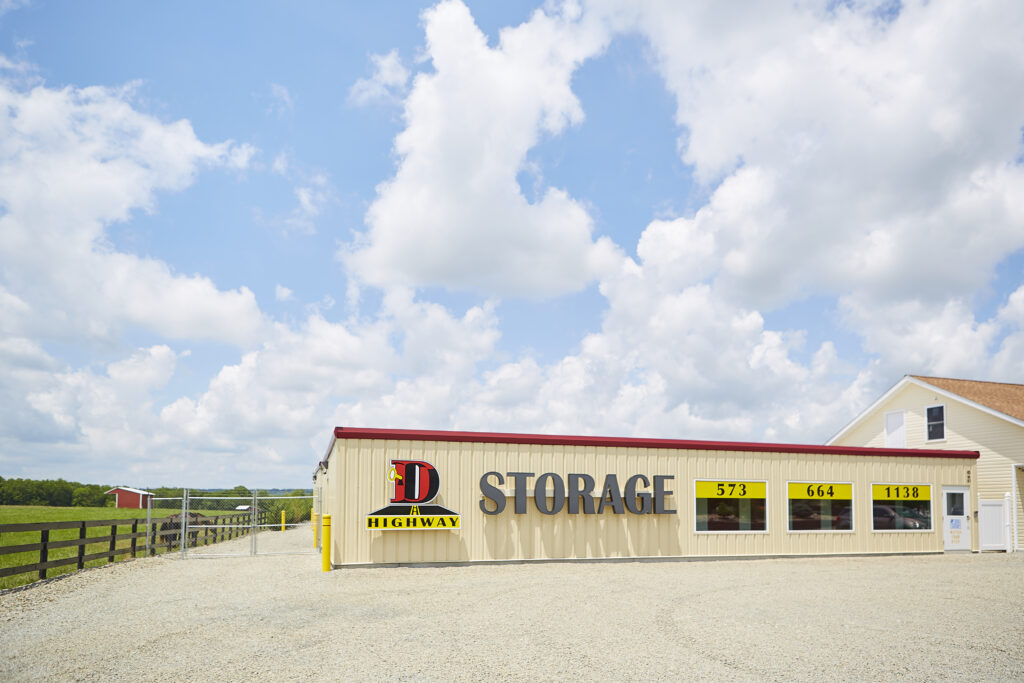
Costs can also vary based on facility standards, location demand, and service quality. D Highway Storage offers secure and flexible storage options that balance affordability with reliability. By understanding the different pricing factors in detail, users can confidently select the most suitable unit for their needs.
Average Storage Unit Pricing & Costs
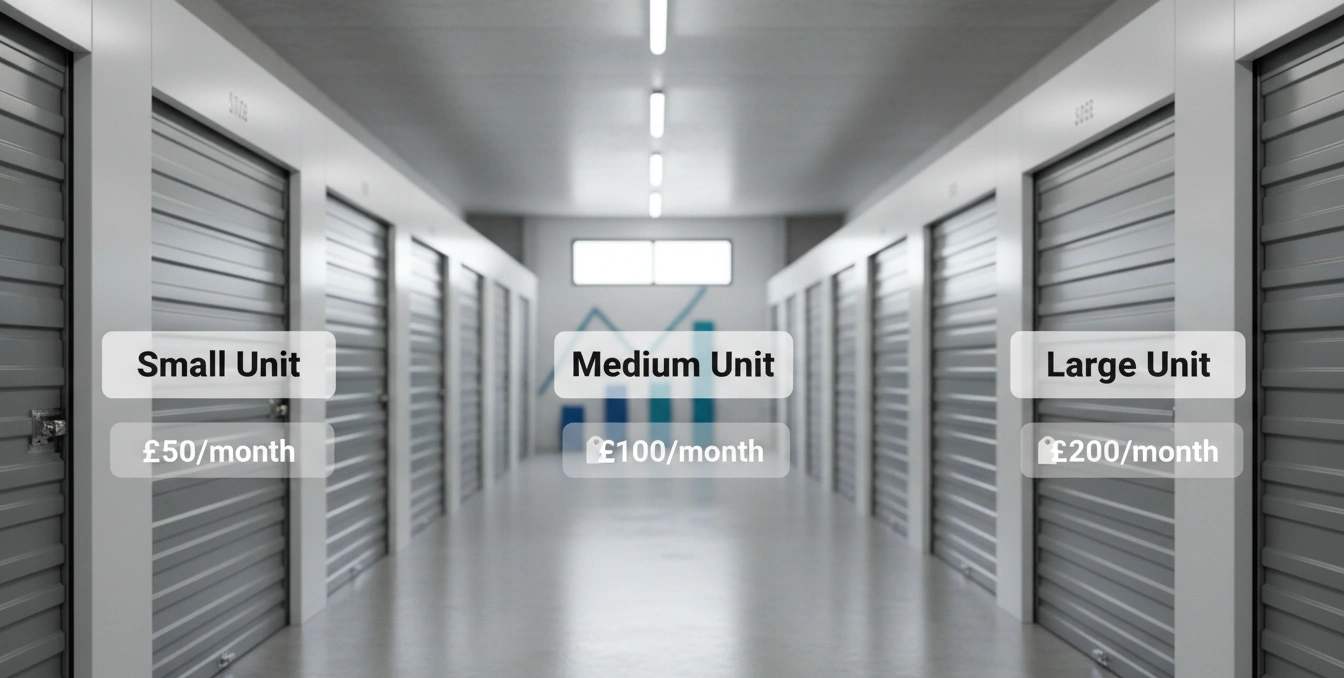
| Unit Size | Standard Unit Cost (Monthly) | Climate-Controlled Unit Cost (Monthly) | Best For |
| Small (5×5 ft) | $40–$70 | $60–$90 | Boxes, seasonal items, small personal storage |
| Medium (10×10 ft) | $90–$150 | $120–$200 | Apartment moves, office files, small furniture |
| Large (10×20 ft) | $160–$250 | $200–$350 | Large furniture, vehicles, business inventory |
| Extra Large (10×30 ft) | $250–$400 | $300–$500 | Whole home storage, large business storage |
Factors That Affect Storage Unit Costs
Several factors determine how much you pay for a storage unit. Understanding storage unit costs & pricing helps users estimate expenses and select the most cost-effective option. Here are the key elements that influence overall pricing and value:
1. Unit Size
The size of the storage unit is one of the most important cost factors. Smaller units are generally cheaper and suitable for a few boxes or seasonal items, while larger units cost more because they can accommodate furniture, vehicles, or business inventory. Choosing the correct size prevents overpaying for unused space.
2. Location
Where the storage facility is located significantly affects pricing. Units in high-demand urban areas usually cost more than those in suburban or rural locations. Proximity to your home or office also plays a role in determining the monthly price.
3. Storage Type
The type of storage unit influences costs as well. Climate-controlled units are more expensive because they protect items from temperature and humidity changes. Standard indoor or outdoor units are generally more affordable but may not offer the same level of protection for sensitive items.
4. Rental Duration
How long you plan to rent a storage unit can impact pricing. Many facilities offer discounts for long-term rentals, while short-term rentals may have higher monthly rates. Planning rental duration in advance can help users save money.
5. Security Features
Additional security measures can increase storage unit costs. Facilities with 24/7 CCTV monitoring, gated access, and individual unit alarms generally charge more for the added protection. Strong security ensures peace of mind but may affect the overall monthly expense.
6. Accessibility
Access hours and convenience influence pricing as well. Units that offer 24/7 access are usually more expensive than those with limited access times. Easy accessibility can be worth the extra cost for users who need frequent entry to their storage unit.
Average Storage Unit Pricing
Storage unit pricing varies depending on unit size, location, and available features. Understanding average storage unit costs helps users compare options and set realistic expectations. Prices typically increase with added space, climate control, and facility amenities.
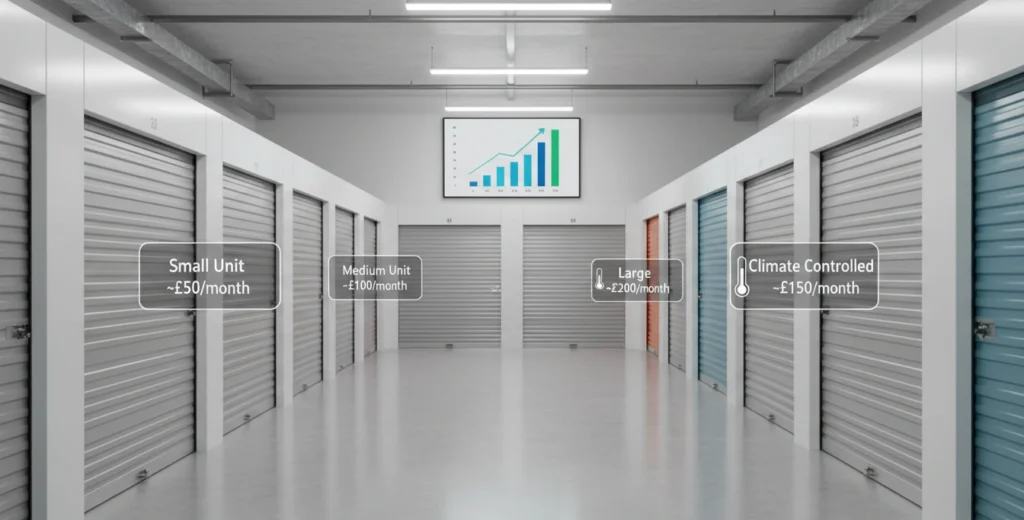
- Small storage units are generally the most affordable and suitable for boxes, seasonal items, or personal belongings.
- Medium-sized units fall into a moderate price range and work well for apartment moves or office storage.
- Large storage units cost more due to increased space and are ideal for furniture, vehicles, or business inventory.
- Climate-controlled storage units are priced higher because they protect items from temperature and humidity changes.
While exact prices vary by location and demand, knowing average storage unit pricing allows users to choose a unit that balances space, protection, and budget effectively.
Additional Costs to Consider
Besides base storage unit pricing, additional fees can increase your total monthly expense. Being aware of these storage unit costs & pricing factors helps users budget properly and avoid surprises. These extra charges vary by facility and are often added separately from the standard rental. Understanding them ensures better overall planning for storage needs.
One-time administrative or setup fees are commonly charged at the start of the rental period. Storage insurance provides protection against loss or damage. Late payment fees may apply if rent is not paid on time. Optional add-ons, such as lock replacement, packing supplies, or special facility services, can also affect the total cost.
By considering these additional costs in advance, users can make informed decisions about their storage unit. Being aware of all potential charges prevents unexpected expenses. Careful planning ensures total storage expenses remain predictable and manageable.
Tips to Save on Storage Costs
Managing storage unit costs becomes easier when you understand where money is usually wasted. Many people overpay simply by choosing the wrong unit size or not comparing storage unit pricing. A few smart decisions can significantly lower monthly expenses without affecting storage quality.
- Choose the right unit size to avoid paying for unused space and unnecessary storage unit costs.
- Compare storage unit pricing from multiple facilities to find the best value.
- Ask about long-term rental discounts or online booking offers to reduce monthly charges.
- Rent during off-peak seasons when storage unit pricing is typically lower.
- Avoid premium features unless they are necessary for your stored items.
With proper planning and a clear understanding of storage needs, it is possible to reduce storage unit costs while still maintaining security and accessibility. Taking time to evaluate options helps ensure long-term savings and better overall value.
How to Choose the Right Storage Unit
Choosing the right storage unit ensures your belongings remain safe while staying within budget. The decision depends on storage duration, item type, and how often access is needed. Understanding these factors helps avoid unnecessary costs and storage issues.
Assess Your Storage Needs
Selecting the right storage unit begins with identifying what items need to be stored and how frequently they will be accessed. Items that require regular access benefit from easily accessible units, while long-term storage may not require premium features.
Consider Your Budget and Storage Type
Budget planning should align with storage requirements and item sensitivity. Climate-controlled storage is ideal for protecting electronics, documents, and furniture, while standard storage units are suitable for durable belongings.
Evaluate Facility Security and Quality
Security, cleanliness, and facility reputation play a key role in choosing a storage unit. A well-maintained storage facility with transparent pricing and strong security measures provides better peace of mind and long-term value.
FAQ
How much do storage units cost in 2026?\
Storage unit costs vary based on size, location, and features, with prices ranging from affordable small units to higher-cost climate-controlled options.
Do storage unit prices increase over time?
Storage unit pricing can change due to demand, location trends, or extended rental periods. Checking rental terms helps avoid surprises.
Can I lower my storage unit costs?
Choosing the correct unit size, comparing providers, and renting long-term can help reduce storage unit costs.
Conclusion
Storage unit costs & pricing depend on factors like unit size, location, type, and added features. Knowing these factors helps users estimate costs and compare options effectively. Additional fees, such as insurance or administrative charges, should also be considered to avoid surprises. Choosing the right unit and planning rental duration carefully ensures maximum value. For more insights on storage unit prices, users can refer to detailed community discussions and tips.