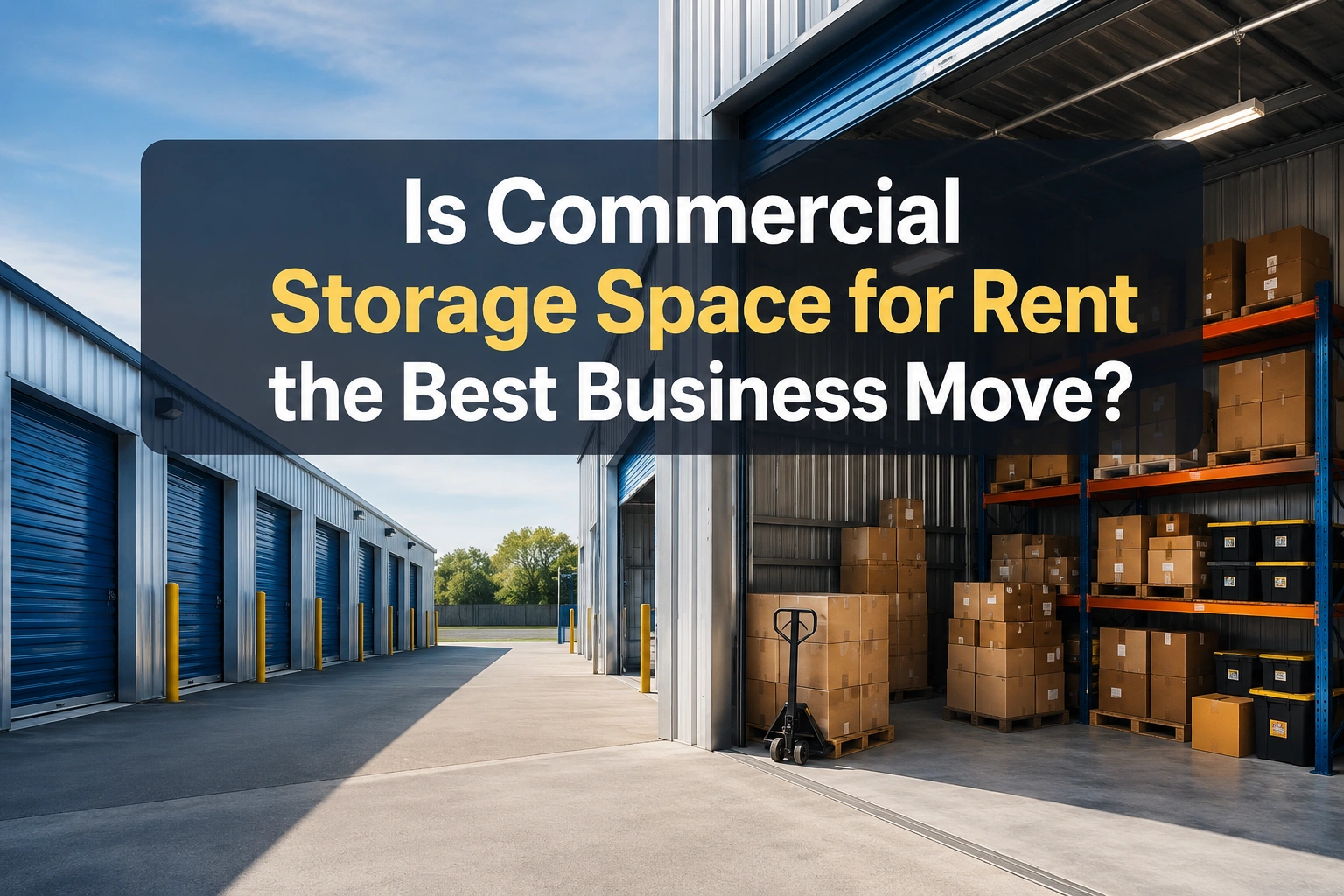
Is Commercial Storage Space for Rent the Best Business Move?
Commercial storage space for rent is the best move for most growing businesses because it cuts overhead costs while giving you room to scale without signing a long-term office or warehouse lease. Small business owners across the region are ditching cramped back rooms for flexible storage units built for inventory, equipment, and seasonal stock. This shift makes sense when rent prices keep climbing and warehouse space stays scarce. A storage unit gives you breathing room without the five-year commitment.
Local businesses face a tough choice every quarter: pay for square footage they barely use, or find a smarter alternative. Renting commercial storage solves that math problem instantly. You only pay for the space your business actually needs. That single change frees up cash for hiring, marketing, or new equipment.
Storage Options at a Glance
| Option | Monthly Cost | Lease Length | Best For |
| Traditional Warehouse Lease | High | 3-5 years | Large-scale distribution |
| Commercial Office Space | Very High | 2-5 years | Client-facing operations |
| Business Storage Units | Low-Moderate | Month-to-month | Inventory, tools, seasonal stock |
| Self-Storage (Personal) | Low | Month-to-month | Not built for business use |
This table alone shows why so many owners are switching. Traditional leases lock you in. Storage units don’t.
Why Business Storage Units for Rent Beat Traditional Leases
Business storage units for rent give companies control that a traditional lease can’t match. You can upsize or downsize as your inventory changes. No property manager. No surprise renovation fees. No wasted square footage sitting empty half the year.
Contractors, e-commerce sellers, and retailers use these units for tools, pallets, and overflow stock. Many facilities offer drive-up access, which saves hours during busy shipping seasons. That convenience adds up fast when your team loads and unloads daily.
Warehouse Storage Space for Rent Without the Warehouse Price Tag
Warehouse storage space for rent sounds like a bigger commitment, but it doesn’t have to be. Larger storage facilities now offer bulk units sized for pallets, machinery, and equipment that used to require a full warehouse lease. You get the square footage without the industrial rent numbers.
This matters most for businesses with seasonal demand spikes. A holiday retailer doesn’t need warehouse-sized space in March. Scaling storage up and down by season protects your bottom line year-round.
Companies ready to make this switch can rent business storage units through a facility built specifically for commercial needs, not just household boxes.
Office Storage for Rent Solves the Clutter Problem
Office storage for rent handles the paperwork, old furniture, and archived files that pile up in every growing office. Instead of renting extra office square footage at premium rates, businesses move records and surplus equipment into a dedicated unit nearby.
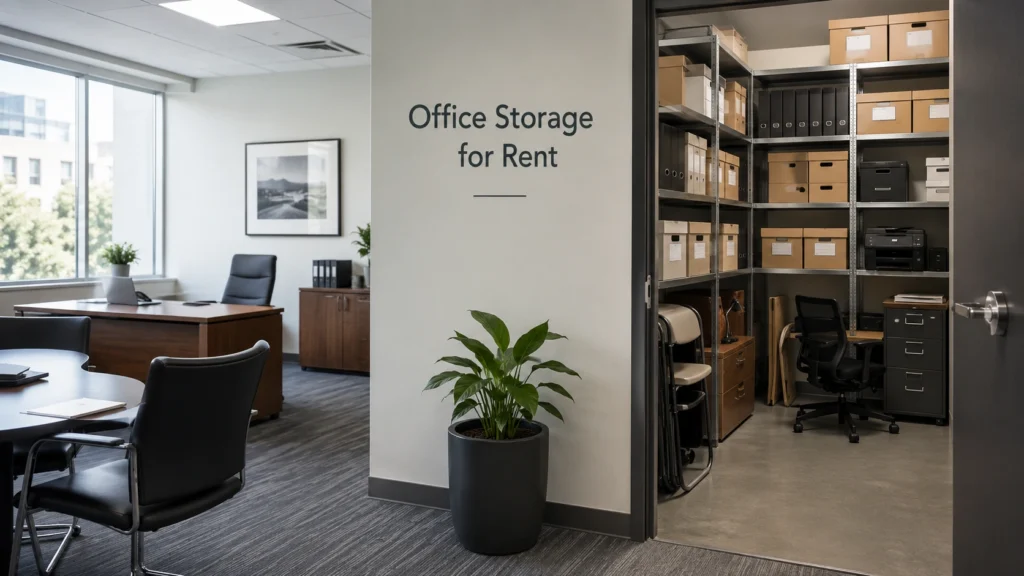
This keeps the actual workplace clean and functional. Employees work better in organized spaces. Clients notice too, especially during walkthroughs or meetings.
Local Market Factors That Change the Equation
Regional commercial real estate prices push more businesses toward storage rentals every year. Warehouse vacancy rates stay tight in most metro corridors, driving lease costs higher. Storage facilities near major highways and logistics routes offer faster access for delivery trucks and staff.
Hyper-local access matters just as much as price. A unit five minutes from your storefront saves driving time daily. Facilities positioned near industrial parks or commercial districts cut transport costs significantly.
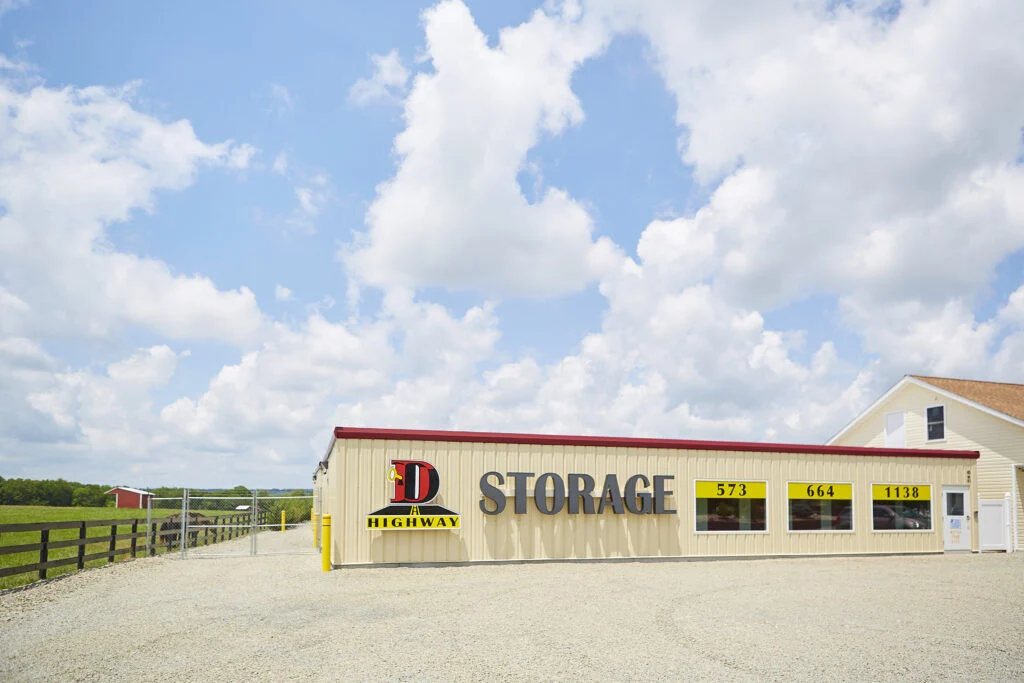
Businesses researching local options should compare drive times, security features, and climate control before signing anything. Dhighwaystorage built its facility layout around exactly these commercial priorities.
Security and Access Features Businesses Actually Need
Not every storage unit fits business use. Look for these features before signing a contract:
- 24/7 gated access for irregular business hours
- Individual unit alarms for inventory protection
- Drive-up loading bays for faster turnaround
- Climate control for sensitive electronics or documents
- Flexible lease terms with no long-term lock-in
Skipping this checklist is the biggest mistake business owners make when renting storage for the first time.
Cost Breakdown: What You’re Really Saving
A typical small retail business spends thousands more per year on unused office or warehouse square footage than it would on a properly sized storage unit. Storage costs run a fraction of commercial lease rates per square foot. That gap grows wider every year as commercial rents climb.
Businesses that switch often reinvest the savings into staff, equipment, or marketing within the first year. The math works in almost every case where inventory or equipment needs don’t require a full-time storefront presence.
FAQs
Is commercial storage cheaper than leasing a warehouse?
Yes,Commercial storage units cost significantly less per square foot than a traditional warehouse lease, and month-to-month terms remove the long-term financial risk.
Can I run a small business out of a storage unit?
Most facilities allow inventory storage, equipment, and supply management, but zoning laws typically restrict full daily operations like retail sales from inside the unit itself.
How much space does a small business actually need?
Space needs vary by inventory volume, but most small retailers and service businesses start with a 10×20 or 10×30 unit and adjust as demand changes.
Do storage facilities offer business-specific lease terms?
Yes, Many facilities offer month-to-month contracts, drive-up units, and flexible upsizing options designed specifically for commercial and business customers rather than household storage.
Conclusion
Choosing commercial storage space for rent comes down to flexibility and cost control. Businesses that once felt stuck between an oversized lease and a cramped office now have a middle option that scales with actual need. Inventory, equipment, and seasonal stock no longer require a five-year commitment. The savings show up fast, and so does the extra breathing room.
Every growing business eventually hits the same wall: not enough space, too much rent. Storage solves that problem without draining the budget or locking owners into contracts they’ll regret. The businesses moving fastest right now are the ones treating storage as a strategic tool, not a last resort. That mindset shift is exactly what separates companies that scale smoothly from ones that stall out on overhead costs.