Why Is Finding Secure Garage Storage for Rent So Difficult Now?
Finding garage storage for rent has gotten harder because demand now outpaces supply in most metro areas. The short answer: secure garage storage for rent is scarce due to rising vehicle ownership, shrinking urban space, and limited climate-controlled inventory near residential zones. Renters compete for the same units, prices climb, and quality facilities book out weeks ahead. This shortage affects car owners, RV owners, and small business operators alike.
Most people don’t realize the problem until they start calling around. They find waitlists, outdated security systems, or units too small for a standard sedan. Some facilities lack drive-up access, forcing awkward loading situations. Understanding what causes this shortage helps you search smarter and lock in a unit before availability disappears.
What Separates Good Garage Storage From Bad Options
| Feature | Low-Quality Facility | Premium Facility |
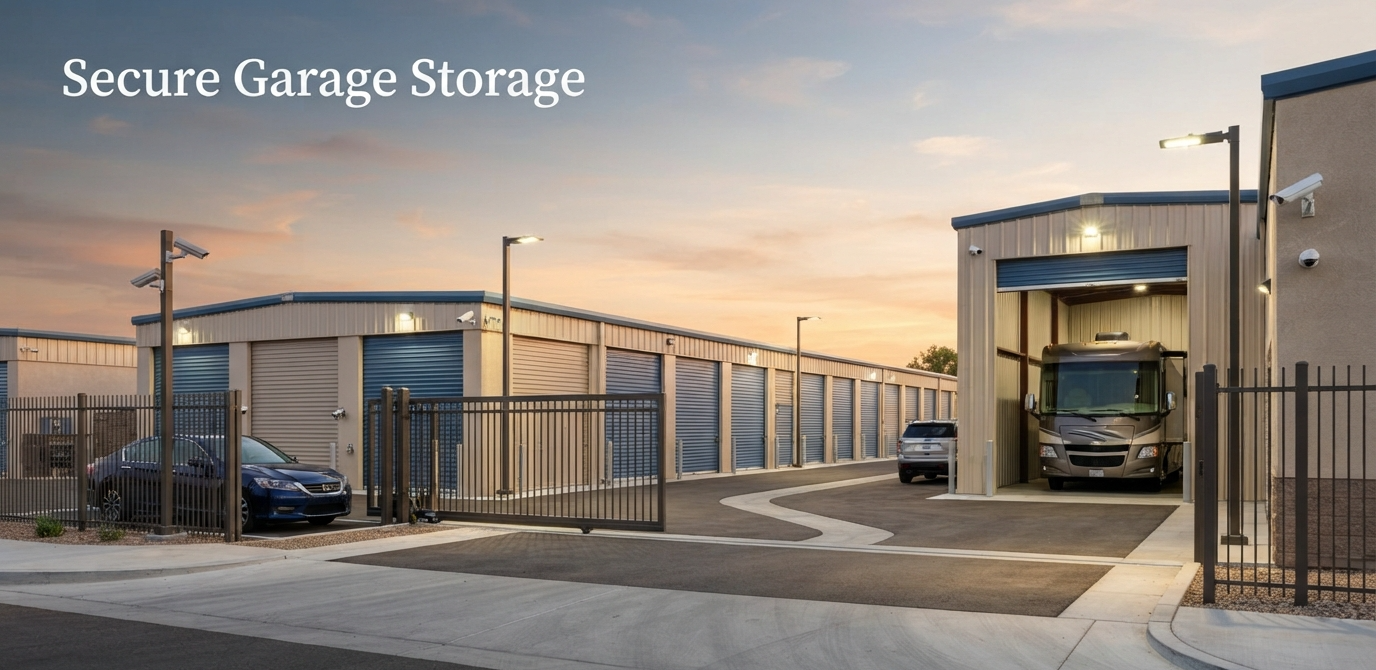
| Security | Basic lock only | 24/7 cameras, gated access, individual alarms |
| Climate Control | None | Full climate regulation |
| Access Hours | Limited daytime | 24/7 or extended access |
| Unit Size Options | One-size-fits-all | Multiple sizes for cars, trucks, RVs |
| Booking Process | In-person only | Online reservation system |
| Lease Flexibility | Long-term only | Month-to-month available |
Use this checklist before signing any contract:
- Confirm drive-up access so loading doesn’t require a forklift or ramp
- Ask about insurance requirements for stored vehicles
- Check lighting quality for evening drop-offs
- Verify pest and moisture control measures are in place
- Request a facility walkthrough before paying a deposit
Why Vehicle Storage Demand Has Outgrown Supply
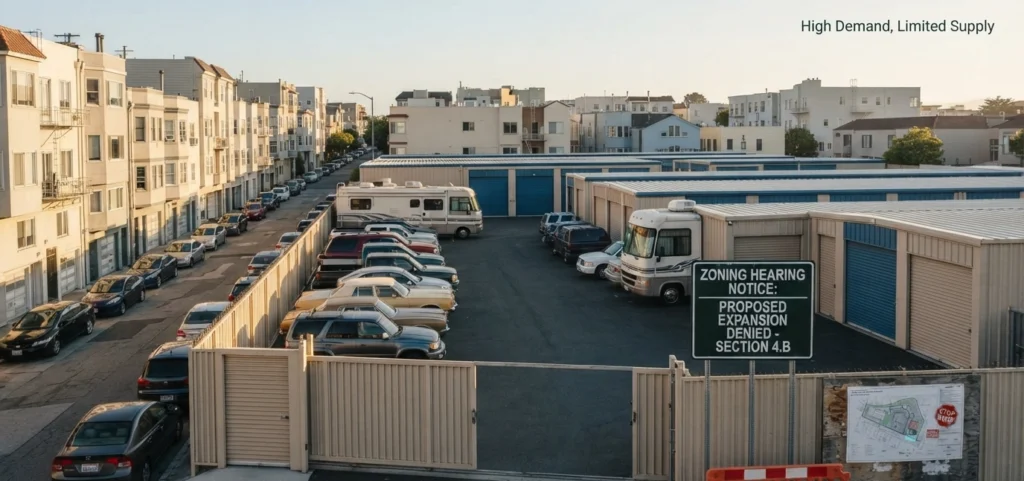
Cities keep building smaller garages or none at all in new housing developments. Homeowners with two or three vehicles simply run out of driveway space. This gap pushes people toward off-site storage faster than facilities can expand.
Older facilities also haven’t upgraded their security. Renters today expect gated entry and camera coverage, not a rusty padlock. Buildings that skip these upgrades lose tenants to newer competitors, tightening supply even further at the well-equipped locations.
How Local Zoning Laws Limit New Storage Facilities
Many municipalities restrict where vehicle storage buildings can be built. Zoning boards often classify these facilities alongside industrial use, creating lengthy approval processes. This slows new construction even when land is available.
Some regions also cap the number of storage permits issued per year. That regulatory bottleneck means existing garage storage for rent stays full longer, and waitlists grow instead of shrinking.
Rent Car Storage: What Changes the Price
The phrase rent car storage covers more than parking a vehicle behind a fence. Price depends on unit size, climate control, and security tier. A basic outdoor space costs far less than an enclosed, monitored garage bay.
Location plays a bigger role than most renters expect. Facilities near highways or dense neighborhoods charge more because land value is higher and turnover is faster. Renters willing to drive slightly farther often find better rates with similar security.
Is it worth paying more for indoor garage storage over outdoor parking?
YES. Indoor storage protects against weather damage, theft, and vandalism, which usually saves money on repairs and insurance claims over time.
Seasonal Price Swings for Rent Car Storage
Storage costs typically spike in fall when RV and boat owners look for winter housing. Prices often drop slightly in spring as that inventory frees up. Booking during off-peak months can save renters a noticeable amount annually.
Security Features That Actually Matter
Not every “secure” facility delivers real protection. Look past marketing language and check for verifiable systems.
- Individually alarmed units, not just a shared perimeter alarm
- On-site staff or regular patrol checks
- Keypad or biometric gate entry
- High-resolution cameras with extended footage retention
- Fire suppression systems for enclosed buildings
Facilities that skip even one of these often see higher theft and break-in rates, according to industry security audits.
What Happens If a Facility Lacks Individual Unit Alarms
Shared perimeter alarms only alert staff to a breach at the gate. A thief already inside the fence can access multiple units without triggering anything further. Individual alarms close that gap by monitoring each space separately.
Hyper-Local Factors That Affect Availability
Storage demand shifts based on local climate and population density. Coastal regions see heavy demand for boat and RV storage during hurricane season. Colder regions fill up fast in October and November as owners protect vehicles from snow and ice.
Neighborhoods near universities or military bases also face tighter supply. Students and service members often need short-term, flexible leases, which pulls inventory away from long-term renters. Checking local demand patterns before you search saves wasted calls to full facilities.
If you’re ready to lock in space before it’s gone, you can reserve vehicle storage online rather than waiting on a callback. Facilities offering instant online booking tend to fill their best units first, so acting early matters more than people assume.
How to Choose the Right Unit Size
Picking the wrong size wastes money or leaves your vehicle exposed. Match your unit to your actual vehicle dimensions, not a rough guess.
| Vehicle Type | Recommended Unit Size |
| Sedan | 10′ x 20′ |
| SUV/Truck | 10′ x 25′ |
| Boat/RV | 10′ x 30′ or larger |
| Motorcycle | 5′ x 10′ |
Always add a few extra feet for door clearance and storage boxes if you plan to keep accessories inside.
Should You Choose Climate-Controlled Storage for a Daily Driver
NO. Daily drivers don’t usually need climate control since regular use prevents the moisture buildup and battery drain that affect long-term stored vehicles. Climate control matters more for classic cars, RVs, or vehicles parked for months at a time.
Working With a Trusted Storage Provider
Reputation matters as much as price when protecting a vehicle worth thousands of dollars. Check reviews for consistent mentions of security, cleanliness, and staff responsiveness. Facilities with vague or outdated online information often reflect outdated operations too.
D Highway Storage structures its units around these exact gaps competitors leave open, offering flexible leases and verified security features renters actually look for. Comparing a few local providers side by side before committing protects you from long-term contracts with hidden fees.
FAQs
Is Garage Storage for Rent Cheaper Than a Home Garage Addition?
YES. Renting storage costs significantly less upfront than building a home garage, which often requires permits, foundation work, and thousands of dollars in construction costs.
How Far in Advance Should I Book Vehicle Storage?
Book at least two to three weeks ahead during peak seasons like fall and spring. High-demand facilities near cities often fill their best units faster than that.
Can I Access My Stored Vehicle Anytime?
This depends on the facility. Many offer 24/7 access, but some restrict entry to business hours, so confirm access policies before signing a lease.
Do I Need Separate Insurance for a Stored Vehicle?
Yes, Most facilities require proof of insurance, and standard auto policies don’t always cover storage-related damage like fire or flooding, so check your policy details first.
Conclusion
Finding the right storage space doesn’t have to mean endless phone calls and full waitlists. Knowing what drives scarcity, from zoning limits to seasonal demand, helps you search in the right places at the right time. Comparing security features, unit sizes, and lease terms narrows your options fast. Renters who understand these factors avoid settling for unsafe or overpriced units.
The facilities that stand out combine real security, flexible access, and simple booking systems. Local demand patterns matter just as much as price when choosing where to store a vehicle long-term. Taking twenty minutes to compare a few providers saves months of regret later. The right storage option is available, it just takes knowing where and how to look.