What Is the Average Monthly Cost of Self-Storage?
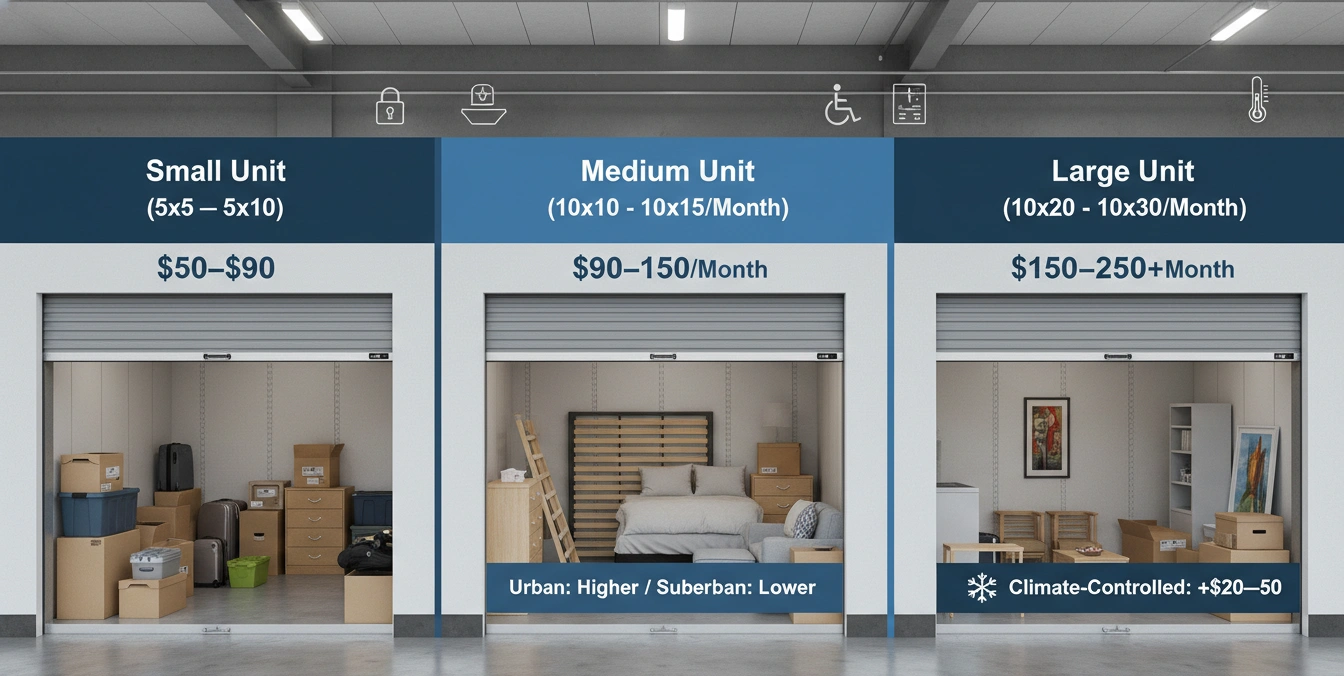
The average monthly cost of self-storage typically ranges between $50 and $250 per month, depending on unit size, location, and available features. Smaller units are more affordable, while larger or climate-controlled options cost more. This clear price range allows users and search engines to quickly understand typical storage unit costs & pricing.
Storage pricing can vary based on several important factors, including where the facility is located and how much space is needed. Units in high-demand or urban areas are usually priced higher than those in suburban locations. Security features, access options, and seasonal demand can also influence monthly rates.
To ensure better financial and item security, renters can consider tenant protection coverage or storage insurance Farmington MO, which adds an extra layer of protection against unexpected damage, theft, or loss. This optional coverage is often recommended when storing valuable or long-term items.
Average Monthly Cost of Self-Storage
The average monthly cost of self-storage can vary widely depending on the region, facility type, and unit size. On average, small units typically cost around $50 per month, while larger units may exceed $250 per month. Factors such as location, demand, and amenities play a major role in determining the final monthly cost. Understanding these averages helps renters plan their budget and select the most suitable storage solution.
Pricing differences are also influenced by additional features like climate control, enhanced security, and accessibility options. Urban areas often have higher rates due to limited space and high demand, while suburban locations usually offer more competitive pricing.
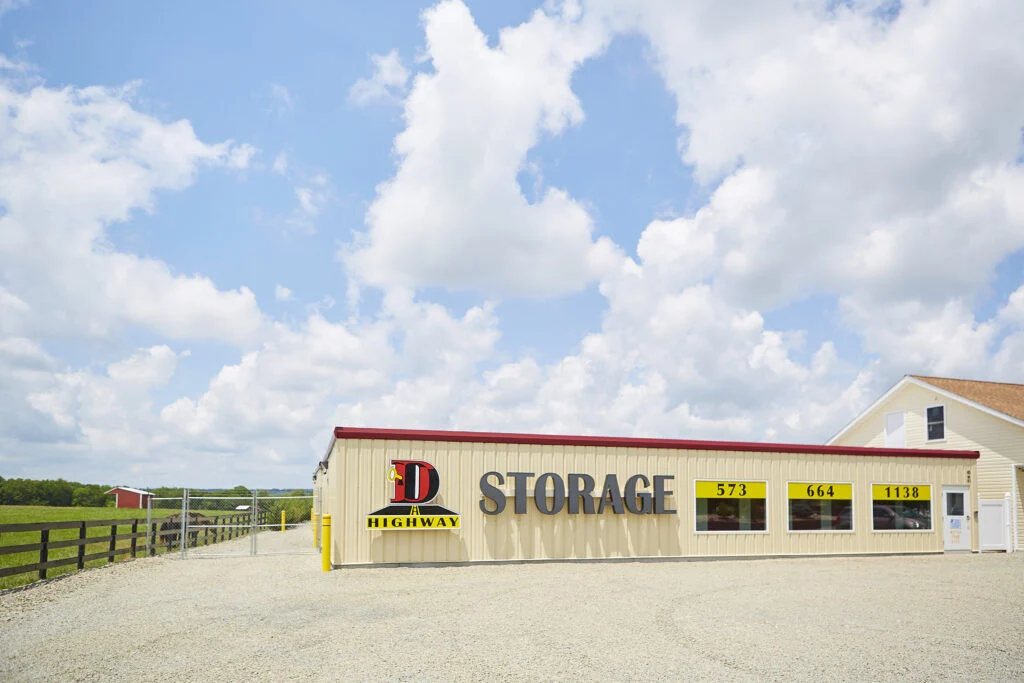
For anyone comparing options in detail, it helps to see units at D Highway Storage and understand what different storage sizes and features are available before deciding.
Average Monthly Prices by Unit Size
Unit size is one of the key factors that determine the cost of self-storage. Choosing the right size ensures you don’t pay for extra unused space while still meeting your storage needs. Different unit sizes accommodate different types of belongings, so selecting the correct one is essential. Understanding average prices by unit size helps renters plan their budget effectively.
1. Small Storage Units (5×5 – 5×10)
Small units are perfect for boxes, seasonal items, or small furniture. They typically cost between $50 and $90 per month. These units are an affordable choice for short-term storage or minimal storage needs.
2. Medium Storage Units (10×10 – 10×15)
Medium units can hold the contents of a one-bedroom apartment. Monthly pricing usually ranges from $90 to $150. They are commonly used for moving, renovations, or temporary storage needs.
3. Large Storage Units (10×20 – 10×30)
Large units are suitable for storing an entire household or business inventory. Prices generally start around $150 and can exceed $250 per month. They provide ample space for long-term storage or commercial use.
Factors That Affect Self-Storage Costs
Several factors influence the average monthly cost of self-storage, and understanding them helps renters make informed decisions. Prices can vary depending on location, unit type, accessibility, security, and rental duration. Considering these factors ensures you choose a storage option that meets your needs without overspending. Being aware of cost drivers helps both individuals and businesses find the most cost-effective solution.
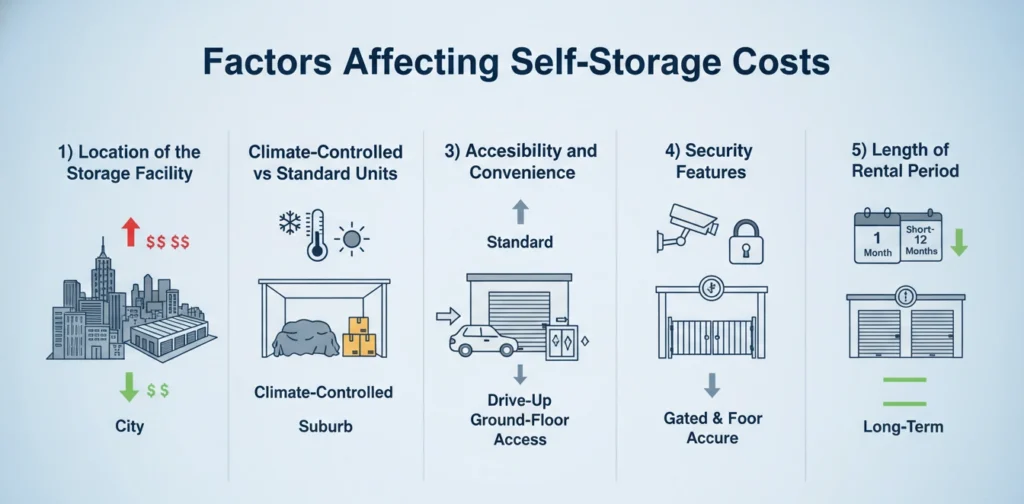
1. Location of the Storage Facility
The location of a storage facility significantly affects pricing. Urban and high-demand areas usually charge higher rates due to limited space and higher operating costs. Suburban or less busy locations tend to offer larger units at lower prices, making them more cost-effective.
2. Climate-Controlled vs Standard Units
Climate-controlled units maintain stable temperature and humidity to protect sensitive items. These units cost more than standard storage but are ideal for electronics, furniture, and important documents. They provide extra safety, especially for long-term storage.
3. Accessibility and Convenience
Features like drive-up access, ground-floor units, and extended access hours can increase monthly costs. These options add convenience for frequent visits or large items. Renters should weigh the convenience against additional costs when selecting a unit.
4. Security Features
Advanced security measures such as gated access, surveillance cameras, and on-site management may raise prices. For facilities with stronger protection, options like monitored storage units Missouri provide enhanced safety for valuable belongings.
5. Length of Rental Period
Rental duration can impact storage pricing. Long-term rentals may offer discounts or stable monthly rates. Short-term or temporary rentals are often priced slightly higher to account for higher turnover and demand.
Urban vs Suburban Self-Storage Pricing
Choosing the right location can have a significant impact on self-storage costs. Urban storage facilities often charge higher rates because of limited space and greater demand. In contrast, suburban facilities usually offer larger units at more affordable prices, making them a cost-effective option for many renters.
| Feature / Factor | Urban Storage Facilities | Suburban Storage Facilities |
| Price | Higher monthly rates | Lower monthly rates |
| Unit Size | Smaller units more common | Larger units more available |
| Demand | High demand, limited availability | Moderate demand, more availability |
| Accessibility | Close to city centers, convenient for locals | Slightly farther from city, may require longer travel |
| Cost Efficiency | Less cost-effective due to premium pricing | More cost-effective, better value for space |
| Extras & Amenities | May offer premium services at higher cost | Standard amenities, often more space for same price |
Climate-Controlled Storage and Its Value
Climate-controlled storage is ideal for items that are sensitive to temperature or humidity. These units maintain a stable environment that protects belongings from extreme heat, cold, or moisture. Electronics, important documents, and furniture benefit greatly from this added protection.
Although climate-controlled units cost more than standard storage, the advantages often outweigh the extra expense. Long-term storage of delicate items, such as antiques, artwork, or sensitive equipment, is safer in a controlled environment. The added peace of mind makes the higher price worthwhile for many renters. You can also compare options like indoor temperature regulated storage units to choose the best fit for your budget and storage needs.
Even everyday items can benefit from climate-controlled storage, reducing the risk of mold, warping, or deterioration. Seasonal belongings and valuables are better preserved under stable conditions. Overall, climate-controlled storage provides reliable protection and ensures your possessions remain in excellent condition.
Tips to Save Money on Self-Storage
Saving money on self-storage starts with making informed choices before renting a unit. Storage costs can increase quickly if you select more space or features than necessary. By planning ahead and comparing options, renters can significantly reduce monthly expenses. Small adjustments in timing, packing, and facility selection can lead to long-term savings.
Ways to reduce self-storage costs include:
- Choose the smallest unit that meets your needs
- Compare nearby facilities for better pricing
- Look for promotions or move-in specials
- Avoid peak moving seasons
- Pack efficiently to maximize space
Being strategic about unit size and rental timing helps prevent unnecessary spending. Facilities often offer discounts that are easy to miss without comparison. With careful planning, self-storage can remain an affordable and practical solution.
Choose the Right Self-Storage Facility
The right self-storage facility should offer competitive pricing, strong security features, and convenient access. A reliable facility provides clean units, transparent pricing, and flexible rental options. These factors help users quickly identify a trustworthy storage solution.
In addition to pricing, customer reviews and facility management play a key role in decision-making. Well-maintained properties with gated access and surveillance systems offer better protection for stored items. Choosing a professionally managed facility ensures long-term safety and peace of mind.
FAQs
What is the typical price range for self-storage units?
Self-storage units usually range from $50 to $250 per month. Pricing depends on unit size, location, and added features.
How much does a 10×10 storage unit cost monthly?
A 10×10 unit typically costs between $90 and $150 per month. Prices vary by location and facility amenities.
Do climate-controlled units cost more than standard units?
Yes, climate-controlled units usually cost 10–30% more. The added protection makes them ideal for sensitive belongings.
Does location affect self-storage pricing?
Yes, storage facilities in urban areas usually charge higher rates. Suburban locations often provide more affordable options.
Can long-term rentals reduce monthly costs?
Many facilities offer discounts or stable pricing for long-term rentals. This helps reduce overall storage expenses.
Conclusion
The average monthly cost of self-storage varies depending on unit size, location, and facility features. Knowing these cost factors helps renters make informed decisions and avoid overpaying. Choosing the right unit ensures that belongings are stored safely and efficiently. For real-world examples of what people pay for storage, you can check thisdiscussion on Reddit, or visit our storage FAQ to get answers to common pricing questions and detailed cost breakdowns. Overall, self-storage remains a flexible and practical solution for both individuals and businesses.