Where Can You Find the Cheapest Storage Unit for Long-Term Use?
The cheapest storage unit for long-term use is usually a small, standard (non-climate-controlled) unit located outside busy city centers. These units cost less because they do not include temperature control and are often in lower-demand areas. Choosing only the space you truly need also keeps monthly payments low. Long-term rental discounts can further reduce the overall cost.
Many people need storage for extended periods due to moving, downsizing, renovations, or business inventory. When renting for several months or years, even a small price difference can add up significantly. That is why comparing unit types, sizes, and locations is important before making a decision. Careful planning helps avoid paying more than necessary.
Affordable storage options are available if you understand what affects pricing. Location, contract length, and special promotions all play a role in the final monthly rate. Some facilities offer discounts for advance payments or longer commitments. By reviewing these factors, you can secure reliable storage without stretching your budget.
Comparison of the Cheapest Storage Unit for Long-Term Use
| Storage Unit Type | Typical Monthly Cost | Best For | Notes |
| 5×5 Standard | $40–$60 | Small boxes, personal items | Cheapest storage unit for long-term use; ideal for compact storage |
| 5×10 Standard | $70–$90 | Small furniture, bins | Affordable mid-size option; stacks well |
| 10×10 Standard | $100–$130 | Apartment contents | Good for medium-sized storage needs |
| Climate-Controlled 5×10 | $120–$150 | Electronics, antiques | Extra protection, higher cost |
| Outdoor Drive-Up 10×10 | $90–$120 | Furniture, vehicles | Convenient loading; moderately priced |
Factors That Affect Long-Term Storage Costs
Several factors directly influence how much you will pay each month for the cheapest storage unit for long-term use. Understanding these elements helps you avoid unnecessary expenses and select the most cost-effective option. Even small differences in location, unit size, or features can significantly change the total long-term cost. For more details on renting a storage unit, you can check out this storage unit rental guide which explains how to select the right unit for your needs.
Location
Storage pricing depends heavily on area demand and property value. Units in central commercial zones usually have higher rental rates. Choosing a facility outside high-traffic areas can significantly lower your monthly bill.
Cost differences are usually based on:
- City center vs suburban location
- Population density
- Local demand for storage
- Accessibility and convenience
Unit Size
The size of the unit is one of the biggest pricing factors. Larger units cost more because they provide more square footage. Selecting the correct size prevents unnecessary monthly expenses.
Common affordable unit sizes include:
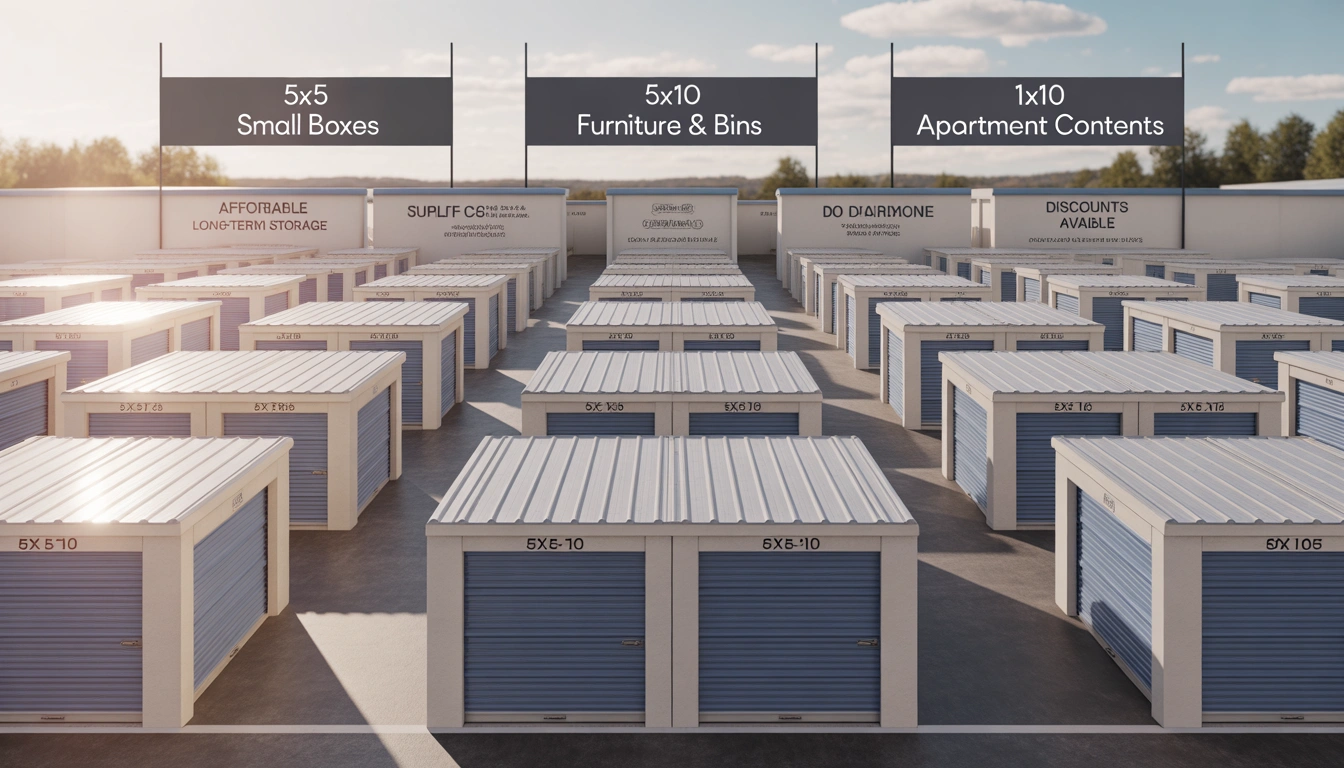
- 5×5 – Ideal for small boxes and personal items
- 5×10 – Suitable for small furniture and storage bins
- 10×10 – Mid-size option for apartment contents
Always measure your belongings before renting.
Climate-Controlled vs Standard Units
Climate-controlled units maintain stable temperature and humidity levels. These units cost more due to additional energy and maintenance expenses. Standard units are usually the cheapest option for long-term storage. You can learn more about different storage types to decide which unit suits your belongings best.
Standard units are suitable for:
- Plastic containers
- Metal items
- Tools and equipment
- Non-sensitive household goods
Rental Duration and Discounts
The length of your rental agreement can affect your final price. Many facilities reward long-term commitments with better rates. Negotiating or asking about offers can reduce your monthly payment.
Ways to save on long-term rentals:
- Sign a 6–12 month agreement
- Prepay several months in advance
- Ask about loyalty or renewal discounts
Best Places to Find the Cheapest Storage Units
Finding affordable storage requires comparing different providers and locations. Prices can vary widely depending on demand and business models. Taking time to research your options increases your chances of securing the best long-term deal. For detailed pricing information, you can also check storage unit costs and pricing to see current rates and plan your budget effectively.
Local Independent Storage Facilities
Smaller, locally owned storage facilities sometimes offer more competitive pricing than large national brands. They may have lower overhead costs, which allows them to provide better rates. These facilities are often more flexible when discussing long-term discounts.
Facilities Outside High-Demand Areas
Storage units located outside major commercial districts often offer the cheapest storage unit for long-term use. High-demand areas naturally have higher prices because of convenience and accessibility. Choosing a facility a short drive away from busy locations can lead to noticeable monthly savings. This strategy helps secure affordable long-term storage without compromising on safety or convenience.
Online Promotions and Special Deals
Many storage companies advertise online-only discounts and limited-time promotions. Offers such as first-month-free deals or reduced move-in fees can significantly lower your initial costs. Always review current promotions before finalizing your reservation.
Comparing Multiple Providers
Comparing at least three different storage facilities helps you understand market pricing. Look beyond the base monthly rate and check for hidden fees or required insurance. Reading customer reviews can also help you choose a reliable and affordable provider.
Most Affordable Types of Storage Units
Not all storage units are priced the same, and some options are naturally more budget-friendly. Choosing the right type can make a big difference in long-term expenses. Understanding these options helps you select a unit that balances cost and convenience.
Standard Non-Climate-Controlled Units
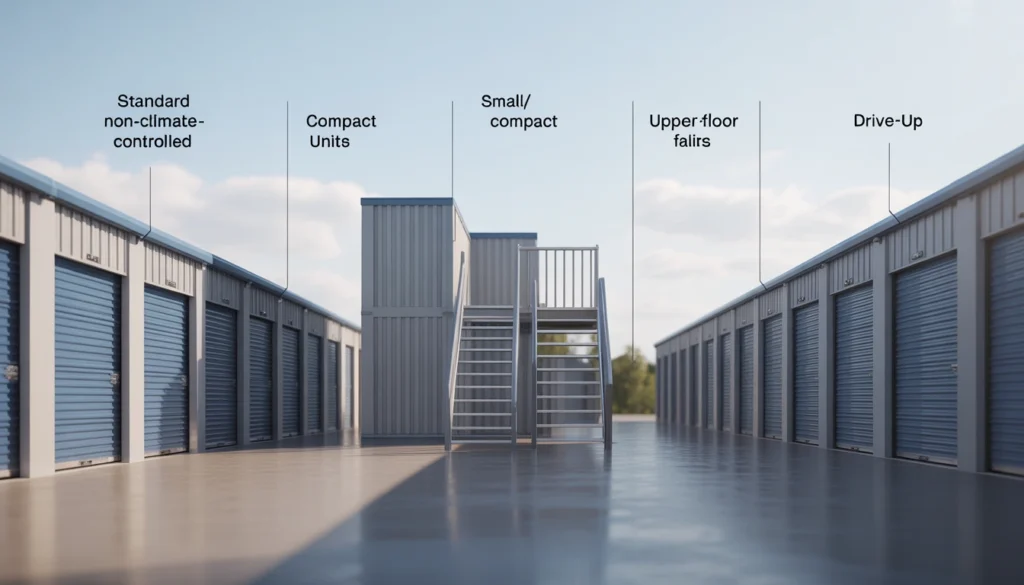
Standard units are typically the lowest-priced storage option. They provide secure space without temperature regulation, which reduces operational costs. These units are suitable for items that are not sensitive to heat or cold.
Smaller Units
Compact units are always more affordable than larger spaces. If you organize your belongings efficiently, you may fit everything into a smaller unit than expected. This simple decision can lower your monthly bill significantly.
Upper-Floor Units
Ground-floor units are more convenient and often priced slightly higher. Upper-floor units may cost less because they require elevator or stair access. If convenience is not a top priority, this option can help you save money.
Outdoor Drive-Up Units
Drive-up units allow direct vehicle access, making loading and unloading easier. In some locations, these units are competitively priced compared to indoor spaces. They can offer both affordability and convenience depending on the facility.
Smart Ways to Reduce Long-Term Storage Costs
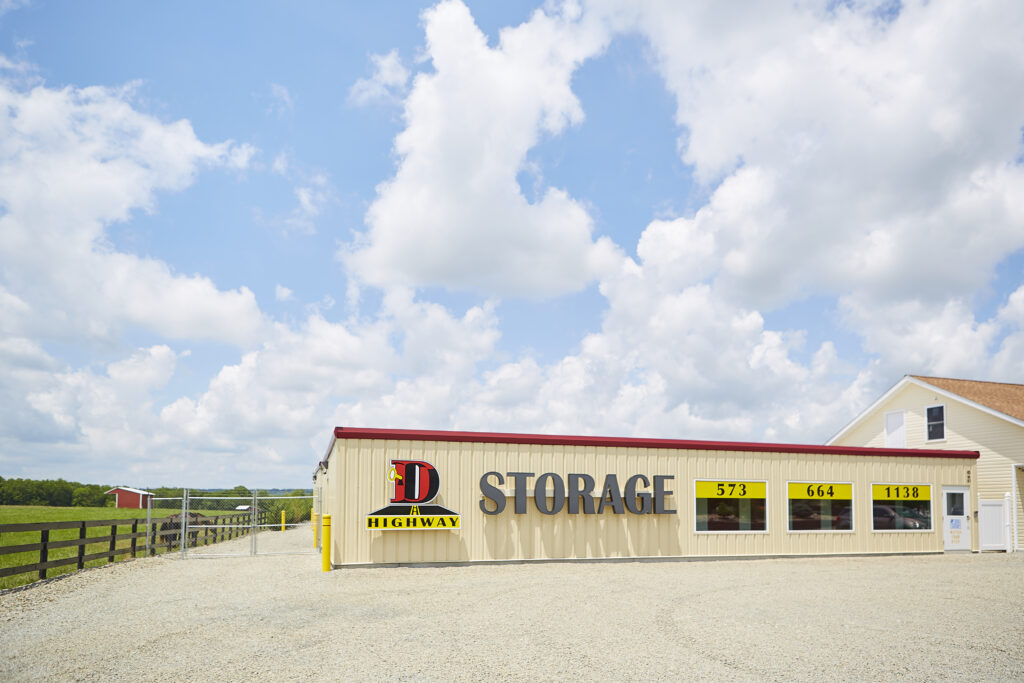
Lowering storage expenses requires careful planning and smart decision-making. Small adjustments in your rental approach can lead to long-term savings. Being proactive helps you avoid unnecessary charges. For more options and to explore available units, you can visit D Highway Storage to see their full range of storage solutions.
Choose the Right Size
Accurately estimate how much space you need before renting. Use shelves, stack boxes properly, and disassemble furniture when possible. Maximizing vertical space allows you to rent a smaller, more affordable unit.
Ask About Long-Term Discounts
Many storage providers offer special pricing for extended rental commitments. Speaking directly with the facility manager may reveal unpublished discount options. Long-term agreements can reduce the average monthly cost.
Pay in Advance
Some facilities reward advance payments with discounted rates. Paying for several months upfront may lower your total expense over time. Always confirm refund policies before making large prepayments.
Avoid Hidden Fees
Review the rental agreement carefully before signing. Check for administrative fees, mandatory insurance, or penalty charges. Understanding the full cost structure ensures there are no unexpected expenses later.
Long-Term vs Short-Term Storage Cost Difference
Long-term storage usually offers a lower monthly rate than short-term rentals. Many facilities provide better pricing when customers commit to a longer period. Short-term rentals often come with higher rates and limited discount options.
Key cost differences include:
- Lower monthly rates for long-term agreements
- Special discounts for 6–12 month commitments
- Higher flexibility but higher cost in short-term rentals
- Fewer promotional offers for short stays
- Better budgeting stability with long-term plans
Choosing long-term storage can significantly reduce your total expense over time. Even a small difference in the monthly rate becomes important when renting for several months or years. Facilities prefer stable, long-term tenants, which is why they often provide better deals. This pricing structure makes extended rentals a smart financial decision.
Short-term storage may seem convenient at first, but it can cost more in the long run. Month-to-month agreements usually offer flexibility but limited savings. If you are certain that you need storage for an extended period, locking in a long-term rate provides better value. Careful planning helps you avoid unnecessary monthly expenses and manage your budget efficiently.
FAQs
What is the cheapest size storage unit?
The cheapest storage unit sizes are usually 5×5 or 5×10 units. These smaller spaces are ideal for boxes, small furniture, and personal belongings. Choosing a compact unit helps reduce your monthly rental cost. Proper organization can allow you to fit more items into a smaller space and save money.
Are climate-controlled units necessary for long-term use?
Climate-controlled units are important for sensitive items like electronics, important documents, wooden furniture, and antiques. They protect belongings from extreme heat, cold, and humidity changes. However, for general household items packed securely, a standard unit is often enough. Choosing the right type depends on what you plan to store.
Do storage facilities offer long-term discounts?
Many storage facilities provide discounts for customers who commit to longer rental periods. Signing a 6-month or 12-month agreement can lower your monthly rate. Some providers also offer reduced pricing for advance payments. Always ask about available promotions before finalizing your rental.
How can I reduce my monthly storage bill?
You can lower your storage costs by selecting the correct unit size and avoiding extra space. Look for seasonal promotions and online discounts before booking. Choosing a standard non-climate-controlled unit can also reduce expenses. Comparing multiple storage providers helps you find the most affordable option.
Conclusion
Finding the cheapest storage unit for long-term use requires careful research and smart planning. Factors such as location, unit size, storage type, and rental duration all directly impact the final monthly cost. Comparing multiple providers helps you understand market pricing and avoid overpaying.
You can also explore community discussions like this helpful thread on Quora about affordable self-storage solutions to see real user experiences and pricing insights. Taking advantage of promotions and long-term discounts further improves affordability. With the right approach, you can secure reliable storage that fits both your needs and your budget.