What Items are Legal to Store in a Storage Unit? Complete Guide
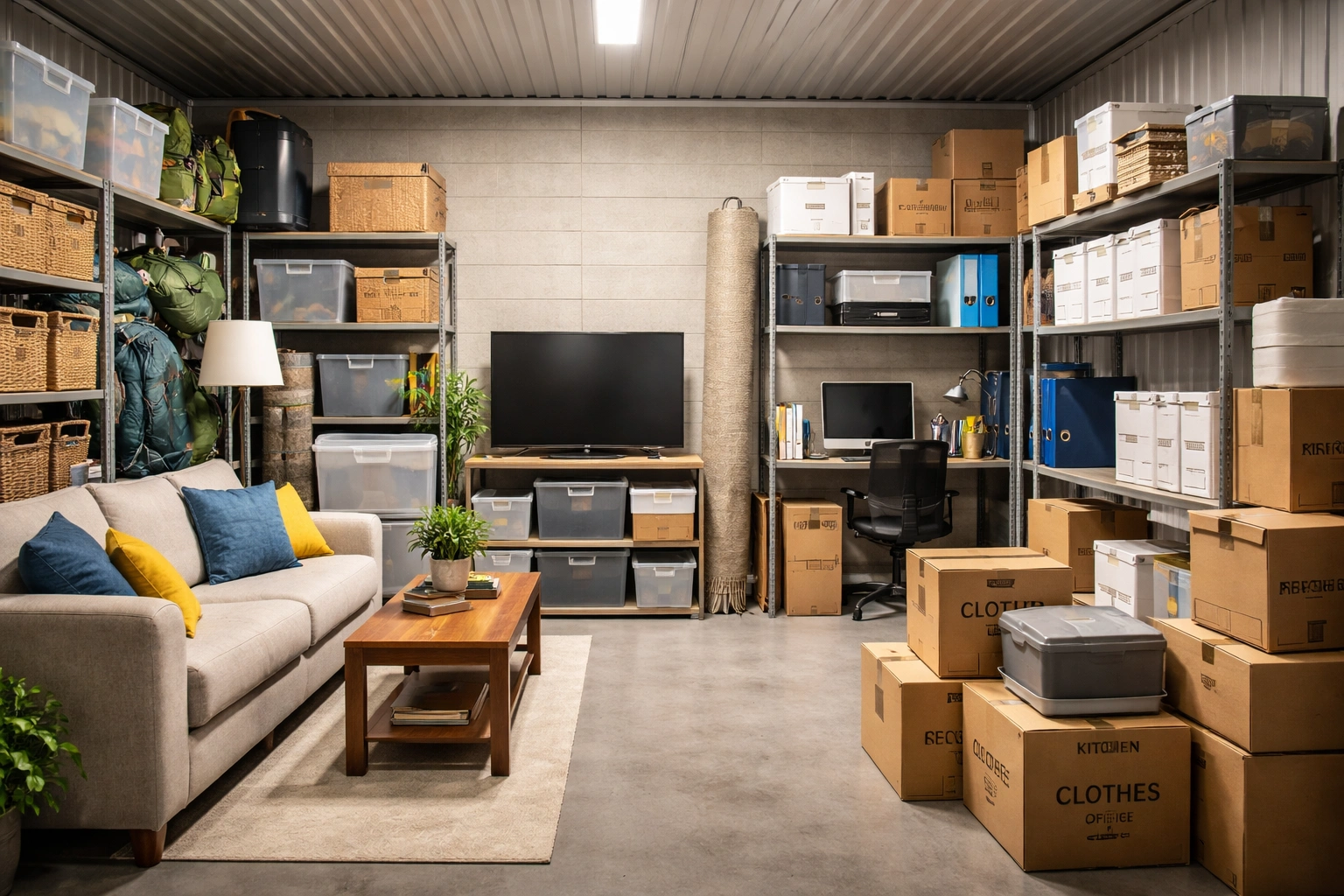
Many people wonder what items they can safely place inside a storage unit. The items are legal to store in a storage unit usually include household furniture, clothing, electronics, business supplies, and other non-hazardous belongings. Storage facilities allow items that do not create safety risks or violate facility rules. These items must be clean, properly packed, and safe to keep in an enclosed space. Anything dangerous, illegal, or perishable is normally not permitted.
Storage units are commonly used during moving, renovations, or when homes and offices run out of space. They help keep valuable belongings organized and protected for short-term or long-term storage. However, every storage facility has guidelines about what can and cannot be stored. Following these rules helps prevent damage, safety problems, and legal issues. Knowing the allowed items before renting a unit makes the storage process easier and safer.
Common Items You Can Legally Store in a Storage Unit
Many storage facilities allow a wide range of personal and household belongings. These items are considered safe because they do not create safety risks or violate storage policies. Proper packing and organization help keep these belongings protected during storage. Understanding what items are legal to store in a storage unit can help you prepare your belongings correctly and avoid storing restricted materials.
Household Items
Most storage facilities allow everyday household belongings. These items are safe to store because they do not create safety risks. They are commonly placed in storage during moving or home organization. Common household items include:
- Sofas, chairs, and tables
- Beds and mattresses
- Home décor and decorations
- Lamps and rugs
- Kitchen utensils and cookware
These items are often stored when people are moving or when they want to create extra space at home. It is important to also be aware of items that are not allowed in a storage unit to ensure your belongings remain safe and compliant with facility rules.
Clothing and Personal Belongings
Clothing and personal items are also commonly stored in storage units. These belongings are easy to pack and usually do not cause safety concerns. Many people use storage units to keep seasonal or rarely used items. You can store items such as:
- Seasonal clothing
- Shoes and accessories
- Blankets and bedding
- Personal boxes and bags
Using sealed containers or plastic bins helps protect clothing from dust and moisture.
Electronics and Small Appliances
Electronics can also be stored in many storage units if they are packed carefully. Proper protection helps prevent damage while the items are in storage. Many people place electronics in storage when relocating or upgrading devices. Common electronics stored in storage units include:
- Televisions
- Computers and monitors
- Printers
- Gaming consoles
- Small appliances like microwaves or coffee makers
It is recommended to use original boxes or padded packaging for extra protection. You can also use a storage space calculator to determine the right size of unit needed for your electronics and small appliances, ensuring everything fits safely and efficiently.
Business Inventory and Office Supplies
Storage units are not only useful for homeowners. Many businesses use them to store extra inventory or office materials. This helps free up valuable workspace in offices or shops. Business-related items that are usually allowed include:
- Office furniture
- Documents and files
- Business inventory
- Marketing materials and supplies
For businesses with limited office space, a storage unit can be a practical and affordable solution.
Vehicles and Equipment
Some storage facilities allow vehicles and large equipment depending on the unit type. These units are designed to provide secure space for transportation or work equipment. However, the storage rules may vary by facility. Vehicles and equipment that may be stored include:
- Motorcycles
- Small boats
- Bicycles
- Lawn equipment
- Construction tools
Always check the facility rules before storing vehicles to make sure they meet storage requirements.
Common Items You Can Legally Store in a Storage Unit
Many storage facilities allow a wide range of personal and household belongings. These items are generally safe because they do not create hazards or violate storage policies. Proper packing and organization help keep stored belongings protected for both short-term and long-term storage.
Household Items
Most storage facilities allow everyday household belongings. These items are commonly stored when people are moving, renovating, or creating extra space at home. They are considered safe as long as they are clean and properly packed. Common household items include:
- Sofas, chairs, and tables
- Beds and mattresses
- Home décor and decorations
- Lamps and rugs
- Kitchen utensils and cookware
These belongings are often placed in storage units during relocation or when homeowners need temporary space for furniture and home items. If you are planning to rent a storage unit for household items, you can find helpful options and guidance here.
Clothing and Personal Belongings
Clothing and personal items are also commonly stored in storage units. These belongings are easy to pack and usually do not cause safety concerns inside the facility. Many people use storage units to keep seasonal or rarely used items organized. You can store items such as:
- Seasonal clothing
- Shoes and accessories
- Blankets and bedding
- Personal boxes and bags
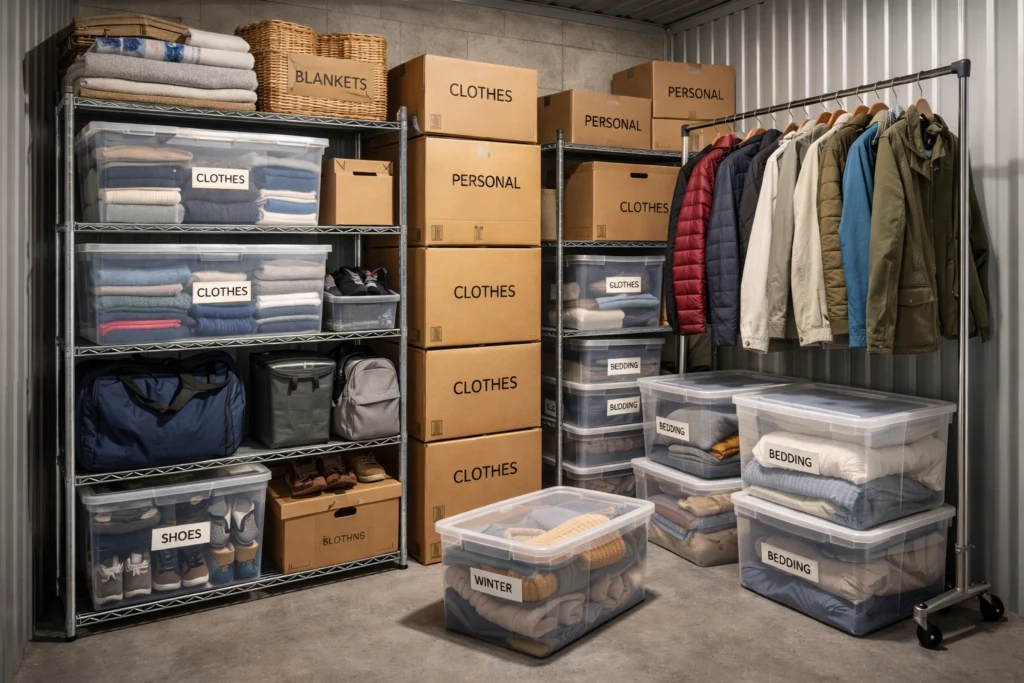
Using sealed containers or plastic bins helps protect clothing and personal items from dust, moisture, and damage.
Electronics and Small Appliances
Electronics can be stored in many storage units when they are packed carefully. Proper protection helps prevent scratches, dust buildup, and internal damage. People often place electronics in storage during moving or when upgrading devices. Common electronics stored in storage units include:
- Televisions
- Computers and monitors
- Printers
- Gaming consoles
- Small appliances like microwaves or coffee makers
Using original boxes, protective covers, or padded packaging can help keep electronic devices safe while they remain in storage.
Business Inventory and Office Supplies
Storage units are not only useful for homeowners but also for businesses. Many companies use storage units to keep extra inventory, documents, or office equipment. This helps free up valuable working space in offices and retail locations. Business-related items that are usually allowed include:
- Office furniture
- Documents and files
- Business inventory
- Marketing materials and supplies
For businesses with limited office space, renting a storage unit can be a practical and cost-effective solution.
Vehicles and Equipment
Some storage facilities allow vehicles and larger equipment depending on the storage unit type. These spaces are designed to provide secure storage for transportation and work tools. However, the specific rules may vary between different storage facilities. Vehicles and equipment that may be stored include:
- Motorcycles
- Small boats
- Bicycles
- Lawn equipment
- Construction tools
Always check the storage facility rules before storing vehicles or equipment to make sure
Storage Unit Rules You Should Know
Every storage facility has its own set of rules and rental policies. These rules are designed to keep the facility safe and secure for all renters. Before placing your belongings in a unit, it is important to review the guidelines carefully. Following these rules helps prevent damage, safety hazards, and potential legal issues. Key rules often include:
- No dangerous or hazardous materials. These items can cause fires or safety risks.
- Properly packed and labeled items. This ensures easy access and prevents damage.
- Respect for safety regulations. Following safety rules protects everyone at the facility.
- Following rental agreement terms. Adhering to the agreement avoids penalties or disputes.
Tips for Safely Storing Your Items
Proper packing and organization are essential to protect your belongings in storage. Using the right containers and labeling items clearly makes it easier to access and manage your possessions. Small precautions can prevent damage, dust, and moisture issues. When learning what items are legal to store in a storage unit, it is also helpful to choose secure and reliable storage facilities that provide safe storage solutions. Following proper packing tips for storage units can help keep your items safe and well-organized. Helpful storage tips include:
- Use strong boxes or plastic containers. This keeps items safe from damage and moisture.
- Label each box clearly. Clear labels save time and reduce confusion when accessing items.
- Keep fragile items wrapped in protective material. Proper wrapping prevents cracks or breakage.
- Place heavy items on the bottom and lighter items on top. This avoids crushing delicate belongings.
- Leave small walkways for easy access. Walkways make it easier to reach items safely.
Why It’s Important to Follow Storage Unit Regulations
Following storage rules is crucial for both safety and legal reasons. Storage facilities have a responsibility to protect all renters’ property. Observing the guidelines also helps prevent accidents and damages inside the units. When you follow storage guidelines:
- You reduce safety risks. Following rules prevents accidents and hazards.
- You protect your belongings from damage. Proper storage keeps items secure and intact.
- You avoid violating rental agreements. Compliance prevents fines or contract issues.
- You help maintain a safe storage environment. Safe practices benefit everyone at the facility.
FAQs
Can you store furniture in a storage unit?
Yes, furniture is commonly kept in storage units. Sofas, beds, tables, and chairs can be stored safely when they are clean and properly packed. Using covers and padding helps protect them from dust and damage.
Are electronics allowed in storage units?
Yes, most facilities allow electronics like TVs, computers, and printers. It is recommended to keep them in original boxes or protective packaging. This helps prevent dust, moisture, and accidental damage.
Can you store food in a storage unit?
No, perishable food is usually not allowed because it can spoil and attract pests. Only sealed and non-perishable items may be permitted in some facilities. Always check the storage facility rules before storing food.
Are tools and equipment allowed in storage units?
Yes, tools and equipment are commonly stored in storage units. They should be clean and free from fuel or hazardous substances. Proper packing and organization help keep them safe and easy to access.
Conclusion
Storage units provide a convenient solution for storing extra belongings, whether you are moving, downsizing, or managing business inventory. However, it is important to understand what items are legal to store in a storage unit before placing your belongings inside. Most household items, furniture, clothing, electronics, and business supplies can be safely stored.At the same time, hazardous materials, perishable food, illegal goods, and living things should never be placed in a storage unit. You can learn more about items that are prohibited in storage units here. By following storage facility rules and packing your belongings properly, you can ensure a safe and organized storage experience.