What is the Real Total Cost to Rent Storage Unit Without Fees?
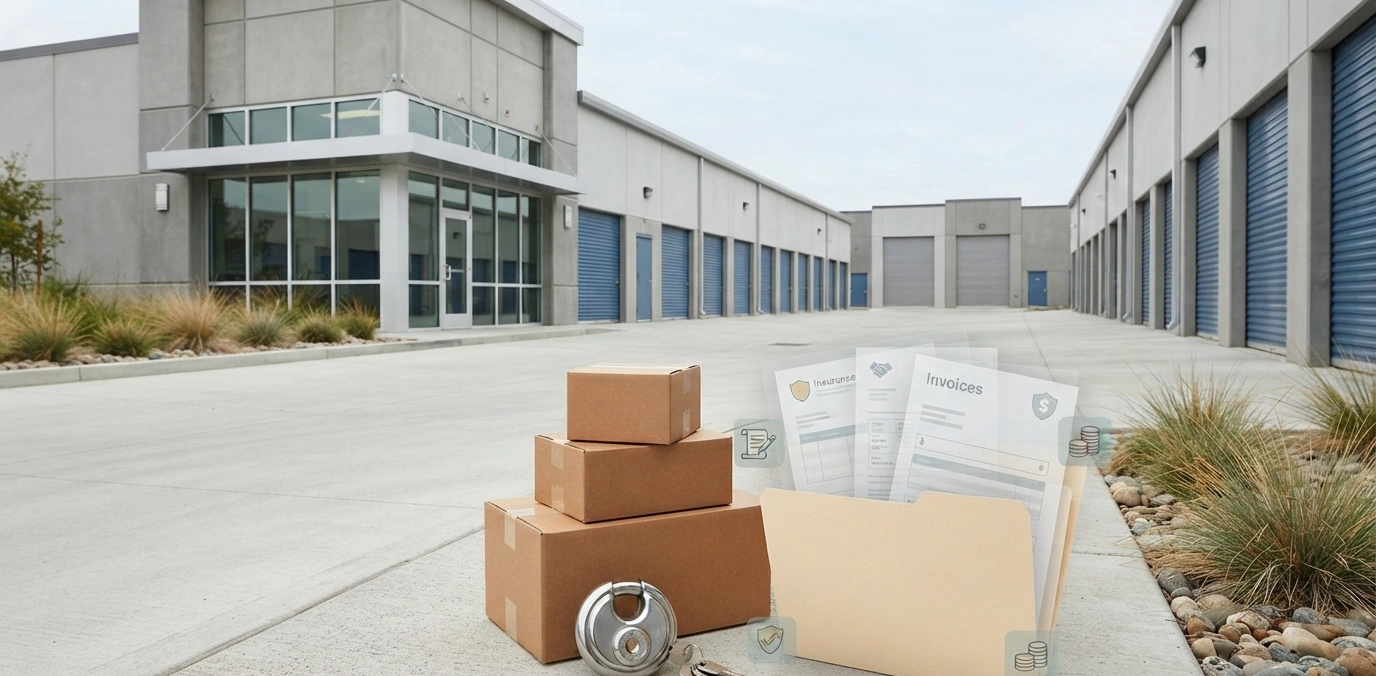
The real cost to rent storage unit space is often 20-40% higher than the price advertised online. Most facilities quote a low base rate, then add insurance, admin charges, and lock fees once you sign. The true monthly cost usually falls between $70 and $275, depending on unit size and location. This guide breaks down every hidden charge so you know the real number before you commit.
Comparing prices shouldn’t feel like reading fine print under a flashlight. Many facilities bury fees deep in their contracts, making it hard to judge cheap storages for rent against each other fairly. We reviewed pricing structures across multiple providers to expose gaps most blogs ignore. By the end, you’ll know exactly what a fair storage bill looks like.
Real Monthly Cost Breakdown By Unit Size
| Unit Size | Base Rent | Admin Fee | Insurance | Lock/Deposit | True Monthly Cost |
| 5×5 | $45-$65 | $15-$25 | $10-$15 | $10-$20 (one-time) | $70-$105 |
| 10×10 | $90-$130 | $15-$25 | $12-$18 | $10-$20 (one-time) | $117-$173 |
| 10×20 | $150-$220 | $20-$30 | $15-$25 | $10-$20 (one-time) | $185-$275 |
| Climate-Controlled 10×10 | $120-$180 | $20-$30 | $15-$25 | $10-$20 (one-time) | $155-$235 |
Why Advertised Prices Don’t Match Your First Bill
Facilities advertise base rent only, never the full package. Admin fees get added at move-in, and insurance is often mandatory rather than optional. This gap between the ad and the invoice is the biggest complaint renters have.
Hidden Fees That Inflate Your Storage Space For Rent Bill
Charges beyond base rent are common across the industry. Knowing them ahead of time helps you negotiate or choose a different facility.
- Administrative fee: A one-time charge of $15-$30 at sign-up.
- Mandatory insurance: $10-$25 monthly, even with existing renters coverage.
- Late payment fee: $10-$20 if payment slips even one day.
- Lock purchase: Some facilities require their own lock, costing $10-$20.
- Rate increase clauses: Many leases allow a 10-15% hike after 3-6 months.
Do Storage Facilities Raise Rent After You Sign?
Yes, Most facilities increase rent after an introductory period, usually between month 3 and month 6. The increase typically ranges from 8% to 15%. Always ask for rate history before signing anything.
Local Pricing Factors Behind Cheap Storages For Rent
Prices shift based on region, city density, and neighborhood demand. Downtown and urban units cost more than suburban or rural ones due to land value.
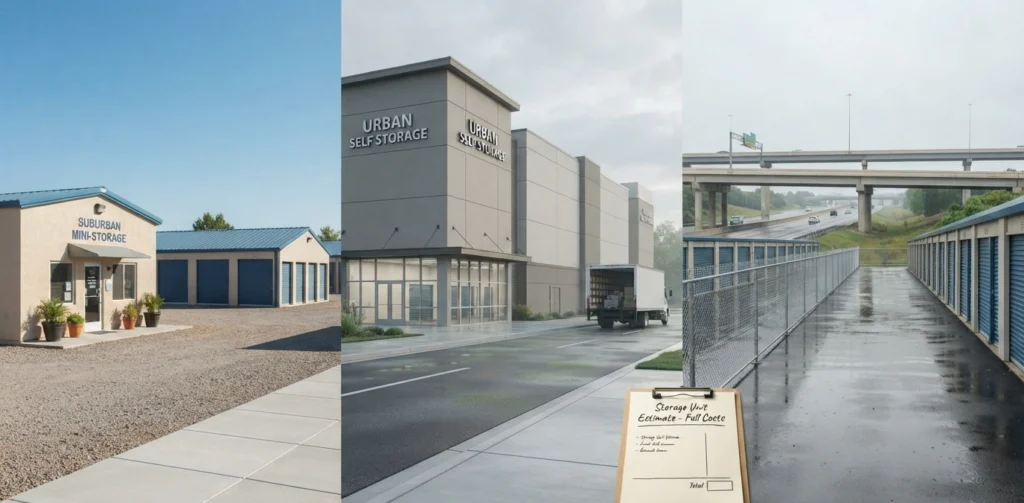
Climate plays a role too. Humid regions push more renters toward climate-controlled units, raising the local average. Easy-access facilities near highways also charge a small convenience premium.
Always request a written quote covering every fee before comparing facilities. This gives you an apples-to-apples view instead of a guess based on a teaser rate.
How To Rent A Self Storage Unit Without Overpaying
Getting a fair price takes a few smart steps before signing anything.
- Ask for the full fee schedule in writing. Skip verbal quotes entirely.
- Confirm if insurance is mandatory or optional. Your renters policy may already cover it.
- Check the rate increase clause. Ask how often and by how much rent rises.
- Compare climate-controlled vs standard units. Only pay extra if your items truly need it.
- Look for move-in specials without long lock-in terms.
When you’re ready to rent a self storage unit, ask for a 12-month cost projection, not just the first month’s promo price.
Is A Smaller Unit Always Cheaper Overall?
No, cramming belongings into a smaller unit often causes damage and makes retrieval harder. A slightly larger unit with proper organization usually costs less than replacing damaged items later.
Storage Space For Rent: What Fair Pricing Looks Like
A transparent facility gives you one number covering rent, admin fees, and insurance together. No surprise line items should appear on your first invoice. If a company can’t provide that number upfront, treat it as a red flag.
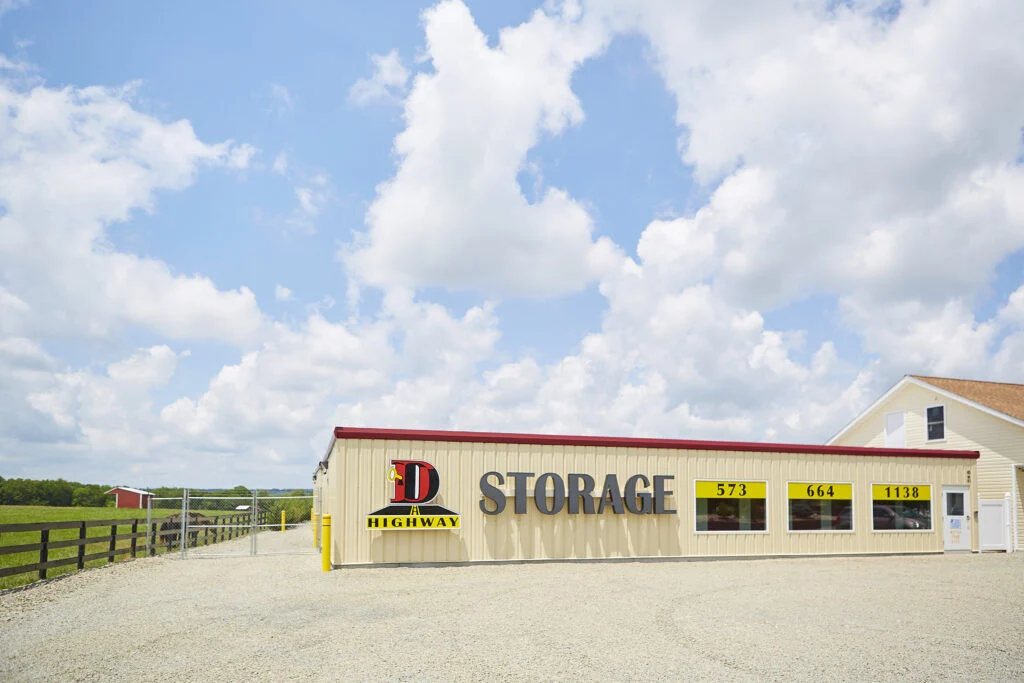
Dhighway storage publishes full pricing details before any contract is signed, removing the guesswork common across this industry.
FAQs
What Is The Average Cost To Rent A Storage Unit Per Month?
The average monthly cost ranges from $70 for a small 5×5 unit to $275 for a large 10×20 unit. Climate-controlled units typically add $30-$60 to that range. Prices vary by region and facility type.
Are There Additional Fees Besides Monthly Rent?
Yes, Most facilities charge an admin fee at sign-up, plus mandatory insurance ranging from $10-$25 monthly. Late fees and lock deposits can also apply depending on the provider.
Is It Worth Paying Extra For Climate-Controlled Storage?
Climate control is worth the extra $30-$60 monthly if you’re storing electronics, wood furniture, photos, or documents. Standard units work fine for tools, seasonal gear, and plastic-stored items. Check your inventory before deciding.
Can I Negotiate Storage Unit Pricing?
Yes, Many facilities offer discounts for long-term leases, military service, or first-month promotions. Always ask directly, since published rates are rarely the final price.
Conclusion
The true cost to rent storage unit space depends on far more than the number in the ad. Base rent, admin fees, mandatory insurance, and rate increase clauses combine to form your real monthly bill. Comparing facilities using the total cost method protects you from surprises after move-in. Always request written pricing before signing any storage agreement.
Smart renters treat storage pricing like any major purchase, checking every line item before committing. Use the breakdown table above as your baseline when evaluating facilities near you. Providers that hide fees rarely survive comparison shopping once renters know what to check. Armed with this data, you can choose a unit that fits your budget without hidden costs catching you off guard.