Is Student Storage Units for Rent Best for Summer Moves?
Finding student storage units for rent is the smartest way to handle a summer move without hauling everything home. The short answer: yes, renting a unit beats cramming your car or paying for a costly summer sublet. College students save money, protect their belongings, and skip the stress of moving twice in one season. This guide breaks down exactly how to pick the right unit and avoid common mistakes.
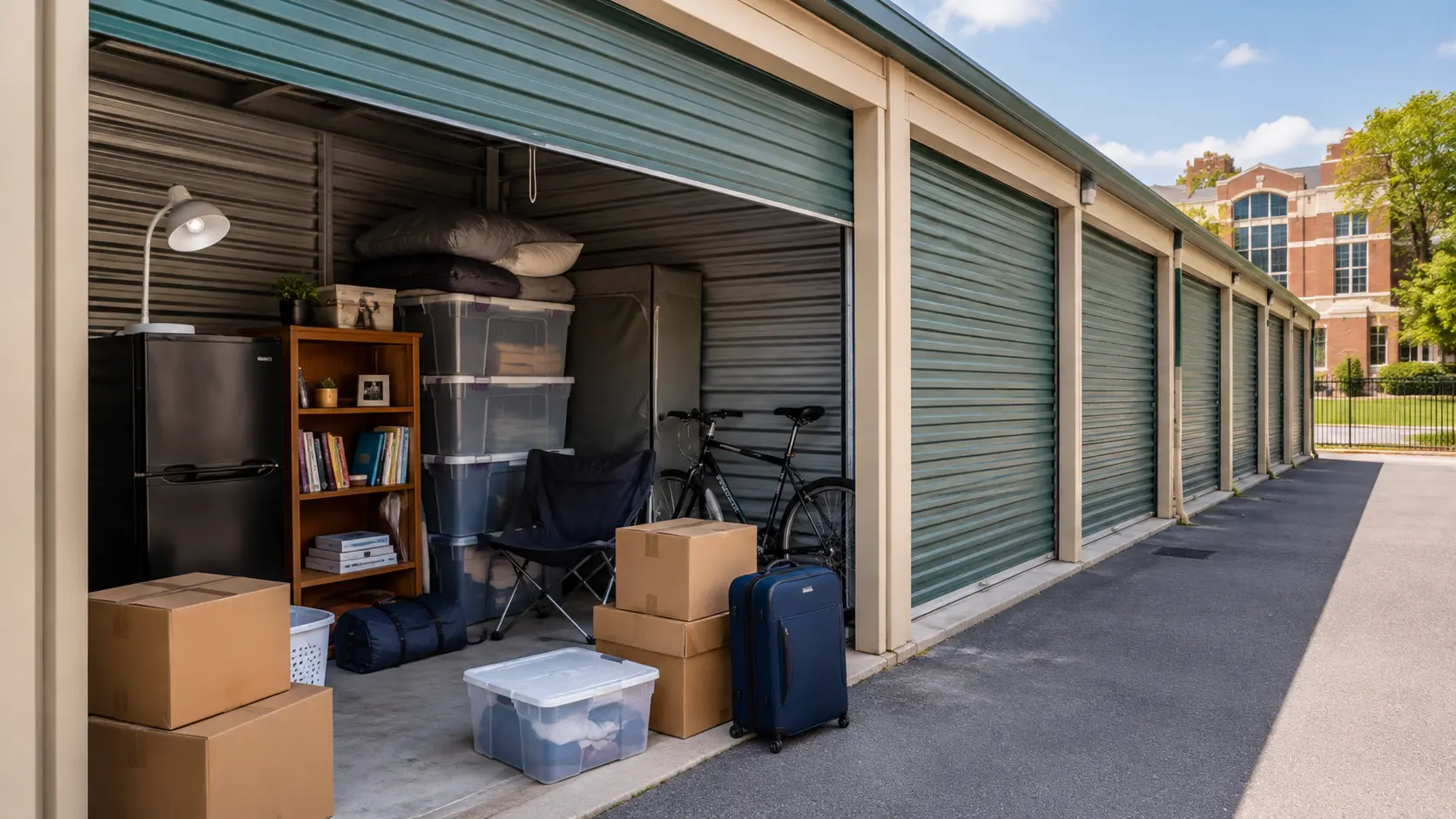
Summer break creates a logistics problem most students don’t expect. Dorms close, leases end, and suddenly you’re stuck deciding what to do with a mini-fridge, textbooks, and a bed frame. College student storage solutions solve this by giving you a secure spot to leave your stuff until fall. This article covers pricing, unit sizes, and how to book a space near your campus.
Storage vs. Other Summer Move Options
| Option | Average Cost (Summer) | Convenience | Item Safety |
| Student storage unit | $40–$120/month | High – drive up, drop off | Climate-controlled, locked |
| Shipping items home | $150–$400+ | Low – packing, delays | Damage risk in transit |
| Keeping a summer sublet | $500–$900/month | Medium | Depends on roommate care |
| Storing at a friend’s house | Free–$50 | Low – limited space | No security guarantee |
This table alone shows why storage wins on cost and safety. A sublet costs five to ten times more than a small storage unit, and shipping risks broken furniture.
Why Summer Storage for Students Beats Driving Everything Home
Not every student lives close enough to load a car and drive home. Summer storage for students removes that problem entirely. You pack once, drop your boxes at a nearby facility, and pick everything up when the fall semester starts.
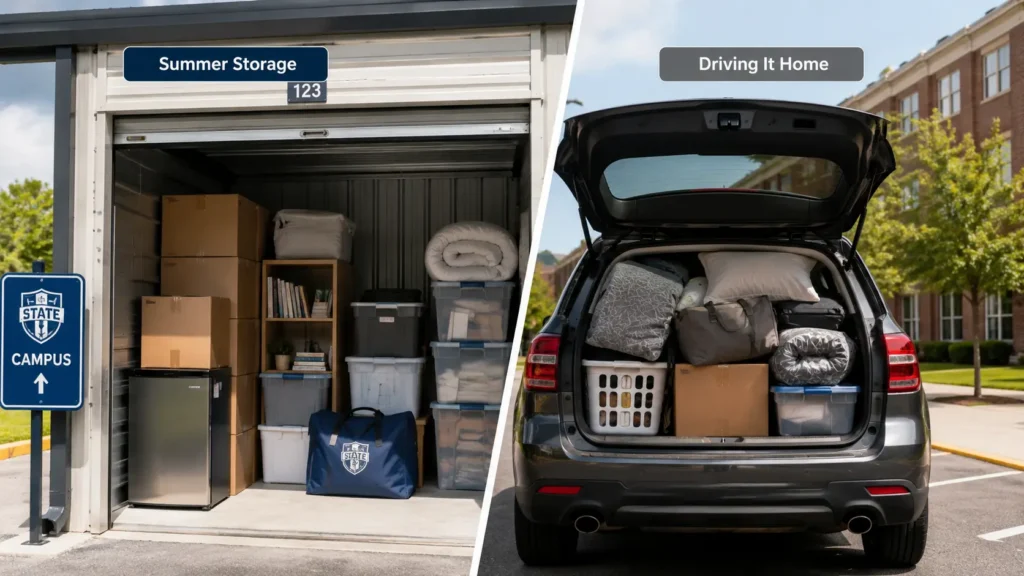
This matters even more for out-of-state students. Gas, tolls, and a packed car for a 10-hour drive cost more than a few months of storage. Many students also don’t have room at their family home for dorm furniture, so storage becomes the only realistic option.
How Much Space Do You Actually Need?
Most students overestimate how much room their stuff takes up. A standard dorm room fits into a 5×5 or 5×10 unit. Two roommates sharing storage usually need a 5×10 or 10×10 space.
Use a storage calculator before booking so you don’t pay for extra square footage you won’t use. This tool asks a few quick questions about your items and gives you an exact size recommendation.
College Student Storage Solutions Built Around Campus Life
Storage facilities near universities understand student schedules. They offer month-to-month leases instead of year-long contracts, which matters because most students only need storage for 10-14 weeks.
Look for these features when comparing facilities:
- Drive-up access for quick loading without stairs or elevators
- Climate control to protect electronics, books, and wooden furniture
- Flexible move-in and move-out dates that match your school’s academic calendar
- 24-hour security cameras and gated entry
If you’re moving out of a shared apartment with roommates, check out this breakdown of what items fit in a 10×20 drive-up storage unit. It shows exactly how much furniture and how many boxes that size holds, which helps groups split costs fairly.
What Should You Pack First?
Pack items you won’t need until fall first. This includes winter clothes, extra bedding, and decorations. Keep daily essentials like chargers, toiletries, and travel clothes out until the last day.
Affordable Student Self Storage Without Hidden Fees
Price is the biggest factor for most students on a tight budget. Affordable student self storage should include clear pricing with no surprise charges at pickup.
Before signing anything, ask the facility these three questions:
- Is there an administration fee on top of the monthly rate?
- Does the price change after the first month?
- Is insurance included, or do I need to add it separately?
A facility that answers these clearly and upfront is usually trustworthy. Hidden fees are the number one complaint students post online after a bad storage experience.
Do Storage Units Protect Furniture from Heat Damage?
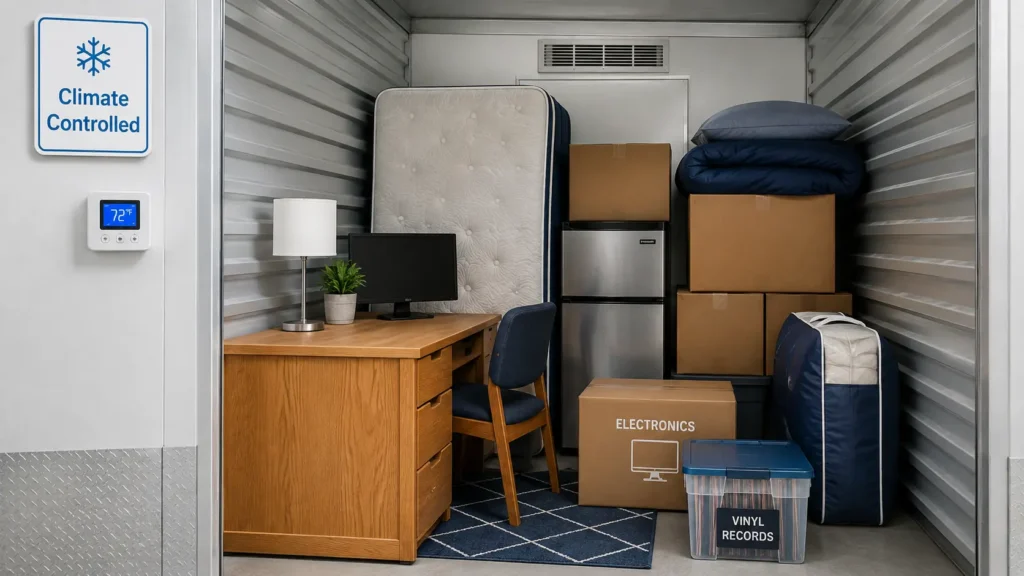
YES. Climate-controlled units keep temperatures steady, which prevents wood from warping and electronics from overheating during peak summer months. Standard non-climate units can hit temperatures that damage mattresses, laptops, and vinyl records.
Booking a Unit Close to Your Campus Corridor
Location matters as much as price. A unit sitting off the main highway route between your dorm and home makes move-in day faster and cuts down on gas costs.
Students at colleges along major interstate corridors can rent student storage units near your campus route in just a few minutes online. Booking ahead of finals week guarantees you get the unit size you need before everyone else on campus starts calling around.
Check the facility’s exact address against your daily commute route, not just the zip code. A unit five minutes off your regular drive saves far more time over a semester than one that looks close on a map but sits behind heavy traffic.
Timing Your Move-Out for Maximum Savings
Booking early always costs less than waiting until the last week of finals. Facilities near campuses fill up fast in May, and prices often rise as availability drops.
Here’s a simple timeline that works for most students:
- 3-4 weeks before finals: Reserve your unit and confirm the size
- Finals week: Pack non-essential items first
- Move-out day: Load your unit and confirm the lock is secure
- Move-in week (fall): Schedule pickup a few days before classes start
Visit the main storage page to check current summer availability and month-to-month rates before spots fill up.
FAQs
Is student storage cheaper than a summer sublet?
Yes, a small storage unit averages $40 to $120 a month, while a summer sublet typically runs $500 or more. Storage also skips utility bills and renter’s insurance requirements that come with a sublet.
Can I access my storage unit anytime during summer break?
Most facilities offer extended or 24-hour access during peak move-out and move-in weeks. Always confirm gate hours before booking if you plan to grab items mid-summer.
What size unit do two roommates need for a shared dorm?
A 5×10 unit usually fits two dorm rooms’ worth of furniture and boxes. Larger apartments with couches or bed frames may need a 10×10 space instead.
Do I need a lock, or does the facility provide one?
Most facilities require you to bring your own disc lock or purchase one on-site for extra security. A standard padlock is easier to cut, so a disc lock is the safer choice for a summer-long stay.
Conclusion
Choosing between storage, shipping, or a sublet comes down to cost, convenience, and how much stuff you actually own. Student storage units for rent give students the cheapest and safest option in almost every case, especially for those living far from campus. The flexibility of month-to-month leases matches the unpredictable nature of a student’s schedule. Comparing a few local facilities before finals week starts puts you ahead of the last-minute rush.
Once you’ve measured your items and picked a size, booking takes less than ten minutes online. Facilities located along common student travel routes cut down on moving day stress and gas costs. Whether you’re storing for ten weeks or the full summer, planning early locks in better rates and better unit availability. A little planning now means an easy, stress-free move back to campus in the fall.