Can I Rent a Storage Unit for 1 Month for Temporary Storage?
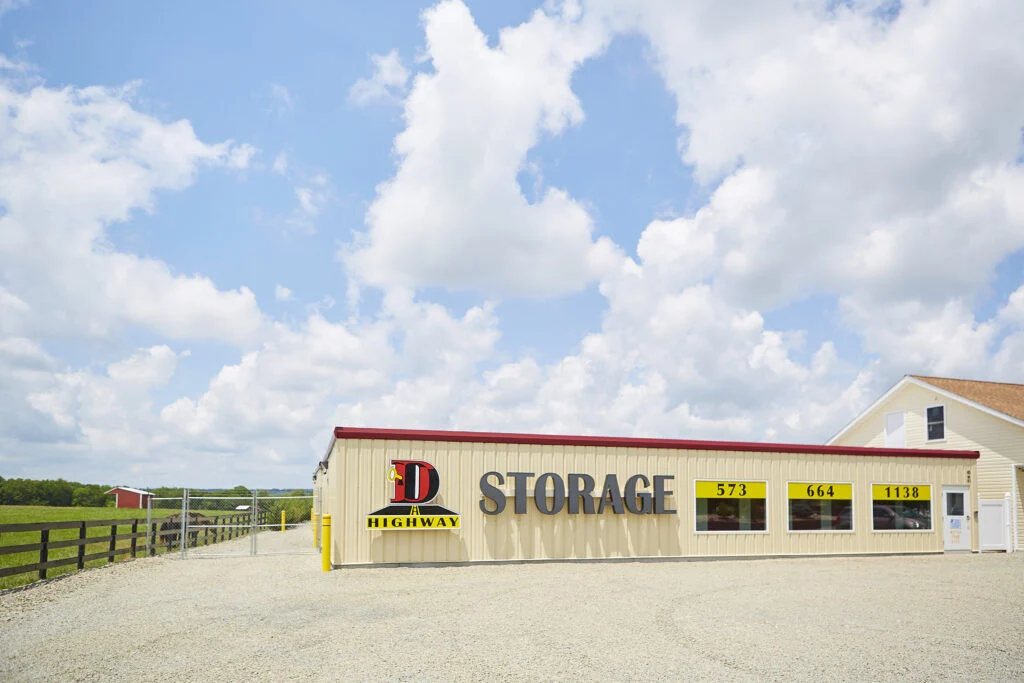
Yes, you can rent a storage unit for 1 month for temporary storage needs like moving, renovations, or staging a home. Most facilities offer flexible month-to-month leases with no long-term contract required. This makes short-term storage a practical choice for people who need extra space during a transition period. D Highway Storage and similar facilities across the region support this exact type of flexible rental.
Short-term renters often ask the same question in different ways: can I rent a storage unit for one month without getting locked into a yearly plan? The answer depends on the facility’s lease terms, not on some universal storage rule. Many local providers now build their entire pricing model around monthly flexibility. Understanding how these leases work helps you avoid overpaying or signing something you don’t need.
1-Month Storage Options
| Storage Type | Lease Length | Avg. Monthly Cost | Best For |
| Small unit (5×5) | 1 month | $40–$65 | Boxes, seasonal items |
| Medium unit (10×10) | 1 month | $95–$150 | Studio/1-bedroom move |
| Large unit (10×20) | 1 month | $160–$250 | Full house, renovation |
| Climate-controlled | 1 month | +$20–$40 extra | Electronics, furniture, documents |
| Portable container | 1 month | $150–$300 | Driveway storage, DIY moves |
Quick Checklist Before You Rent:
- Confirm the facility offers true month-to-month billing
- Ask about the first-month move-in discount
- Check for a lock-in deposit or admin fee
- Verify drive-up access vs. indoor unit access
- Review the cancellation notice period (usually 5–10 days)
Why Renters Choose Month-to-Month Storage
People need short-term space for very specific life events. A one-month lease covers most of these situations without forcing a long commitment.
Common reasons include:
- Moving between homes or apartments
- Home staging during a real estate sale
- College move-out during summer break
- Kitchen or bathroom renovation projects
- Temporary business inventory overflow
Most of these needs resolve within 30 to 60 days. That’s exactly why monthly leasing exists as a category.
Monthly Storage Unit Prices Explained
Monthly storage unit prices vary based on unit size, climate control, and location within the facility. A small 5×5 unit typically runs less than a medium 10×10 unit by a wide margin. Climate-controlled units cost more because they protect against humidity and temperature swings.
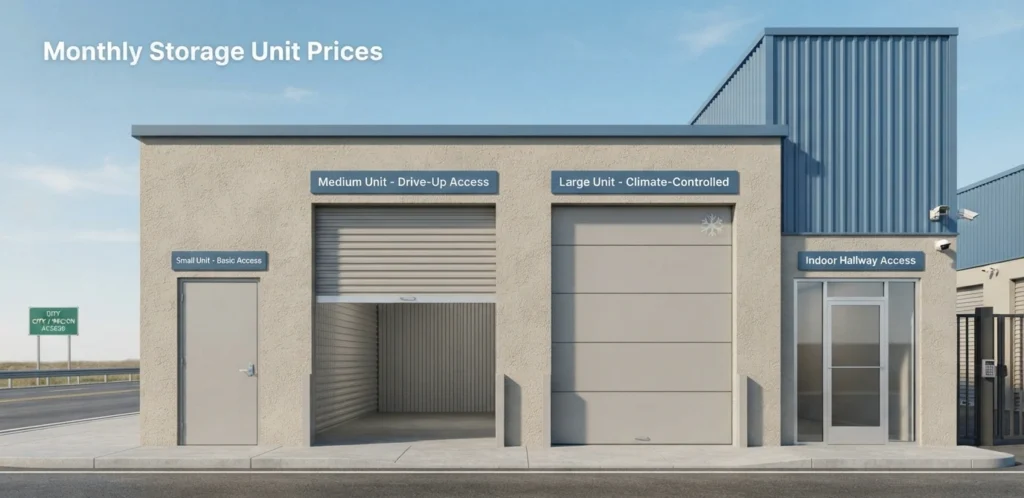
Location also drives price. Facilities near dense residential areas or highway access points, like storage options near major routes, often charge slightly more due to demand. Ground-floor and drive-up units tend to cost more than upper-floor units accessed by elevator.
Factors that affect your final price:
- Unit size and ceiling height
- Climate control availability
- Drive-up vs. indoor access
- Facility security features (gated entry, cameras)
- Local market demand and seasonal timing
Can I Rent a Storage Unit for One Month Without a Long-Term Contract?
Yes. Most modern facilities structure their leases as month-to-month by default. You pay for one 30-day period, and you can either renew or vacate. There’s no automatic multi-month obligation unless the facility specifically requires it, which is rare for standard self-storage.
Some providers do require a minimum rental period, so it’s smart to ask directly before signing. You can typically rent a storage unit online in under ten minutes, select your unit size, and confirm the lease terms digitally before ever visiting the property.
How Do I Know What Size I Need for One Month?
Think about volume, not time. A studio apartment usually fits in a 5×10 unit. A two-bedroom home typically needs a 10×15 or 10×20 unit. Staff at most facilities can estimate size based on a quick room-by-room list you provide over the phone.
Do I Need Insurance for a One-Month Rental?
Yes. Most facilities require some form of coverage, even for short stays. This can come from a facility protection plan or your existing renters or homeowners policy, whichever is cheaper.
Hidden Costs to Watch in Short-Term Leases
Short-term storage looks simple, but a few line items catch renters off guard. Knowing these ahead of time keeps your budget accurate.
Watch for these charges:
- One-time administrative or setup fee
- Mandatory lock purchase (some facilities require their own lock style)
- Late payment penalties if rent isn’t paid by the due date
- Prorated charges if you move out mid-cycle
Ask the front desk to walk through every fee line before you sign anything. A transparent facility will explain pricing without hesitation.
Local Access and Regional Storage Considerations
Storage demand shifts by neighborhood and season. Areas near highway corridors and transit routes tend to have higher turnover because renters value quick drop-off access during moves. If you’re relocating within the same metro region, picking a facility close to your route reduces drive time on move-in and move-out days.
Regional factors that matter:
- Proximity to your current or new home
- Highway or main road accessibility
- Local climate (humidity levels affect whether you need climate control)
- Neighborhood security ratings
Facilities like D Highway Storage Self Storage sit along accessible routes specifically to reduce travel time for local movers and renovation projects.
Booking Your Short-Term Unit the Right Way
Getting a one-month storage rental right comes down to three things: picking the correct size, confirming true month-to-month billing, and checking access hours that fit your schedule. Ask specific questions about lock requirements, insurance, and prorated fees before you commit. A facility that answers clearly and quickly is usually the one that treats short-term renters fairly.
FAQs
Is a One-Month Storage Rental More Expensive Per Day Than Longer Leases?
NO. Daily cost is usually similar or only slightly higher than longer leases. Facilities rarely punish short-term renters with steep markups since flexibility is part of their business model.
Can I Extend My One-Month Lease If I Need More Time?
Yes, extensions are simple in almost every case. You typically just continue paying month-to-month until you’re ready to move out, with no new contract required.
What Happens If I Need to Move Out Before the Month Ends?
Most facilities won’t refund the remaining days once you’ve paid for the month. Some offer prorated credit if you give proper notice, so check the cancellation policy before you sign.
Can I Access My Storage Unit at Any Time During the Month?
That depends on the facility’s access hours. Many locations offer extended or 24-hour gate access, while others set fixed hours, so confirm this detail before booking if you need flexible timing.
Conclusion
A one-month rental works best when your need is clear and temporary, whether that’s a move, a renovation, or a short gap between homes. The real question isn’t just can I rent a storage unit for 1 month, but whether the facility you pick offers honest pricing and real flexibility. Compare unit sizes, ask about fees upfront, and confirm the lease terms in writing before you commit. Getting these details right at the start saves both money and stress later.
Local access matters just as much as price when you’re working on a tight schedule. Pick a facility near your route, confirm your unit size matches your actual items, and keep your insurance coverage active for the full rental period. Short-term storage should solve a problem, not create new ones through hidden fees or rigid contracts. With the right facility and a clear plan, a 30-day rental can cover exactly what you need without any extra commitment.