How to Secure a Small Storage Warehouse for Rent for Business?
A small storage warehouse for rent gives your business flexible space without a long-term property commitment. The best option is a facility with month-to-month leasing, drive-up access, and flexible unit sizes that scale as your inventory grows. Business owners often waste money on space they don’t need or get locked into contracts that don’t fit their timeline. This guide breaks down exactly how to pick the right unit, avoid common leasing mistakes, and lock in a space that actually works for your operation.
Finding the right fit takes more than a quick Google search. Location, security, climate control, and lease terms all affect your bottom line differently. Small businesses in retail, e-commerce, and contracting each have unique storage needs. The next few sections walk through what separates a smart rental decision from a costly one.
Storage Options for Small Business
| Storage Type | Best For | Avg. Size Range | Access Hours | Climate Control |
| Small Storage Warehouse | Inventory, equipment, pallets | 500–5,000 sq ft | 24/7 or extended | Optional |
| Commercial Storage Units | Documents, retail overflow | 50–500 sq ft | Business hours | Often included |
| Industrial Storage Units for Rent | Heavy machinery, bulk goods | 1,000–10,000+ sq ft | 24/7 | Rarely needed |
| Self-Storage Unit | Personal or small business items | 25–300 sq ft | Limited hours | Sometimes |
Why Small Businesses Need Dedicated Warehouse Space
Growing inventory doesn’t fit in a garage or spare office room forever. A dedicated space keeps stock organized, protected, and easy to track.
Common reasons businesses rent warehouse space:
- Seasonal inventory overflow
- Equipment and tool storage for contractors
- E-commerce fulfillment and shipping staging
- Document and record archiving
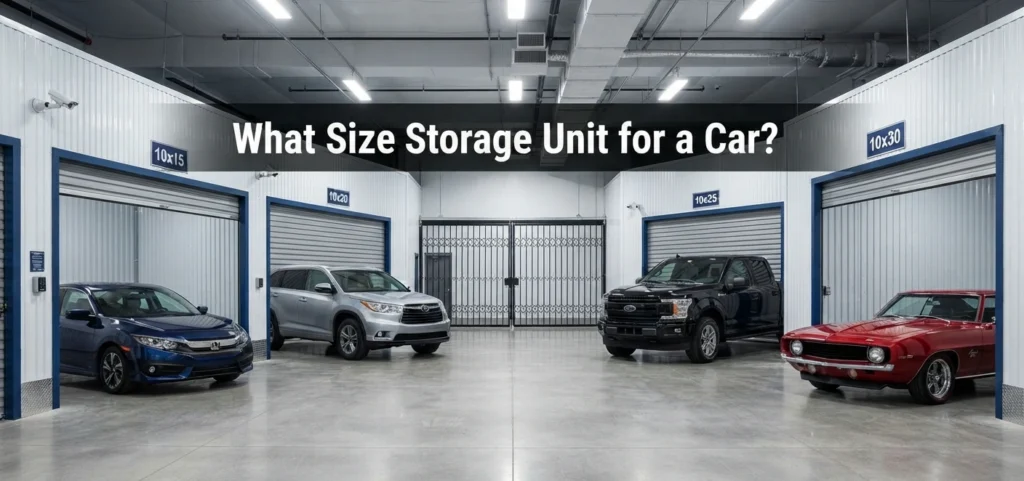
- Vehicle or fleet parking
Renting instead of buying frees up capital for actual business growth. You avoid property taxes, maintenance costs, and the risk of owning space you might outgrow.
What Size Warehouse Does Your Business Actually Need?
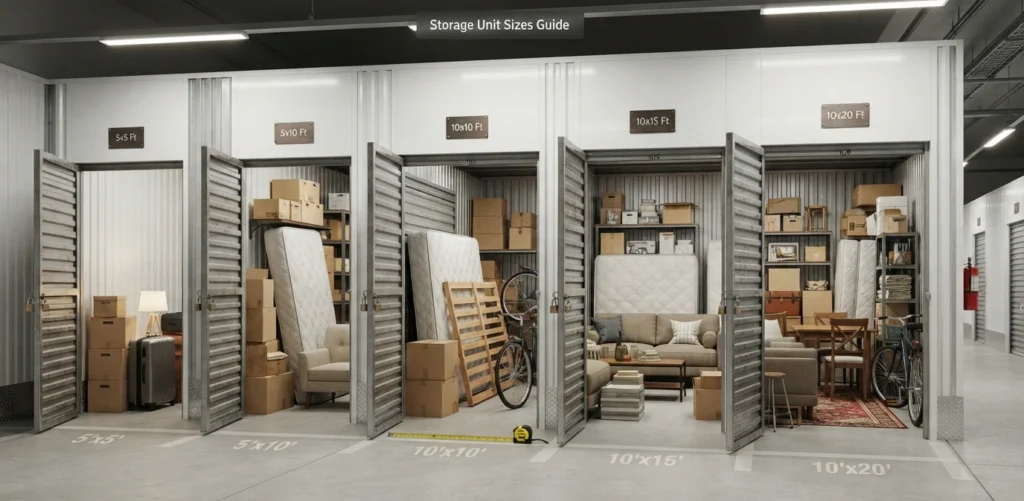
Most small businesses start with 500 to 1,500 square feet. That range fits pallets, shelving units, and light equipment without wasted space.
If you’re storing bulk product or machinery, look at industrial storage units for rent that offer higher ceilings and wider loading doors. Measure your current inventory footprint, then add 20% extra room for growth before signing anything.
Key Features to Check Before Renting Commercial Storage Units
Not every facility offers the same value. Compare these features side by side before committing to a lease.
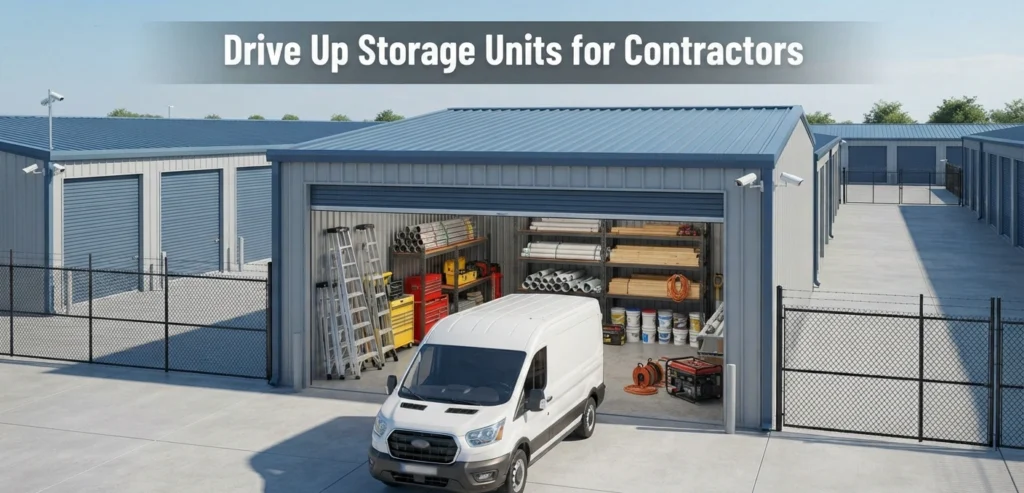
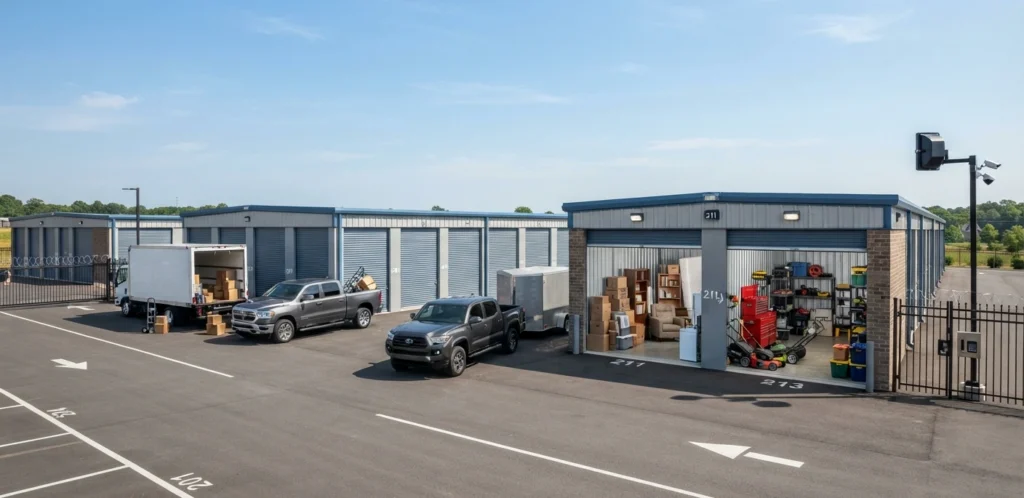
- Drive-up or dock access: Saves time loading and unloading heavy items
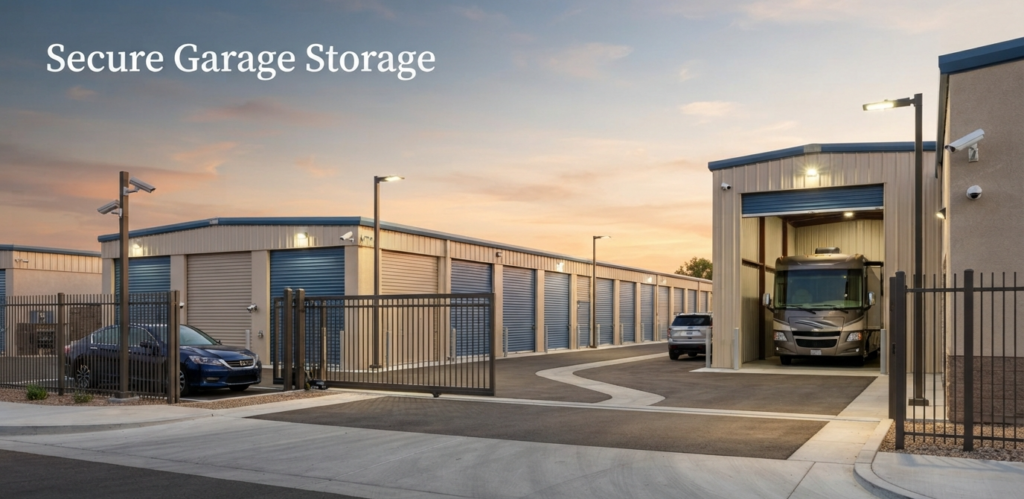
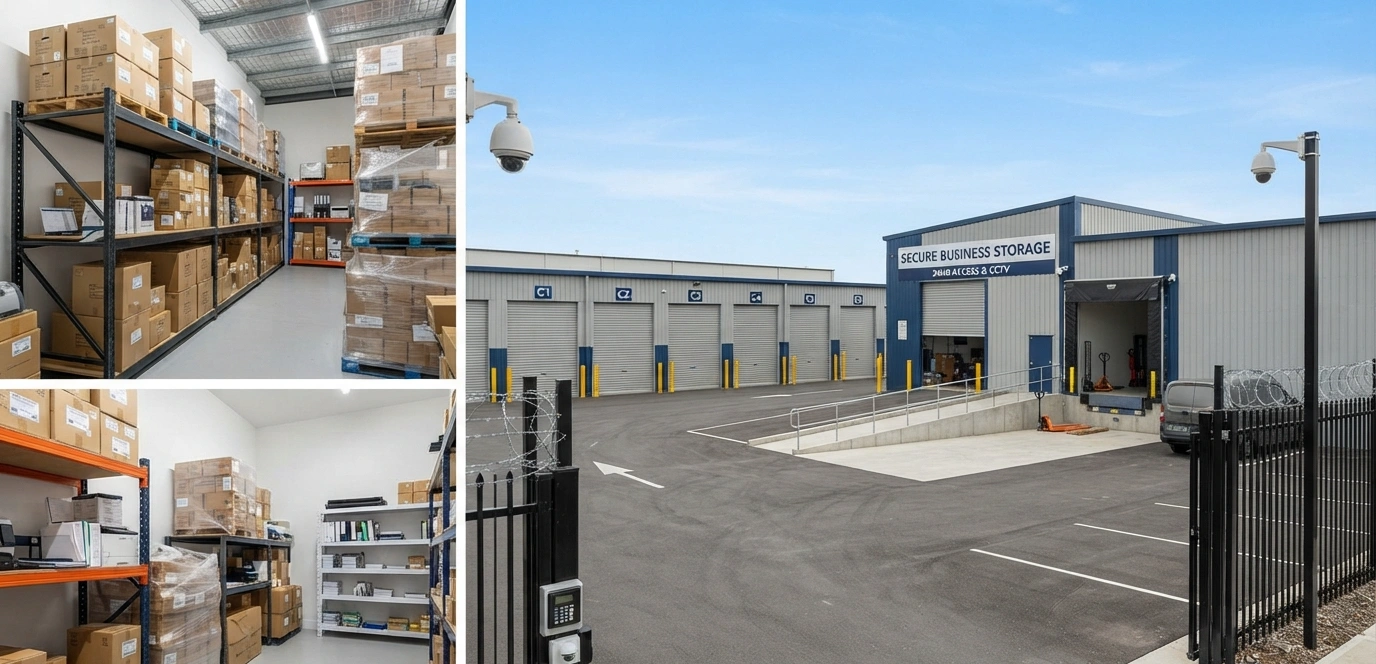
- 24/7 surveillance and gated entry: Protects inventory from theft
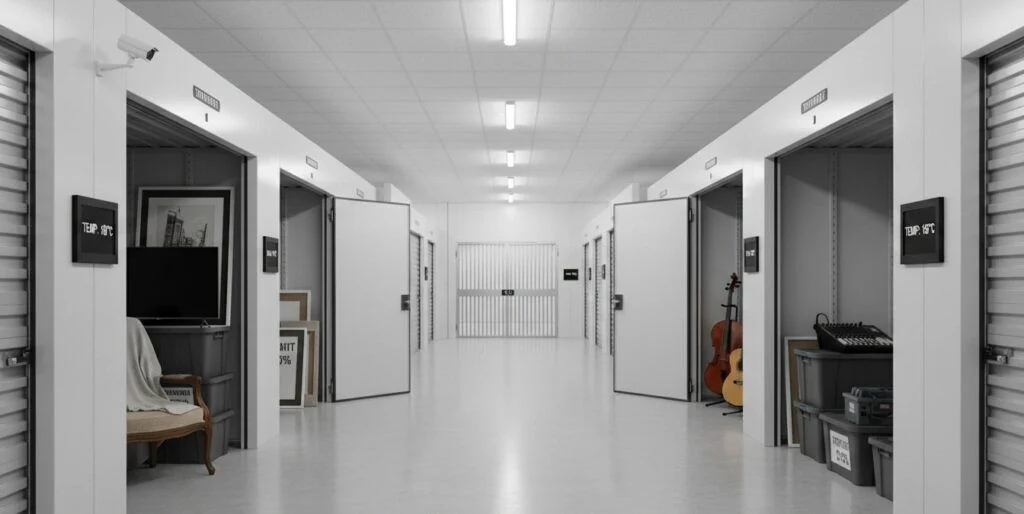
- Climate control: Necessary for electronics, paper goods, or perishable stock
- Flexible lease terms: Month-to-month beats a rigid annual contract for new businesses
- Loading equipment on-site: Dollies, pallet jacks, or forklifts save labor costs
Is Climate Control Necessary for Business Storage?
Yes, climate control matters if you store electronics, paper records, artwork, or temperature-sensitive products. Without it, humidity and heat can warp materials or damage inventory over time, especially in regions with hot summers or high moisture levels.
Local Storage Market Considerations Businesses Overlook
Regional weather, zoning laws, and traffic patterns all affect which facility works best. A warehouse near major highways or industrial zones cuts down delivery and pickup time significantly.
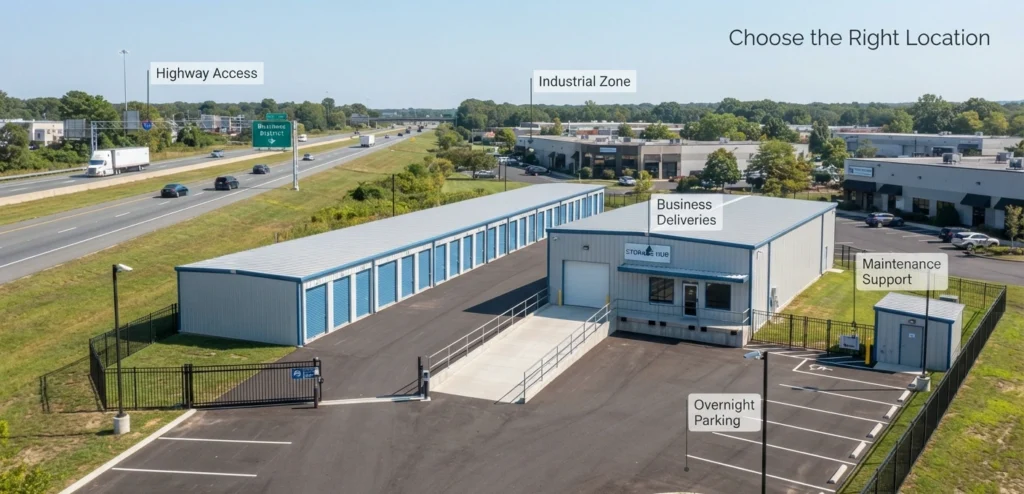
Check local zoning restrictions before renting if you plan to run any operations from the unit itself, not just store items. Some cities restrict business activity inside storage facilities, even if the lease allows storage use.
Ask your local facility these questions:
- Do you allow business deliveries during off-hours?
- Is there overnight parking for company vehicles?
- What’s the average response time for maintenance requests?
If you’re ready to compare local options, you can rent affordable storage space in Farmington, MO that matches your business size and budget without overpaying for unused square footage.
Lease Terms That Protect Small Business Owners
Read every lease line before signing. Hidden fees and auto-renewal clauses catch new business owners off guard more often than any other issue.
Watch for these lease red flags:
- Automatic annual renewal with no opt-out window
- Rate increases without advance written notice
- Vague insurance or liability language
- No written policy on access hour changes
A fair lease spells out rent increases, notice periods, and what happens if you need to downsize or expand mid-contract. Ask for everything in writing, even if a manager gives you a verbal promise.
Should You Choose Month-to-Month or Annual Leasing?
Month-to-month leasing works best for new or seasonal businesses still figuring out their space needs. Annual contracts often come with lower rates but lock you into a size and location that might not fit six months from now.
Security Standards for Industrial Storage Units for Rent
Heavy equipment and bulk inventory need stronger protection than a typical storage locker. Facilities storing industrial goods should have layered security, not just a padlock on a roll-up door.
Minimum security features to look for:
- Individual unit alarms
- Perimeter fencing with controlled gate access
- On-site staff or regular patrol checks
- Video recording with at least 30 days of storage
Facilities that skip these basics put your inventory and equipment at unnecessary risk. Don’t settle for a location that only offers a single lock and a shared entry gate.
Steps to Rent the Right Warehouse Space Fast
- List your storage needs: item type, size, and access frequency
- Set a budget range including insurance and admin fees
- Tour at least two facilities before deciding
- Confirm lease flexibility and cancellation terms
- Check access hours match your delivery schedule
Following this order prevents rushed decisions that lead to costly mid-lease changes. Most business owners regret skipping the in-person tour more than any other step.
Working with a trusted provider like Dhighway Storage simplifies this process since their team helps match business size and budget to the right unit type from the start.
FAQs
How Much Does a Small Storage Warehouse for Rent Cost Monthly?
Monthly rates typically range from $0.50 to $2.00 per square foot depending on location, climate control, and access hours. A 1,000 square foot unit averages between $500 and $2,000 per month in most metro areas.
Can I Run My Business Out of a Rented Storage Warehouse?
No, most storage facilities restrict daily business operations like customer visits or manufacturing inside the unit. They’re designed for storage, staging, and light loading activity, not full-time commercial use.
What’s the Difference Between Commercial Storage Units and Industrial Storage?
Commercial storage units suit smaller inventory, documents, and retail overflow, while industrial storage units for rent handle heavy machinery, bulk pallets, and larger equipment. Size, ceiling height, and loading access are the main differences between the two.
Do I Need Insurance for a Rented Warehouse Unit?
Yes, most facilities require proof of liability insurance before move-in, and it protects your inventory against damage, theft, or unexpected events the facility’s policy might not cover.
Conclusion
Picking the right small storage warehouse for rent comes down to matching your actual business needs, not just grabbing the cheapest unit available. Size, security, lease flexibility, and location all play a direct role in how smoothly your operations run day to day. Businesses that skip proper research often end up paying for wasted space or dealing with restrictive contracts. Taking the time to compare a few local options upfront saves money and stress months down the road.
Your storage decision affects cash flow, inventory safety, and how efficiently your team can access what they need. A facility with flexible terms and strong security features gives your business room to grow without unnecessary risk. Local market knowledge, combined with a clear checklist, makes the entire search process faster and more accurate. Start with your specific size and access requirements, then narrow down facilities that check every box on your list.