
Why Do Most Contractors Prefer Drive Up Storage Units for Work?
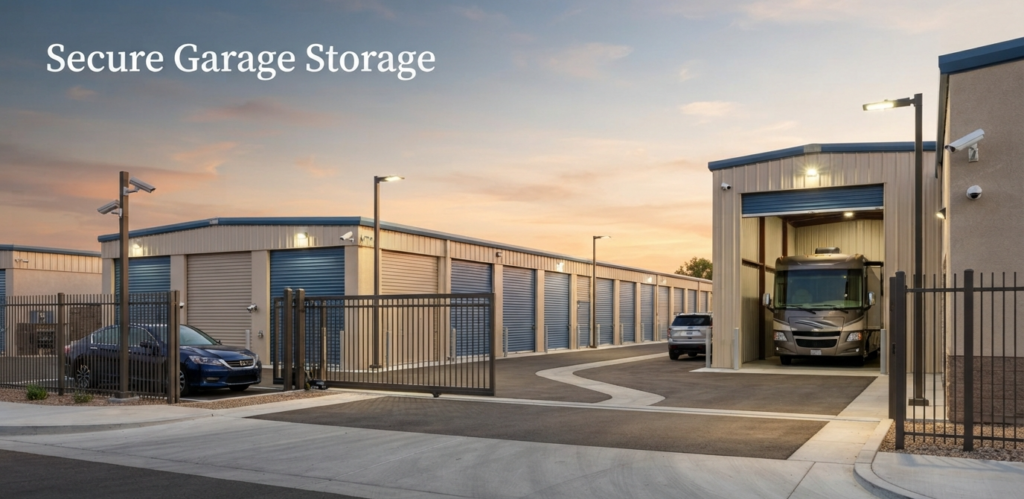
Drive up storage units give contractors direct vehicle access to their unit door, cutting load and unload time by nearly half compared to indoor units. This matters because job sites change daily, and gear needs to move fast without hauling it through long hallways or elevators. Most contractors juggle tools, materials, and tight schedules, so every wasted minute costs money. A drive up storage setup solves that problem by putting the truck bed right next to the unit.
Farmington-area contractors face an added challenge: seasonal weather swings that make outdoor job sites unpredictable. Storing equipment close to home base means less driving time between job sites and supply runs. This is why demand for storage drive up access has grown steadily across trade businesses in the region. The rest of this guide breaks down exactly why this storage style works so well for working professionals.
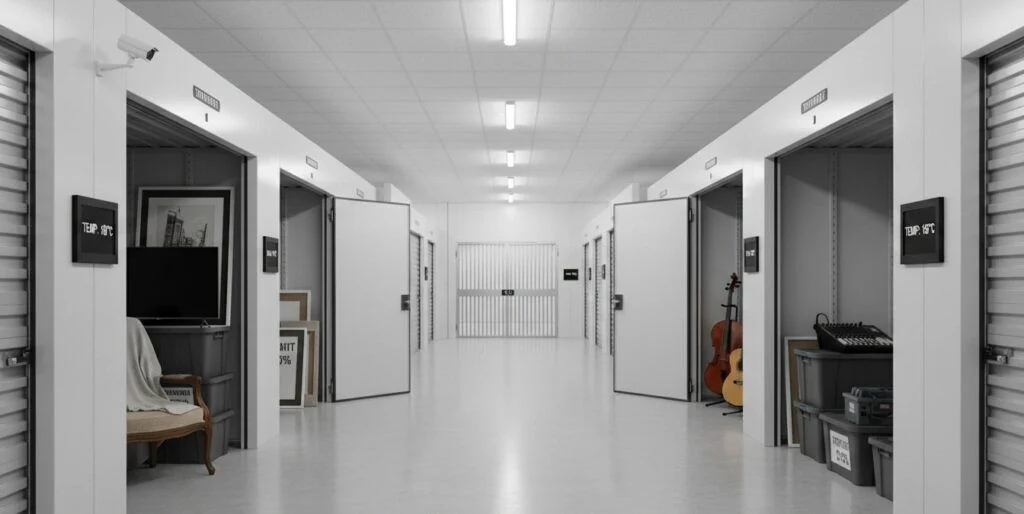
Drive Up vs Indoor Storage Units
| Feature | Drive Up Storage | Indoor Storage |
| Vehicle access | Direct, at unit door | Requires hallway/elevator |
| Load/unload speed | Fast (minutes) | Slower (10-20 min avg) |
| Best for | Tools, ladders, lumber, equipment | Furniture, documents, fragile items |
| Weather exposure | Brief, during transfer | None |
| Ideal user | Contractors, tradespeople | Homeowners, long-term storage |
| Access hours | Often extended or 24/7 | Standard business hours |
| Monthly cost | Generally lower | Generally higher |
What Makes Drive Up Self Storage Ideal for Job Site Gear
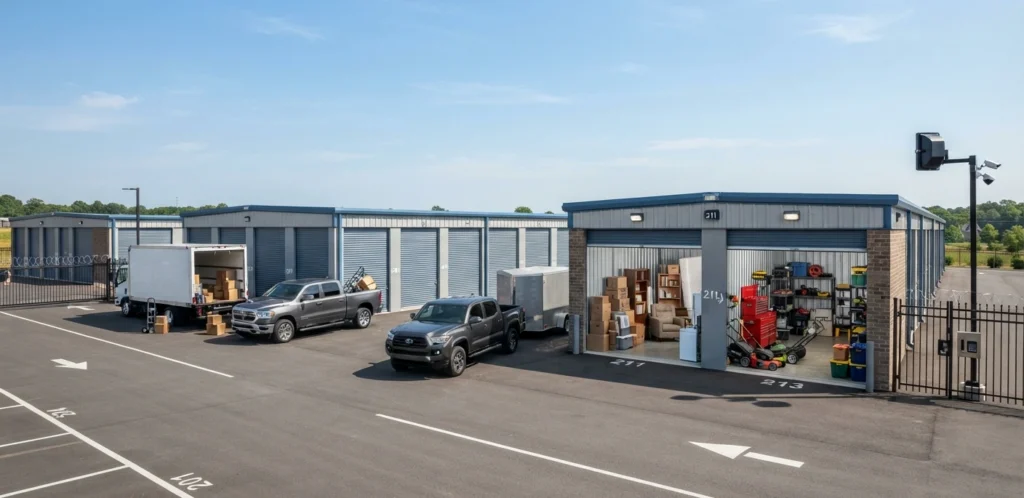
Contractors carry heavy, bulky items daily. Drive up self storage units let trucks and trailers pull directly alongside the unit, so there’s no need to carry a ladder or lumber stack through a building.
This setup protects backs and knees too. Fewer steps between the vehicle and the unit means fewer repetitive strain injuries over a work season.
Trade professionals also deal with unpredictable schedules. A plumber called out for an emergency job can’t afford to spend twenty minutes navigating a warehouse hallway with a toolbox in hand.
Faster Load Times Mean More Billable Hours
Every minute spent walking gear through hallways is a minute not spent on the job. Drive up access shaves real time off daily routines, which adds up across a full month of work.
Multiply that saved time across a crew of three or four workers, and the labor savings become significant. Many contractors report saving several hours a week just from faster equipment turnover.
Built for Trailers and Oversized Equipment
Standard indoor units often can’t fit trailers, generators, or scaffolding. Drive up units are sized to handle oversized gear without disassembly.
This matters most for landscapers and excavation crews who move mowers, tillers, and small skid steers between jobs. Breaking down equipment just to fit it through a doorway wastes both time and effort.
Storage Drive Up Access Solves Real Contractor Problems
Tradespeople don’t work on a 9-to-5 clock. Jobs run early morning or late evening depending on deadlines and weather windows.
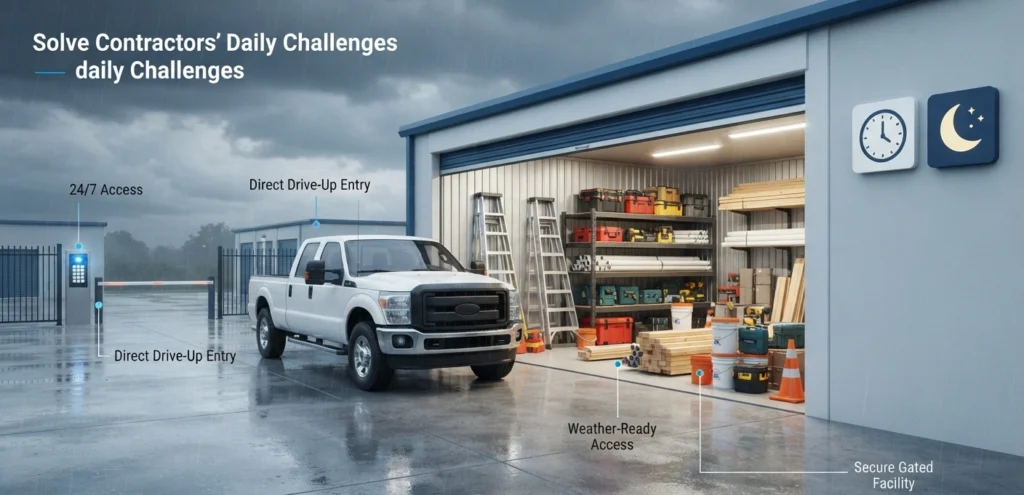
Storage drive up facilities often offer extended access hours, so contractors aren’t locked out when a job runs long. This flexibility matters most during peak construction seasons.
Weather delays are another common issue. A rained-out job site often means loading materials back into storage the same afternoon, which only works smoothly with direct drive up access.
Storing Materials Close to the Job Reduces Fuel Costs
Driving back and forth to a distant warehouse burns fuel and time. Local drive-up storage in Farmington keeps material running short, which trims overhead on every project.
Fuel costs add up fast for contractors running multiple trucks. Cutting even ten miles off a daily supply run can save real money across a busy season.
Security Features That Protect Business Investments
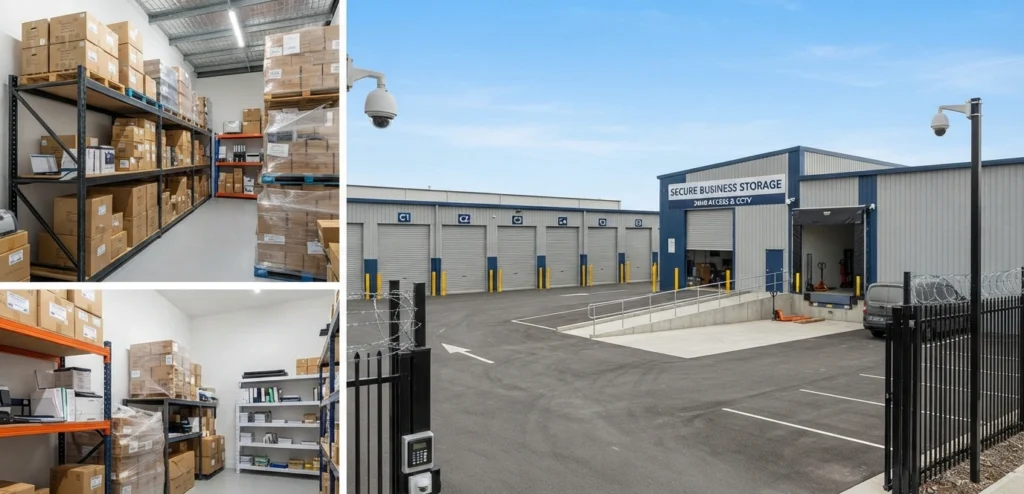
Power tools and equipment represent thousands of dollars in business assets. Look for units with:
- Individual door alarms
- Gated property access
- On-site video monitoring
- Well-lit driving lanes
- Perimeter fencing
Theft is a real concern for trade businesses, and stolen tools often mean delayed projects on top of replacement costs. A secure facility protects both the equipment and the schedule.
Local Storage Needs for Farmington Contractors
Farmington’s mix of residential remodels, seasonal landscaping, and small commercial builds means contractors need flexible unit sizes. A roofer’s needs differ from an electrician’s, and storage should scale with the trade.
Regional weather also plays a role. Winter freezes and spring runoff can damage exposed materials, so covered, drive-up access units protect inventory better than open lots.
Local road access matters too. Facilities near main routes through Farmington cut down travel time between the storage yard and scattered job sites across the county.
How to Choose the Right Unit Size for Tools and Materials
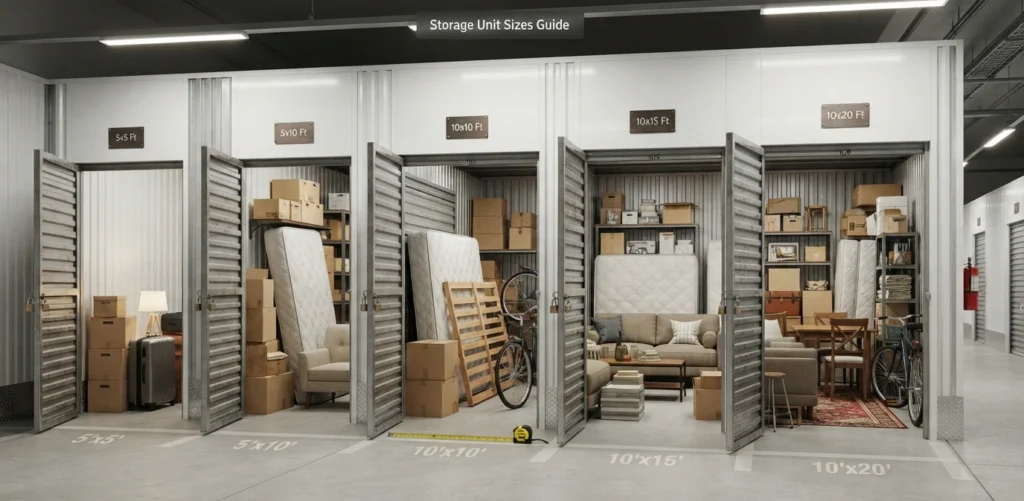
Picking the wrong size wastes money or space. A storage calculator helps estimate square footage based on the actual equipment list, avoiding guesswork.
Contractors who overestimate pay for unused space every month. Those who underestimate end up renting a second unit, which adds unnecessary cost and complexity.
What Size Drive Up Unit Do Most Contractors Need?
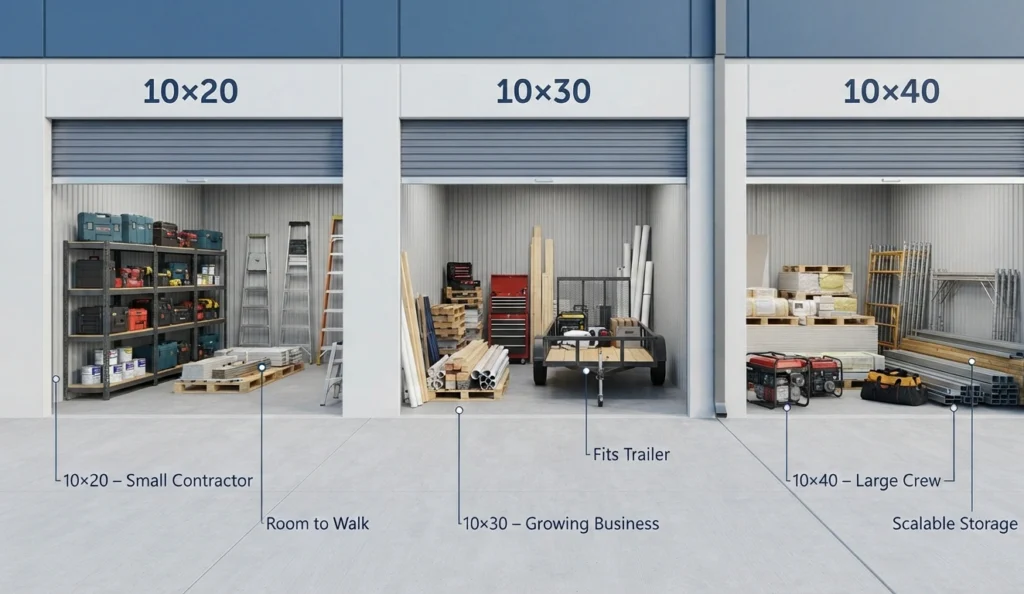
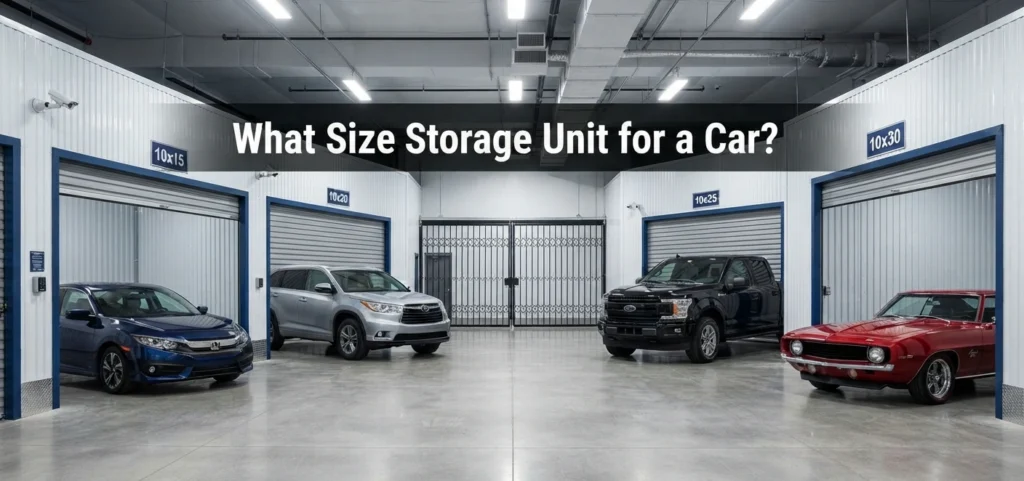
Most small contracting businesses use a 10×20 or 10×30 unit. This size fits ladders, power tools, pallets of material, and even a small trailer with room to walk around.
Larger crews running multiple trucks sometimes need a 10×40 unit or two smaller units side by side. Sizing depends heavily on how much inventory sits idle between jobs.
Can You Store a Work Trailer in a Drive Up Unit?
Yes, many drive up facilities offer oversized units specifically built for trailers, box trucks, and equipment haulers, as long as dimensions are confirmed with the facility beforehand.
Getting Started With Contractor Storage
Setting up storage shouldn’t take longer than setting up a job site. Most facilities let contractors handle the entire process online without an in-person visit.
Paperwork delays used to be the biggest complaint among trade professionals renting storage. Digital reservations have mostly solved that problem.
Steps to Reserve a Unit Fast
- Check available sizes near the job site
- Confirm drive up access hours
- Review security features
- Complete the reservation
- Move gear in the same day
Contractors ready to move forward can simply rent a storage unit online in a few minutes, skipping the paperwork delays common with traditional storage.
Why D-Highway Storage Fits Contractor Schedules
Local trade professionals need a facility that understands job site chaos. D Highway Storage offers unit sizes built around real contractor loadouts, not generic household boxes.
Facilities positioned near main routes also cut commute time between the yard and active job sites. That location advantage alone can save contractors several hours a week during busy seasons.
Beyond location, month-to-month leasing gives contractors flexibility that long-term commercial warehouse leases don’t offer. Seasonal trades especially benefit from scaling storage up or down based on workload.
FAQs
Is Drive Up Storage Cheaper Than Indoor Units?
Yes, drive up units typically cost less per square foot than climate-controlled indoor units because they require less infrastructure to maintain.
Do Drive Up Units Have Climate Control?
Some facilities offer climate-controlled drive up options, but standard drive up units usually don’t. Contractors storing sensitive electronics or finishes should confirm this before booking.
How Fast Can I Access My Unit After Renting?
Most facilities activate access codes the same day payment clears. This means contractors can move gear within hours of signing up.
Are Drive Up Units Safe for Expensive Power Tools?
Yes, gated access, individual alarms, and video surveillance make drive up units a secure option, though contractors should still use their own locks for added protection.
Conclusion
Choosing the right storage setup directly affects daily efficiency on any job site. Drive up storage units remove the friction of hauling gear through hallways, protect equipment from theft, and keep material costs predictable across a busy work season. Farmington contractors specifically benefit from local access points that cut down drive time between supply runs and active projects. The right unit size, paired with strong security features, turns storage from an afterthought into a real productivity tool.
Trade businesses that treat storage as part of their operations plan tend to finish jobs faster and spend less on wasted fuel or damaged materials. A quick size check, a review of access hours, and a look at security features are enough to make a confident decision. Contractors who prioritize speed and location will find drive up access pays for itself within the first few months. Getting started takes only a few minutes online, with no need to disrupt an already tight work schedule.