Preparing Your Summer Gear: 5 Essential Tips for Fall and Winter
As summer ends, storing your items properly is essential to keep them safe and in good condition. Preparing your summer gear ensures that outdoor furniture, sports equipment, and camping supplies remain protected from moisture, dust, and damage. Simple steps like cleaning, drying, and using the right storage containers make the process much easier. Taking the time now saves frustration and costly repairs later.
Organizing your items efficiently helps you find what you need quickly when the next season arrives. Labeling bins and grouping similar items together keeps everything neat and accessible. Using breathable containers for clothing and protective covers for furniture prevents mildew and other damage. Regularly checking stored items also ensures they stay in top condition throughout the colder months.
Considering storage solutions that match the size and type of your items maximizes space and protection. Seasonal items like winter clothing and holiday decorations should be stored in a way that keeps them easy to access. Climate-controlled options are ideal for delicate items prone to humidity or temperature changes. With proper preparation, your home remains organized, and your summer gear stays safe for years to come.
1. Thoroughly Clean and Dry Everything
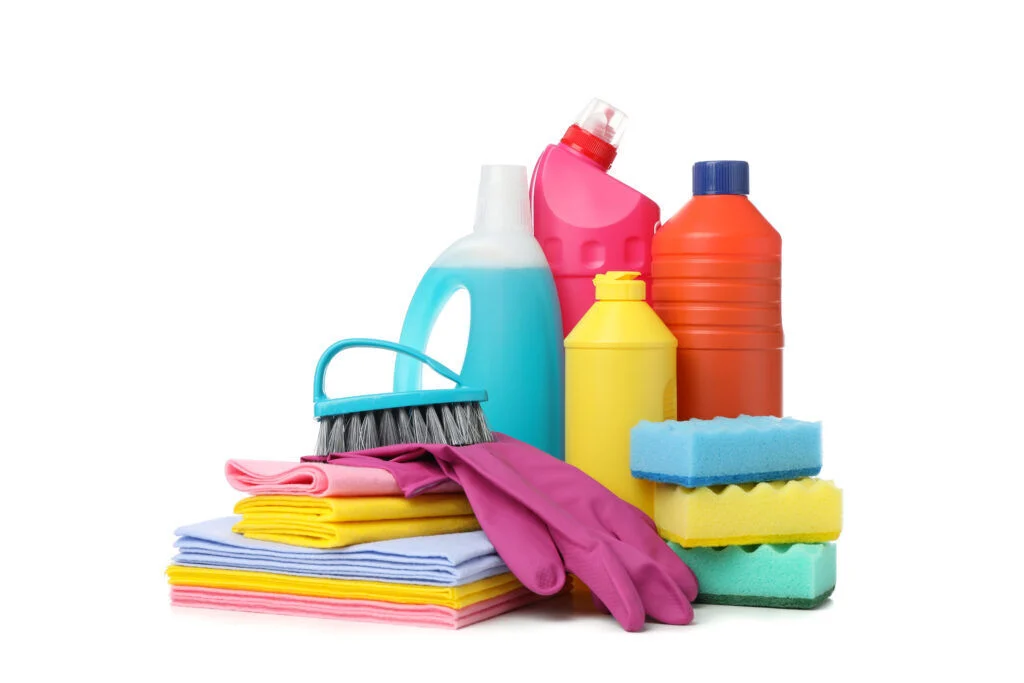
Properly preparing your summer gear starts with cleaning and drying each item to protect it from damage. Taking the time to inspect all items ensures longevity and prevents costly repairs. This careful process keeps your gear in top condition until the next season.
Sports & Camping Gear: Dry all equipment thoroughly before packing to prevent mold and mildew. Check for any damage or wear and repair items as needed. Storing gear properly ensures it is ready and safe for the next summer season.
Outdoor Furniture: Wipe down all surfaces with a mild cleaner and remove any dirt or stains. Make sure cushions are completely dry before storing to prevent mildew growth. Using protective covers adds an extra layer of safety for dust and moisture.
Gardening Tools: Remove all soil and debris from tools to avoid rust or deterioration. Apply a light coat of protective oil to metal parts that may rust. Store tools in a dry, ventilated area to keep them in good working condition.
2. Use the Right Storage Containers
Choosing the right storage containers keeps your summer gear safe and organized. Proper containers prevent moisture, dust, and damage to your items. Using suitable bins or covers also makes it easier to retrieve items when needed.
- Clothing: Store summer clothes in breathable garment bags or ventilated plastic bins. Avoid airtight plastic bags because they trap moisture and can cause mildew. Proper storage keeps fabrics fresh and prevents odors.
- Furniture & Equipment: Protect outdoor furniture and larger items with waterproof covers or sturdy storage bins. This prevents damage from dust, pests, or humidity. Durable containers ensure your equipment stays in good condition throughout the season.
- Special Gear: Fragile or temperature-sensitive items like electronics, antiques, or delicate fabrics should be stored carefully. Climate-controlled storage is ideal for these items to prevent warping or moisture damage. Using the right container adds an extra layer of protection.
Using proper storage containers not only keeps items organized but also extends their lifespan. Clear labels or see-through bins make it easy to identify contents at a glance. Grouping similar items together further improves accessibility. Taking these precautions saves time and protects your investments. For more convenience, you can rent a storage unit to safely store all your seasonal gear.
3. Organize and Label Smartly
Proper organization makes storing summer gear easier and saves time when retrieving items. Efficient labeling helps you quickly identify contents without searching. Grouping similar items together prevents clutter and keeps your storage space neat.
- Clear Bins: Using transparent bins allows you to see what is inside at a glance. This saves time when looking for specific items. Clear containers also reduce the risk of forgetting stored items.
- Category Grouping: Keep similar items together, such as gardening tools in one bin and sports equipment in another. Grouping by category makes finding items faster. It also ensures that items are stored safely and logically.
- Labels: Permanent labels on bins or boxes help in locating items next season. Labels make storage more organized and reduce confusion. Using consistent labeling also improves accessibility for everyone in the household.
Properly preparing your summer gear goes beyond cleaning and drying; organizing and labeling ensures everything stays in order throughout the off-season. You can easily access items when needed without disturbing other stored items. This method keeps your storage space efficient and clutter-free. Consistent organization makes seasonal transitions stress-free and smooth.
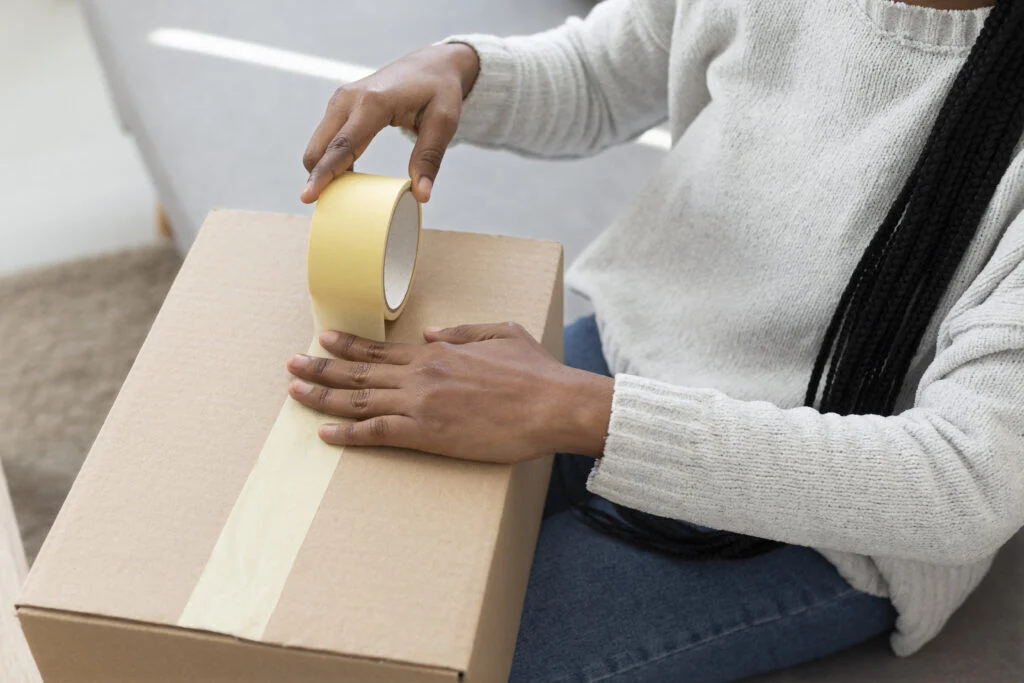
4. Prepare for Fall and Winter
As summer items are stored, preparing for fall and winter makes seasonal transitions easier. Storing winter gear properly ensures it is ready when the colder months arrive. Efficient preparation reduces stress and saves time. Planning ahead protects both summer and winter items.
- Winter Clothing: Clean jackets, boots, and scarves before storing them. Place them in accessible areas for easy retrieval. Proper storage keeps clothing fresh and ready for use. You can also calculate the right storage space to ensure all items fit comfortably.
- Holiday Items: Organize decorations in labeled bins to avoid last-minute chaos. Clear bins or color-coded labels make holiday items easy to find. This method saves time and keeps decorations in good condition.
- Seasonal Tools: Keep fall and winter gardening tools in a separate, organized space. This ensures they are ready when needed. Storing tools properly prevents rust and damage during the off-season. Consider using climate-controlled units for items sensitive to temperature and humidity.
Properly preparing for fall and winter while storing summer gear ensures that your home stays organized year-round. You can easily find what you need for the upcoming season. Seasonal transitions become smoother and less stressful. Taking these steps protects your belongings and saves time throughout the year.
5. Consider Climate-Controlled Storage
Storing delicate or temperature-sensitive items requires extra care. Extreme temperature changes or high humidity can damage fabrics, electronics, and antiques. Using climate-controlled storage reduces these risks and keeps items safe. Proper storage ensures your belongings remain in excellent condition.
Delicate Fabrics: When preparing your summer gear, store delicate fabrics like silk, wool, or other sensitive textiles in climate-controlled environments. This prevents mildew, fading, and fiber damage. A stable climate keeps clothing and textiles in top condition for years. Consider using secure storage solutions to protect all your valuable items during the off-season.
Electronics: Keep electronics in climate-controlled units to avoid heat or moisture damage. Temperature fluctuations can cause malfunctions or shorten their lifespan. Climate control maintains a stable environment for sensitive devices.
Antiques & Collectibles: Valuable antiques or collectibles are prone to warping, cracking, or mold in fluctuating temperatures. Climate-controlled storage helps maintain their condition. Proper storage protects your investments from environmental damage.

FAQs
What is the best way to store summer clothing?
Store summer clothes in breathable garment bags or ventilated bins. Avoid airtight bags to prevent moisture and mildew. Properly folding and labeling clothing makes it easy to retrieve next season.
How should outdoor furniture be prepared for winter storage?
Clean all surfaces thoroughly and dry cushions completely to prevent mold. Cover furniture with waterproof covers or store in a dry unit. Proper protection ensures durability for the next summer.
Can sports and camping gear be damaged if not stored correctly?
Yes, moisture, dust, and improper storage can lead to mildew, rust, or wear. Dry and inspect each item before storing. Using suitable bins and protective covers prevents long-term damage.
Why is climate-controlled storage important for sensitive items?
Temperature-sensitive items like electronics, antiques, or delicate fabrics can warp, rust, or develop mold. Climate-controlled units maintain stable temperature and humidity. This protection keeps valuable items safe during off-seasons.
How can labeling and organizing bins improve storage efficiency?
Labeling clearly identifies contents, saving time when searching for items. Grouping similar items together prevents clutter. This approach ensures smooth seasonal transitions and easy access to stored gear.
Should winter preparation be done while storing summer gear?
Yes, preparing winter clothing and seasonal tools alongside summer items makes transitions easier. Store jackets, boots, and holiday decorations in accessible, organized bins. This reduces stress and ensures readiness for colder months.
Conclusion
Proper preparing your summer gear ensures all items stay safe and in excellent condition. Cleaning, drying, and using the right storage containers protects belongings from moisture, dust, and damage. For additional inspiration on seasonal storage and style tips, you can check out this helpful discussion on Reddit. Organizing and labeling items saves time and keeps your storage space neat.
Preparing for fall and winter alongside storing summer gear makes seasonal transitions stress-free. Climate-controlled storage offers extra protection for delicate and valuable items. Following these steps keeps your home organized and your summer gear ready for the next season.