Why Choose Drive Up Self Storage Units Over Classic Indoor Units?
Drive up self storage units give you direct vehicle access to your unit door, cutting out hallways, elevators, and carts entirely. This storage style has become the top pick for homeowners and business owners across Farmington who need fast, simple access to their belongings. Unlike traditional indoor units buried behind long corridors, a drive up setup lets you park, open your trunk, and start loading in seconds. This guide breaks down exactly why this format beats indoor storage for most renters.
Storage needs vary from person to person, and picking the wrong unit type often means wasted time, extra hassle, or higher costs down the road. Farmington residents dealing with furniture, seasonal gear, or business inventory need a setup that matches their pace of life. This article compares both formats side by side using real access patterns, cost factors, and local climate considerations. By the end, you’ll know exactly which option fits your situation.
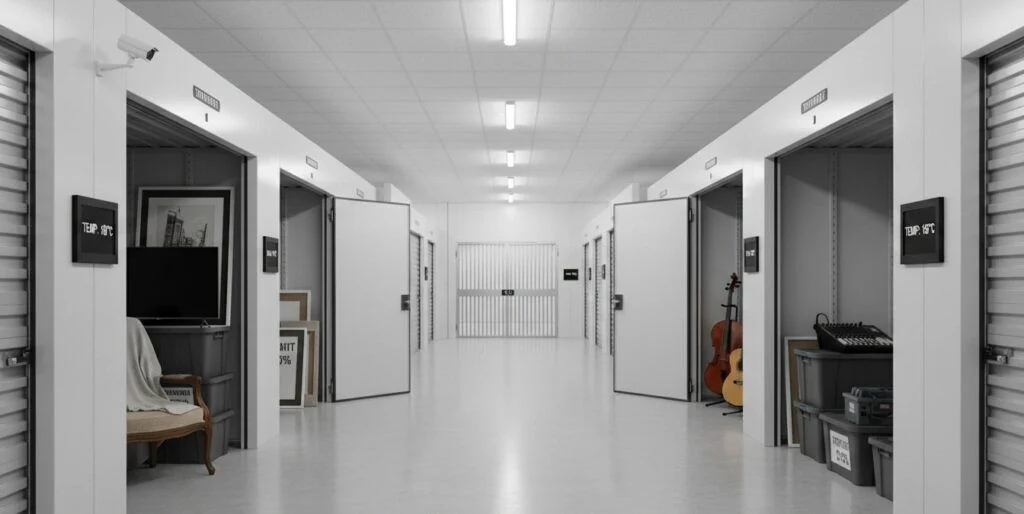
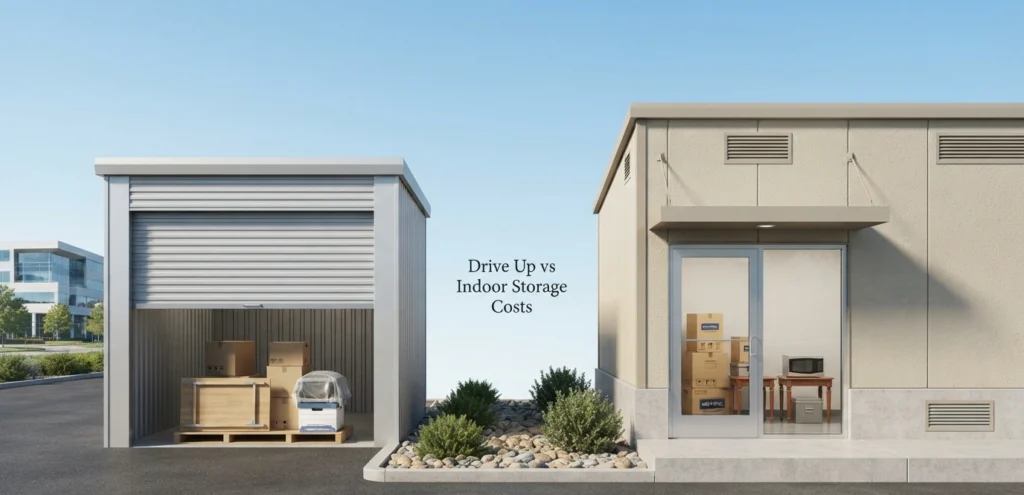
Drive Up vs Indoor Storage
| Factor | Drive Up Storage | Indoor Storage |
| Vehicle Access | Park right at your door | Requires hallway/elevator |
| Loading Speed | Fast, direct loading | Slower, multi-step process |
| Best For | Furniture, appliances, business stock | Climate-sensitive items |
| Weather Exposure | Some exposure during loading | Fully protected |
| Typical Cost | Often more affordable | Usually priced higher |
| Unit Height Fit | Great for tall/bulky items | Limited by hallway width |
What Makes Self Storage Drive Up Units Different
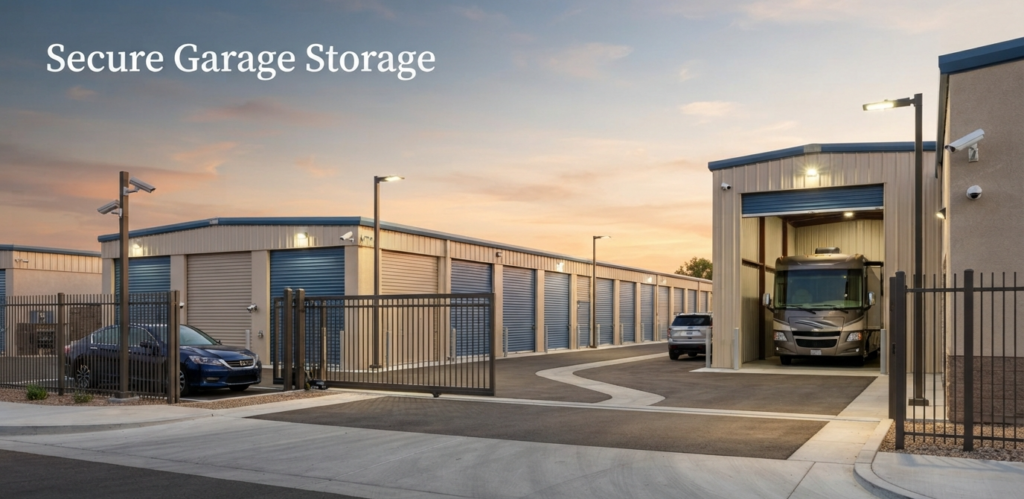
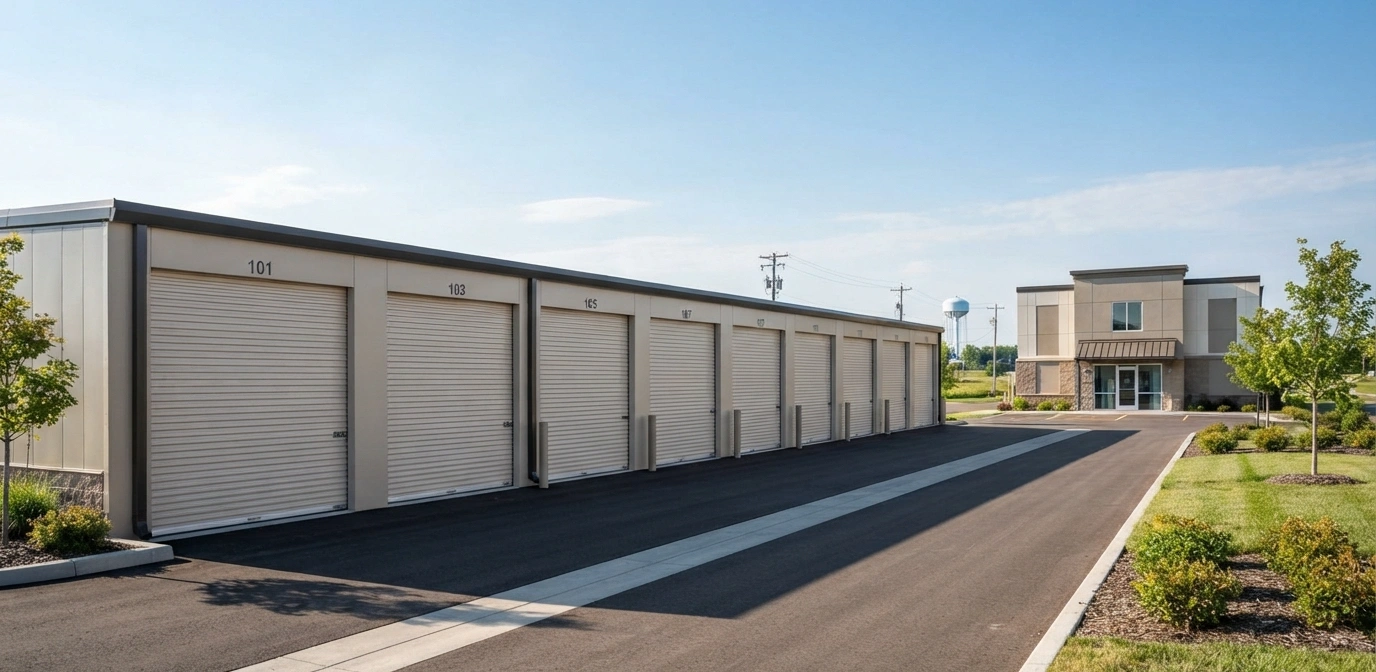
Self storage drive up units are built so your vehicle pulls directly alongside the unit entrance. There’s no elevator wait, no narrow hallway, and no need to carry heavy boxes across a building. This setup works especially well for anyone moving large furniture, mattresses, or business equipment.
Farmington’s local storage facilities have shifted toward this format because it matches how people actually move their stuff. Trucks and trailers can back straight up to the door. That single design choice removes most of the friction people associate with renting storage.
Why Location Layout Matters
A facility’s layout affects how smoothly you load and unload. Wide drive lanes, clear numbering, and ground-level access all cut down on wasted time. When you’re comparing facilities near your neighborhood, check whether the drive lanes fit trucks and trailers comfortably, not just cars.
Speed and Convenience Advantages
Loading a couch or refrigerator through a maze of hallways takes real effort. Drive up units skip that entirely. You back your vehicle up, open the unit, and start moving items in one continuous motion.
This matters most during time-sensitive moves. Movers on a tight schedule save real time with drive up access compared to hauling items through shared indoor corridors.
Key convenience factors include:
- No elevator delays during peak moving hours
- No shared hallway congestion with other renters
- Direct trunk-to-unit loading for heavy or bulky items
- Easier trailer and truck positioning right at the door
Cost Differences Between Storage Types
Indoor climate-controlled units typically cost more because they require extra insulation, HVAC systems, and building maintenance. Drive up units skip most of that overhead, which usually means lower monthly rates for renters.
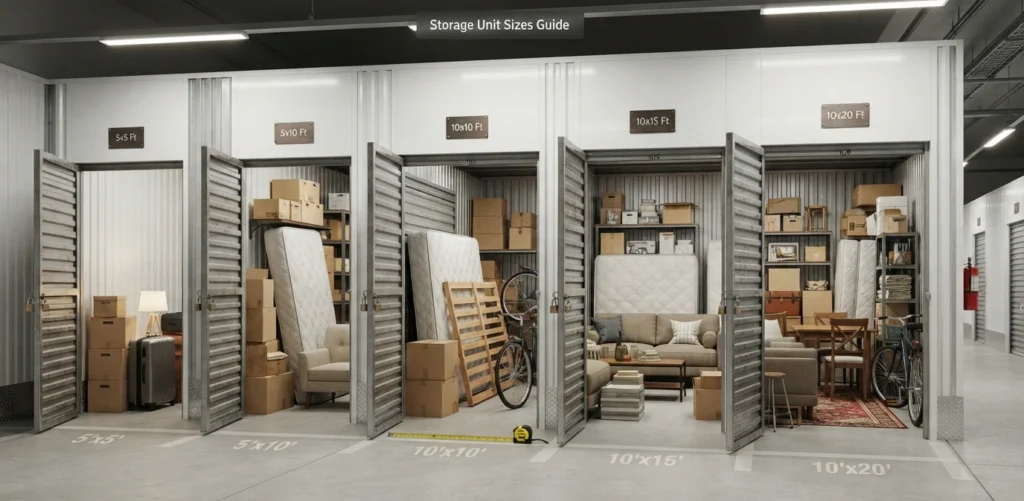
If you’re mapping out a budget before your move, the storage calculator helps you estimate the right unit size and monthly cost based on what you’re storing. Getting this number right upfront prevents overpaying for space you don’t need.
When Indoor Storage Still Makes Sense
Indoor units make sense for electronics, documents, wood furniture, or anything sensitive to temperature swings. If your items can handle brief outdoor exposure during loading, drive up storage covers nearly every other use case.
Local Climate Considerations for Farmington Renters
Farmington sees seasonal temperature shifts that affect how people store belongings. Drive up units handle most household and business goods fine, since brief loading exposure rarely causes damage. Items like paper records, musical instruments, or antique wood pieces benefit more from indoor climate control.
Before choosing a unit type, think about how long items will sit in storage and what condition they need to stay in. A few months of seasonal storage rarely requires climate control. Long-term storage of sensitive materials usually does.
Best Uses for Drive Up Self Storage Units
Drive up self storage units work well for a wide range of storage needs. Here’s a quick breakdown of ideal use cases:
- Home renovations – store furniture and appliances during remodeling
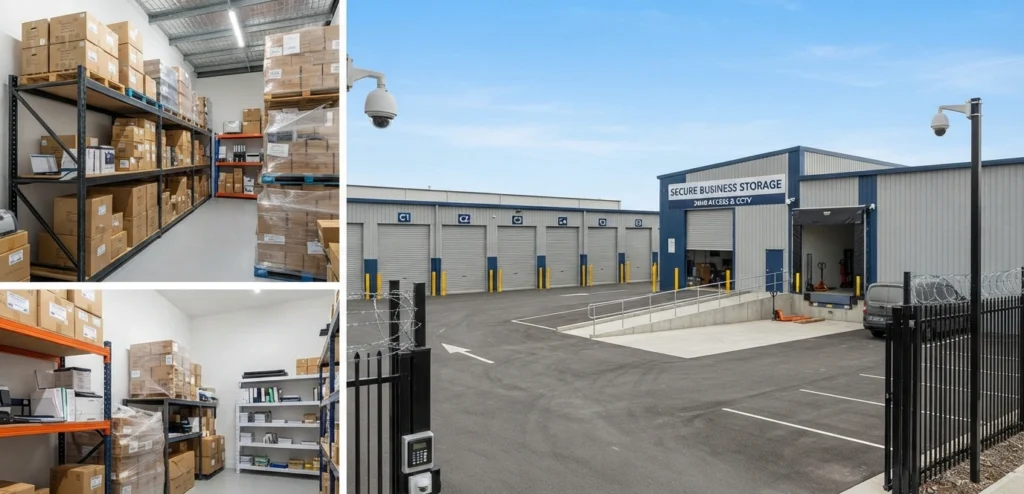
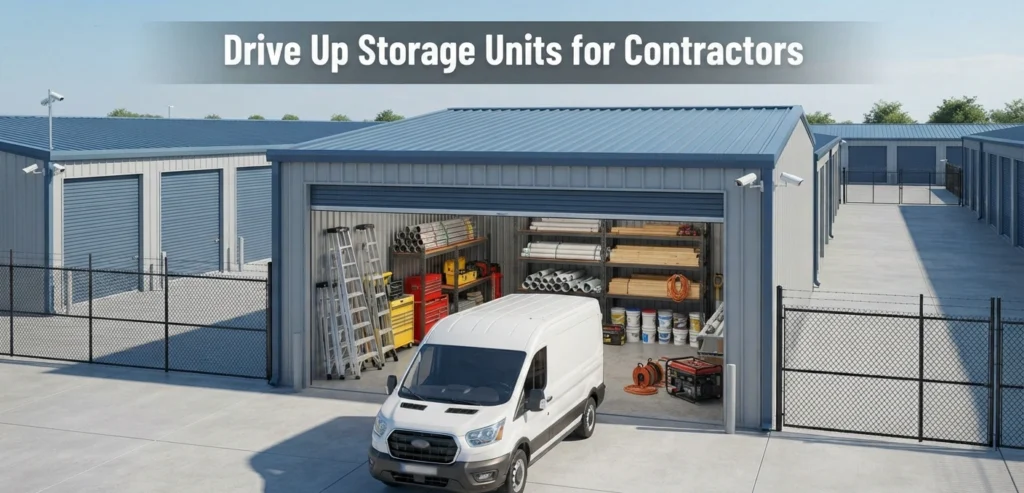
- Business inventory – restock and pull stock without hallway delays
- Seasonal gear – patio furniture, holiday decorations, sports equipment
- Moving transitions – short-term storage between homes
- Vehicle-adjacent hobbies – tools, equipment, or gear tied to trucks and trailers
Local business owners across Farmington often pick this format because it supports frequent, quick access without booking appointments or waiting for staff assistance.
Does Drive Up Access Really Speed Up Loading?
Yes. Parking directly next to your unit removes the need to carry items across a facility. For a full breakdown of how this affects your move-in day, check out this guide on what drive up access means for loading.
How to Get Started Renting a Drive Up Unit
Renting a drive up unit is a straightforward process once you know your size needs and budget. Most facilities let you reserve online, though calling ahead confirms current unit availability. If you’re ready to move forward, this walk through on how to rent a storage unit covers the full step-by-step process.
For Farmington renters specifically, choosing a drive up self storage option near Farmington means shorter drive times to your unit and faster access whenever you need it. Local placement matters just as much as unit type when speed is the goal.
FAQs
Are drive up storage units cheaper than indoor units?
Yes, drive up units typically cost less than climate-controlled indoor units because they don’t require HVAC systems or extra insulation. Monthly savings vary by facility and unit size.
Can I store furniture in a drive up unit?
Yes, furniture stores well in drive up units for most durations. For long-term storage of wood or upholstered pieces, adding moisture protection helps maintain condition.
Is drive up storage safe for electronics?
Short-term storage works fine, but electronics benefit from climate-controlled indoor units during extreme heat or cold. Brief loading exposure in drive up units generally isn’t harmful.
How do I pick the right size drive up unit?
Match your unit size to your item list using a sizing tool before booking. This prevents renting space that’s too small or paying for space you won’t use.
Conclusion
Choosing between drive up and indoor storage comes down to what you’re storing and how often you need access. Drive up self storage units fit most household moves, business restocking, and seasonal storage needs without the extra cost of climate control. Farmington renters get faster load times, simpler access, and lower monthly rates with this format. For anything sensitive to temperature, indoor storage remains the better fit.
Your next move should start with matching unit type to your actual storage habits, not just picking whatever’s available first. Drive lanes, unit height, and distance from your home all affect how smooth your experience will be. Local facilities built around vehicle access save renters real time on every visit. Once you know your size and budget, booking the right unit becomes a quick decision.