How to Evaluate a Premium Drive-Up Self Storage Facility Today?
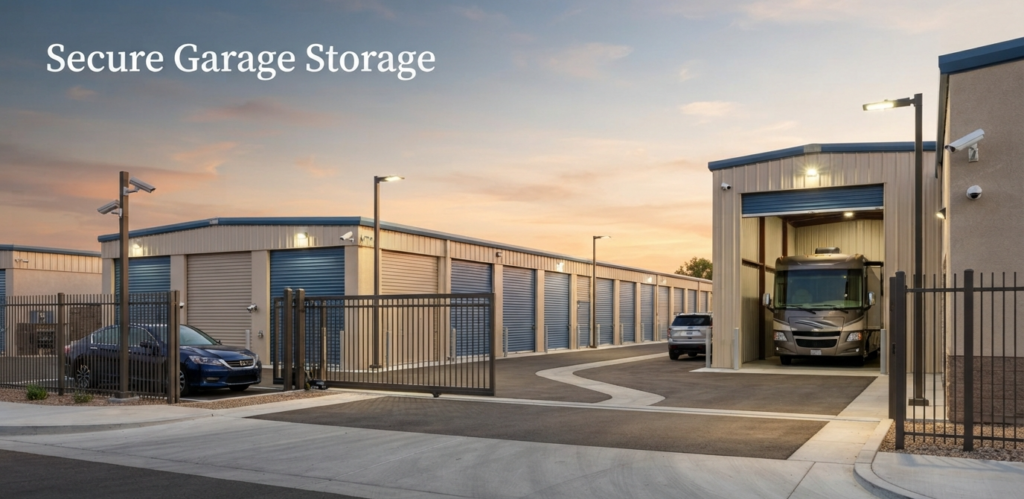
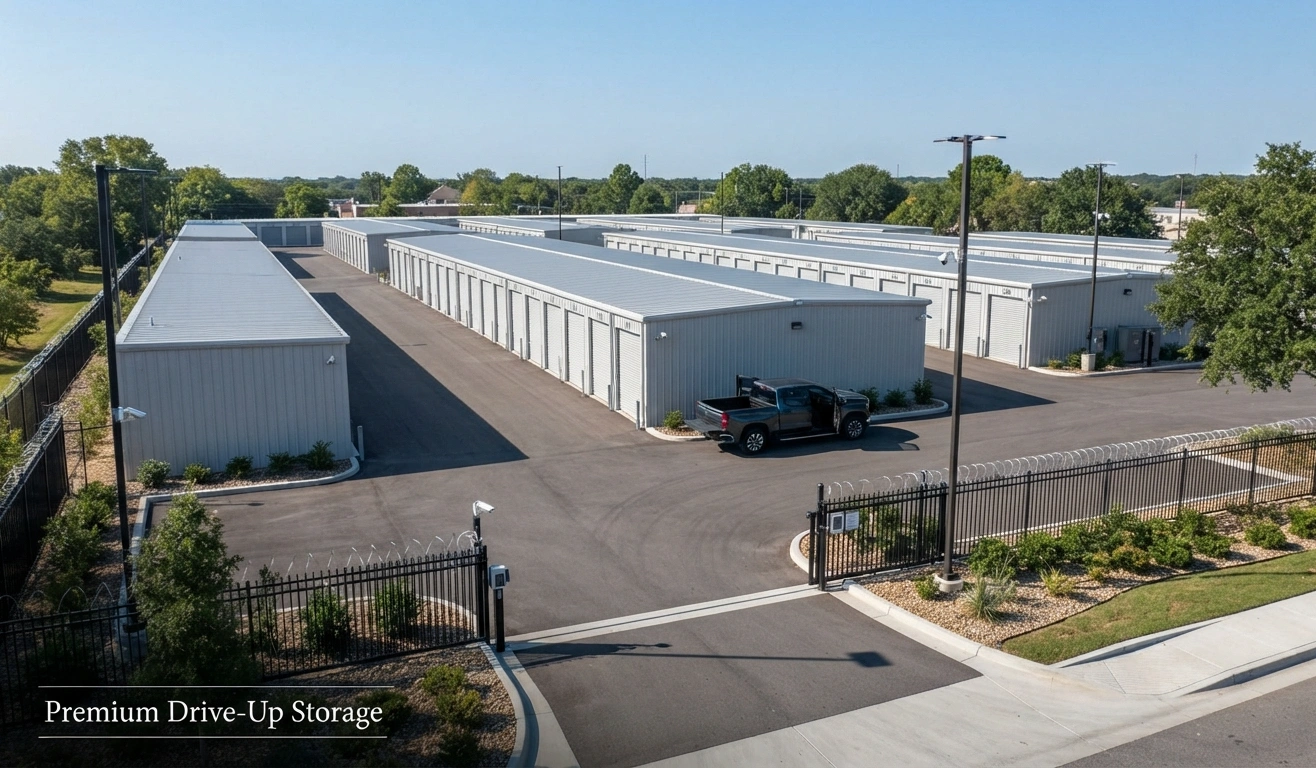
A premium drive-up self storage facility gives you a unit you can pull your car or truck right next to, so you load and unload without stairs, elevators, or long hallways. The best facilities combine wide driveways, strong security, and clean units that protect your belongings year-round. Renters in Farmington and nearby areas want speed, privacy, and easy access more than anything else. This guide breaks down exactly what separates a top-tier facility from an average one.
Picking the right unit isn’t just about size. You need to check surface drainage, gate hours, lighting, and how the staff handles day-to-day operations. Local climate and traffic patterns around your neighborhood also affect which facility works best for you. Below, you’ll find a clear breakdown of what to look for before you sign a lease.
What Separates Premium Facilities From Average Ones
| Feature | Premium Facility | Average Facility |
| Access | 24/7 keypad or app-based gate entry | Limited daytime hours only |
| Driveway width | Wide, paved, drive-up to each door | Narrow lanes, shared loading zones |
| Unit surface | Sealed concrete, elevated threshold | Cracked pavement, flood-prone floors |
| Security | Cameras at every row, on-site manager | Cameras at entrance only |
| Lease terms | Month-to-month, no long contracts | Locked-in annual terms |
| Climate protection | Weather-sealed doors and roofing | Basic metal doors, gaps at seams |
What Makes Drive-Up Units Different From Indoor Storage
Drive-up units sit at ground level with a door that opens right next to your parking spot. You back your vehicle up, roll up the door, and start loading in seconds. There’s no cart, no hallway, and no waiting for an elevator during busy weekends.
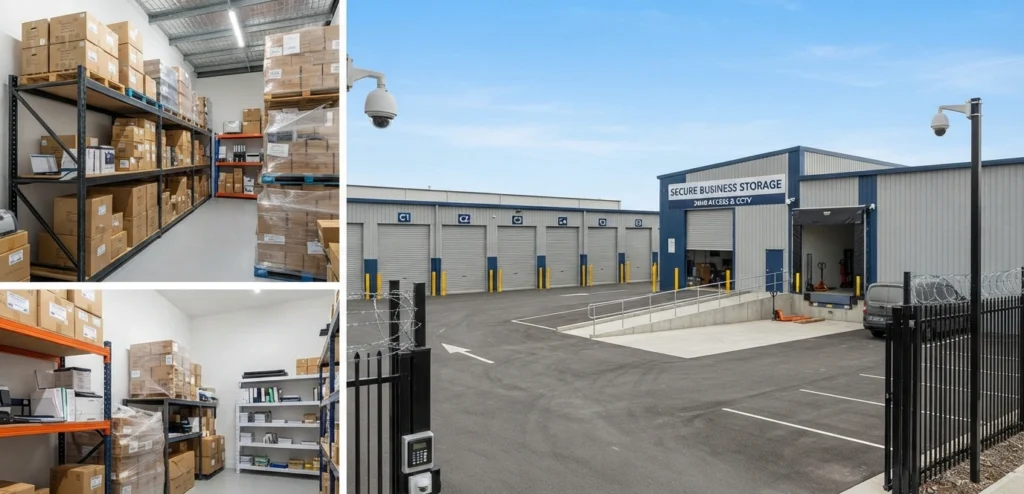
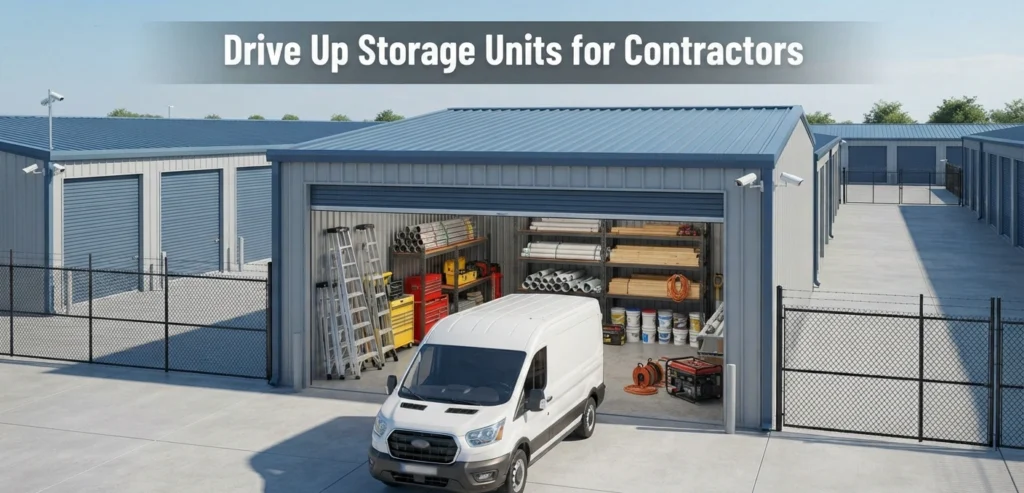
This setup works best for furniture, appliances, tools, and anything bulky or heavy. Businesses that need frequent access, like contractors or landscapers, also prefer this layout because it saves time on every trip.
If you’re comparing storage styles side by side, our page on drive-up self storage units over classic indoor units breaks down the exact differences in access speed, cost, and convenience.
Why Location Matters for Drive-Up Access
A facility close to major roads cuts down your drive time on move-in day. Look for locations near your daily commute route, since you’ll likely visit more than once. Renters searching for drive up storage options near Farmington should check driveway width first, since narrow lanes make trailers and moving trucks harder to maneuver.
Self Storage Facility Features That Actually Matter
Not every listed feature adds real value. Here’s what separates a facility built for long-term use from one built for a quick sale.
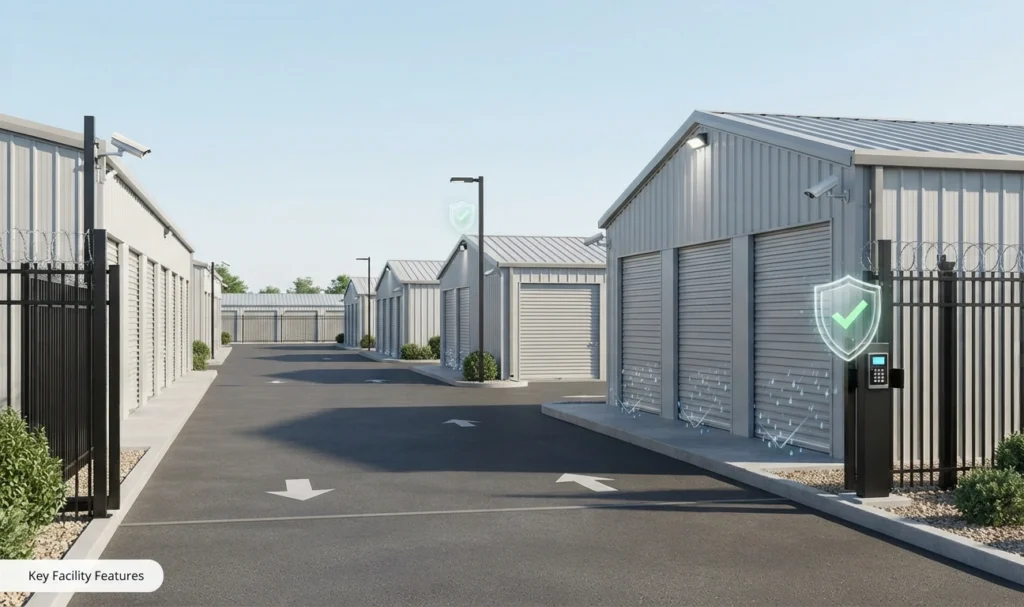
Security Systems Worth Paying For
- Perimeter fencing with controlled gate access
- Individual door alarms on each unit
- Motion-sensor lighting across every row
- On-site staff during business hours, not just a call center
Climate and Structural Protection
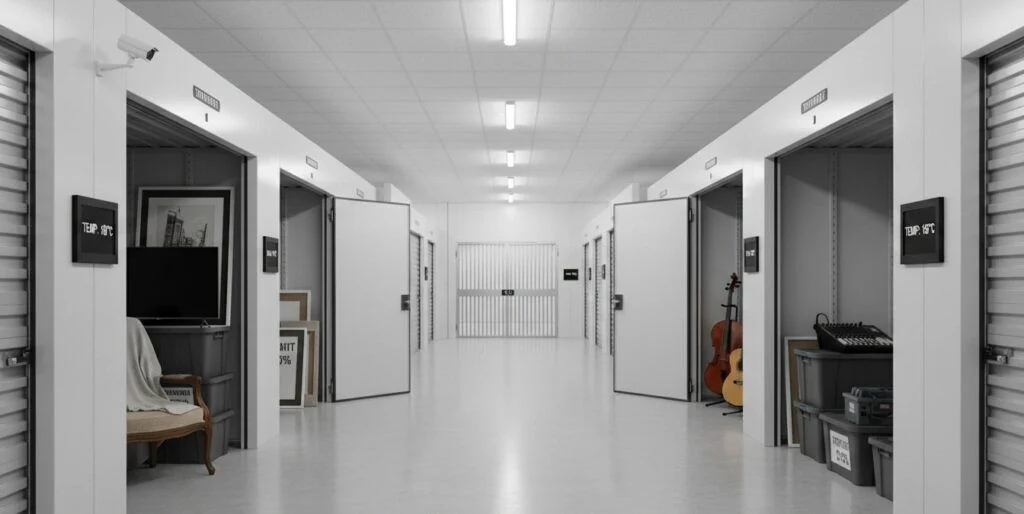
Farmington summers get hot, and sudden storms bring heavy rain. A quality self storage facility features list should include sealed roofing, elevated unit floors, and weatherproofed doors that keep moisture out. Ask the manager directly how the facility handled the last major storm before you commit.
How to Check Facility Quality Before You Rent
Walk the property before signing anything. A five-minute visit tells you more than any website photo.
- Check the driveway surface. Cracks and potholes signal poor upkeep.
- Test a unit door. It should roll smoothly without sticking.
- Look at the corners of the ceiling. Water stains mean past leaks.
- Ask about pest control schedules. Monthly treatment is standard for quality sites.
- Confirm gate hours match your schedule. Some facilities close earlier than advertised.
Pricing and Lease Flexibility
Month-to-month leases give you room to adjust as your storage needs change. Avoid facilities that force a full-year contract with steep early termination fees. Compare unit pricing against size, not just the lowest sticker price, since a cheaper unit with poor drainage costs more in damaged items down the road.
Before you commit, it helps to review how the process works from start to finish. Our guide on how to rent a storage unit walks through pricing, deposits, and what paperwork you’ll need on move-in day.
What Size Unit Do You Actually Need?
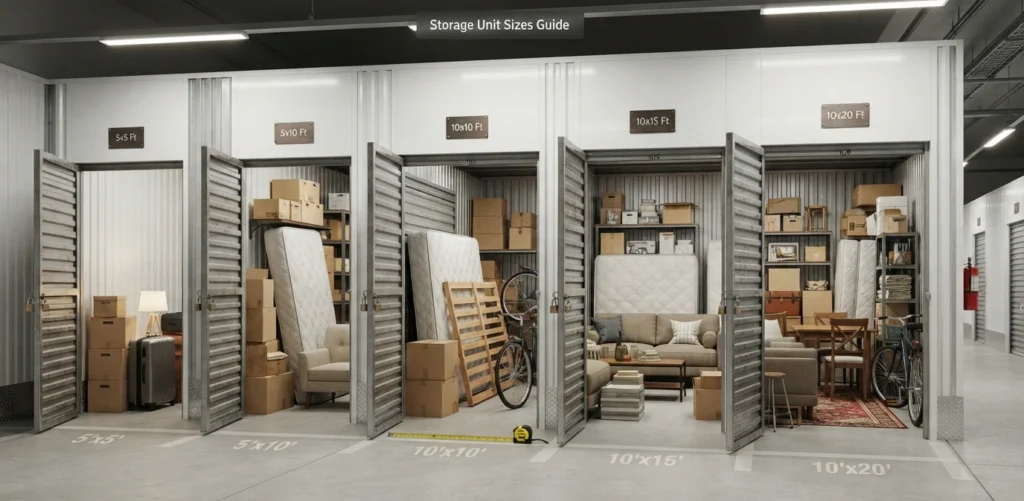
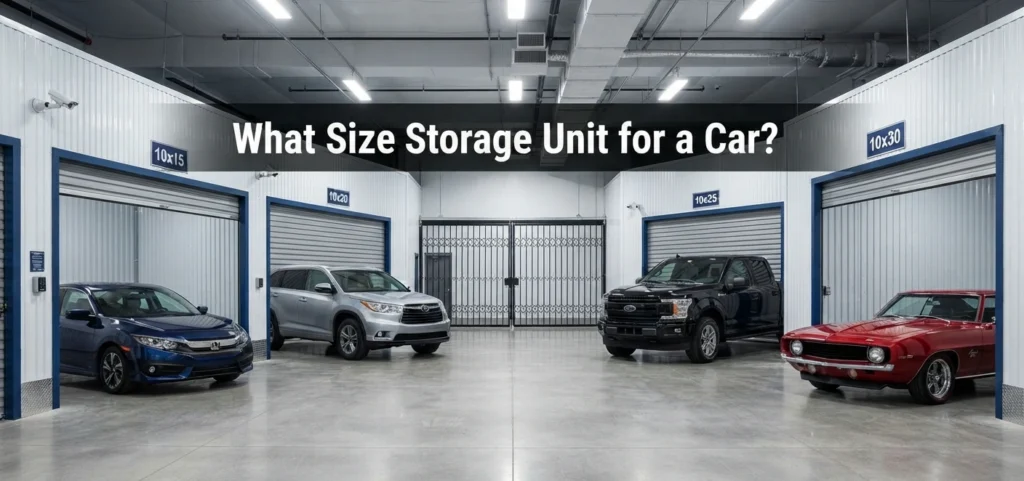
Most single-room contents fit a 5×10 unit. A studio or one-bedroom apartment usually needs a 10×10. Full house contents, including furniture and appliances, typically require a 10×20 or larger drive-up bay.
Local Access and Regional Storage Considerations
Farmington’s mix of residential streets and commercial corridors means traffic patterns shift by time of day. A drive-up self storage facility positioned near main routes saves real time during rush hour moves. Regional weather, including seasonal rainfall and temperature swings, also plays a role in how well a unit protects your belongings across all four seasons.
If you’re weighing multiple facilities in the area, take a look at the full range of drive up storage options in the Farmington area to compare unit sizes, access hours, and pricing side by side. You can also start with our main storage facility overview to see every service location we operate.
FAQs
Is a drive-up storage unit safe for valuable items?
YES. A drive-up unit is just as safe as an indoor unit when the facility has individual alarms, gated access, and consistent camera coverage. Security depends on the facility’s setup, not the unit’s location within the property.
Do drive-up units cost more than indoor units?
NO. Drive-up units are often priced the same or slightly lower than indoor units of the same size, since indoor climate-controlled spaces usually carry a premium for added HVAC systems.
Can I access a drive-up unit at night?
Most premium facilities offer extended or 24/7 gate access using a keypad code or mobile app. Always confirm exact hours with the facility manager, since policies vary by location.
How much notice do I need before moving out?
Most month-to-month leases require just 10 to 14 days written notice. Check your specific lease agreement, since notice periods can differ slightly between facilities.
Conclusion
Choosing a drive-up self storage facility comes down to three things: access speed, security, and honest pricing. Walk the property, test the doors, and ask direct questions about drainage and pest control before signing anything. A facility that checks every box on this list will save you time, protect your belongings, and give you flexibility as your needs change. Farmington renters who prioritize these details end up with a smoother move-in and far fewer surprises down the road.
Don’t settle for a facility that cuts corners on security or access hours just to save a few dollars a month. The right unit pays for itself through convenience alone, especially if you’re loading and unloading often. Take the time to compare a few locations side by side before you commit to a lease. Your belongings, your schedule, and your budget all deserve that extra ten minutes of research.