
What to Put in Non Climate Controlled Storage Units Safely?
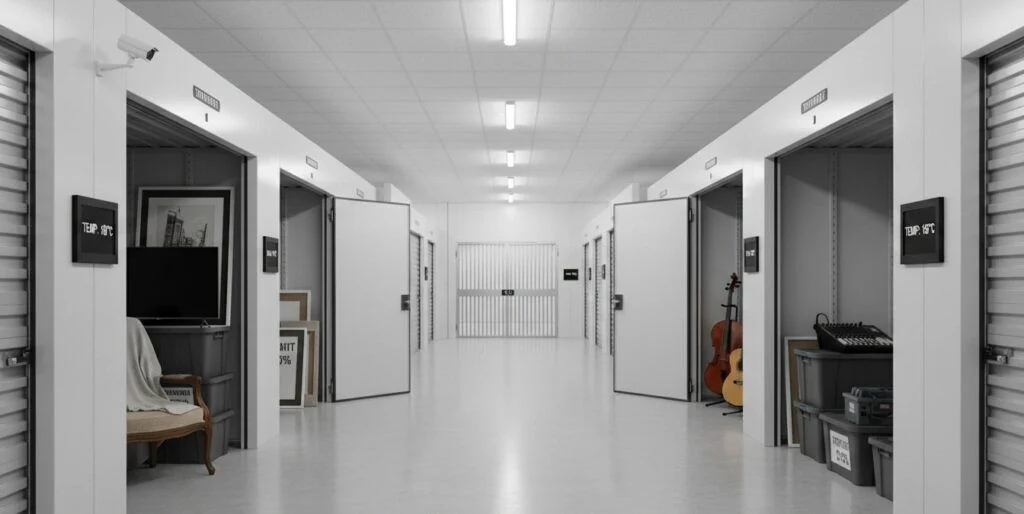
Climate Controlled Storage Units aren’t required for every item you own, and knowing what’s actually safe in a standard unit protects both your belongings and your budget. The short answer: metal furniture, plastic totes, tools, and vehicles handle temperature swings fine, while wood, electronics, and paper need a controlled environment. Farmington’s dry summers and cold winters make this choice even more important for local renters. Picking the right unit type from day one saves you from costly damage later.
Farmington sits in a region where summer heat regularly climbs past 90 degrees and winter nights drop well below freezing. Standard units without insulation absorb these outdoor swings directly, along with seasonal dust and moisture. Sturdy, non porous items ride out these changes without a problem. Anything prone to warping, cracking, or rust needs a better setup.
Safe vs Sensitive Items
| Category | Safe for Standard Units | Needs Climate Controlled Storage Units |
| Furniture | Metal patio sets, plastic shelving units | Wood dressers, upholstered sofas |
| Electronics | Sealed power tools only | TVs, laptops, gaming consoles |
| Paper Goods | None recommended | Tax records, photo albums, books |
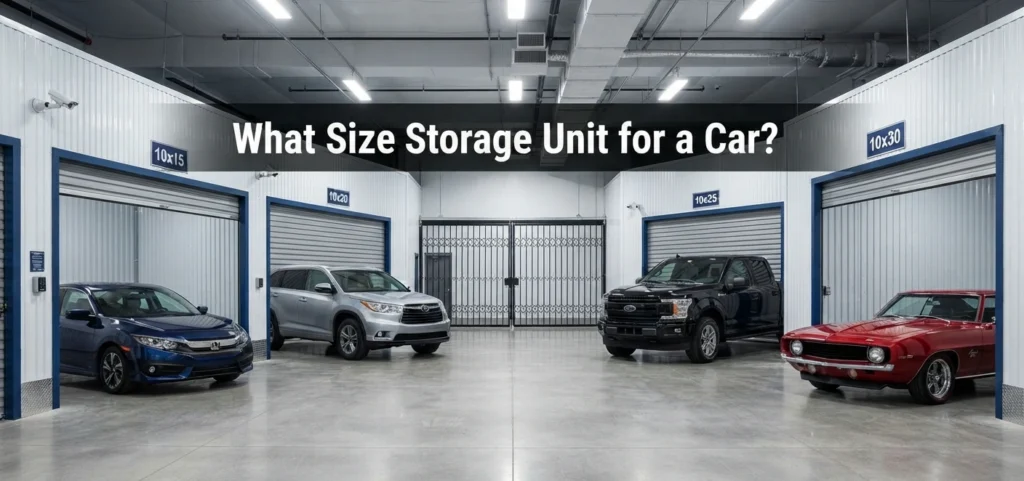
| Vehicles | Cars, motorcycles, ATVs, trailers | Classic cars needing paint protection |
| Tools | Gardening equipment, hand tools | Precision tools sensitive to rust |
| Clothing | Off season outdoor gear | Leather jackets, fur, wedding gowns |
Items That Handle Outdoor Conditions Well
Standard units work best for anything that already lives outside for part of the year. These items shrug off Utah’s temperature shifts without warping, cracking, or corroding.
Metal and Plastic Furniture
Patio sets, metal shelving, and plastic storage bins hold up fine in a standard unit. Wrap metal legs or frames in a light coat of oil before long term storage to block rust. Plastic bins with sealed lids also keep dust and small pests away from whatever is inside them.
Vehicles and Outdoor Equipment
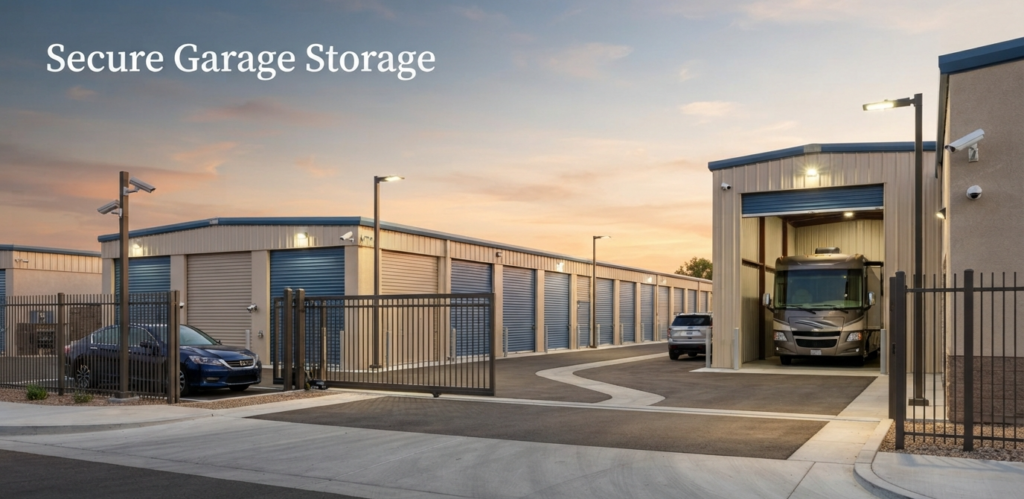
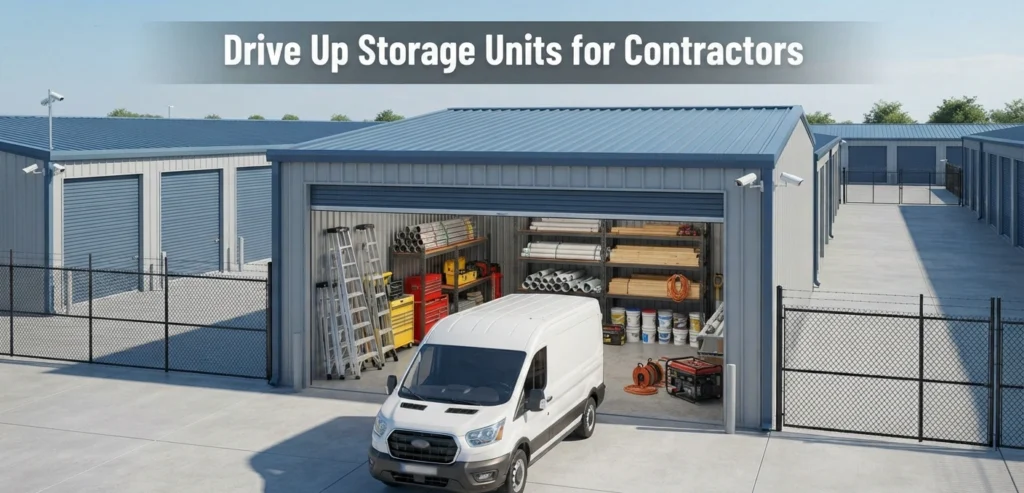
Cars, motorcycles, trailers, and ATVs are built to handle weather already, so a drive up storage space suits them well. Add a breathable cover instead of a plastic tarp so trapped moisture can escape. Lawn equipment, bikes, and sports gear also do fine without climate control.
Climate Controlled Storage Units for Sensitive Belongings
Some items simply cannot handle Utah’s swing between dry summer heat and freezing winter air. This is where a proper climate controlled setup earns its cost.
Wood Furniture and Antiques
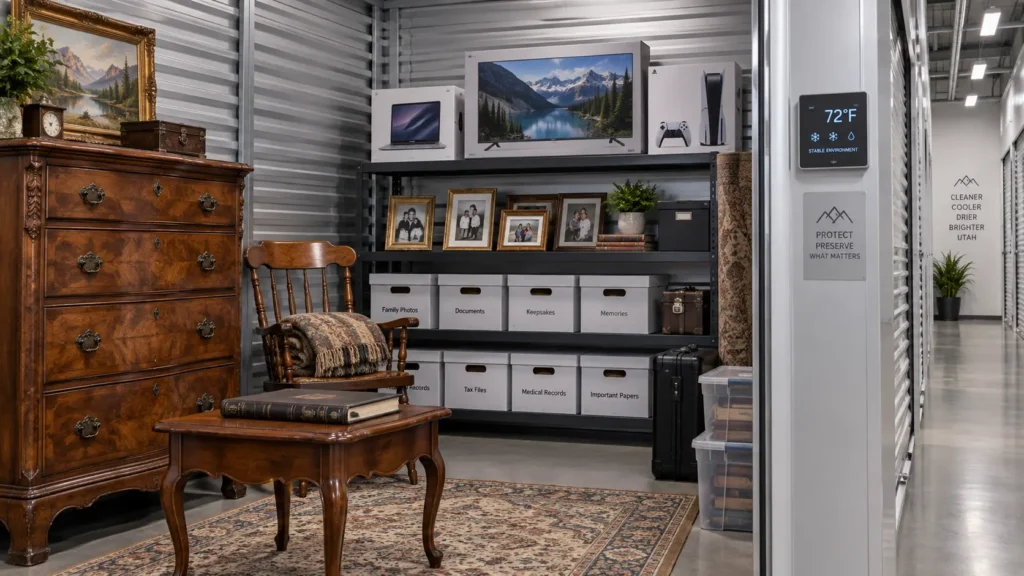
Wood expands and contracts with humidity changes, which cracks joints and warps drawers over time. Antiques and heirloom pieces lose value fast once this damage starts. Renters looking at Climate Controlled Storage Units in Farmington, Utah get a stable indoor environment that keeps wood grain and finish intact year round.
Electronics, Paperwork, and Photos
Laptops, televisions, and gaming systems contain internal components that fail under extreme heat or cold. Paper documents and photographs absorb moisture and can develop mold within weeks in a humid unit. Anyone storing tax files, family photos, or work equipment should choose an indoor, temperature stable unit instead of a standard bay.
Farmington Weather and Local Storage Risks
Davis County and the wider Wasatch Front area see wide seasonal swings that catch new renters off guard. Summer afternoons often bring low humidity and intense direct sun, which heats up metal storage doors fast. Winter brings freeze and thaw cycles that crack anything with trapped moisture inside. Local renters who split their belongings between a standard bay and a temperature controlled storage facility near the Farmington area avoid most of these seasonal problems entirely.
Packing Checklist for Non Climate Controlled Units
Use this list before loading anything into a standard bay:
- Elevate boxes on pallets or shelving instead of placing them directly on concrete
- Use plastic totes with locking lids instead of cardboard boxes
- Leave small air gaps between stacked items for airflow
- Add moisture absorbing packets inside sealed containers
- Cover vehicles and furniture with breathable fabric, never plastic sheeting
- Avoid storing anything with food residue that attracts pests
Storage Unit Security and Lock Choices
A well packed unit still needs strong physical security regardless of temperature control. Disc locks and cylinder locks resist bolt cutters far better than standard padlocks. Before move in day, take a look at how to pick a lock for your storage unit so your belongings stay protected from day one.
Choosing the Right Storage Unit Size and Rental Process
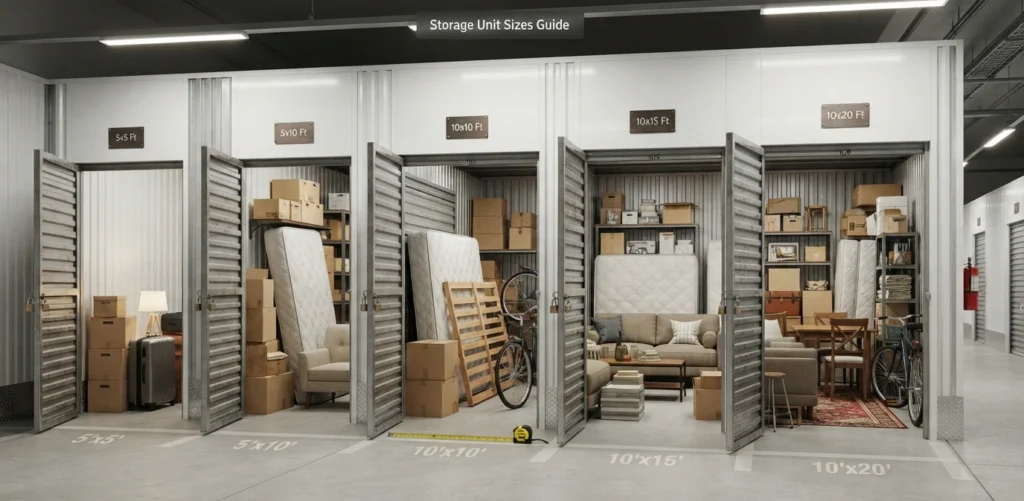
Matching unit size to your inventory prevents wasted rent and overcrowded shelving. A 5 by 10 space fits a studio apartment’s worth of boxes and small furniture, while a 10 by 20 handles a full household move. Most facilities let you rent a storage unit online in a few minutes once you know your size needs. Checking the full lineup at D Highway Storage before move in day helps you compare drive up and indoor options side by side.
FAQs
Can I Store a Mattress in a Non Climate Controlled Unit
NO. Mattresses absorb humidity swings and can develop mold or mildew inside the fabric within a season. Wrap it in a breathable cover and place it in an indoor, temperature stable unit instead.
Does Farmington Utah Get Humid Enough to Damage Stored Items
Farmington’s humidity stays low most of the year, but freeze and thaw cycles still cause condensation inside sealed metal units. This buildup damages wood, paper, and electronics even without heavy rainfall. A stable indoor unit removes this risk entirely.
What Size Unit Do I Need for Household Furniture
A one bedroom apartment typically fits in a 10 by 10 unit, while a three bedroom home needs a 10 by 20 or larger. Measuring your largest furniture pieces first helps you avoid renting a space that’s too tight. Facility staff can also walk you through sizing based on your item list.
How Do I Keep Pests Out of a Storage Unit
Seal all food items completely or leave them out of storage altogether, since scent alone attracts rodents. Use sealed plastic totes rather than cardboard, which pests chew through easily. Placing dryer sheets or cedar blocks near stored fabric also helps deter insects.
Conclusion
Sorting your belongings into two piles, sturdy versus sensitive, makes the whole decision simple before moving in day. Metal, plastic, and vehicles handle a standard Farmington unit without any trouble at all. Wood, electronics, paper, and fabric last far longer inside Climate Controlled Storage Units built to hold a steady temperature year round. Splitting your inventory this way protects your budget and your belongings at the same time.
Farmington’s weather swings make this planning step worth the extra few minutes it takes. A quick walk through your garage or closet tells you exactly what needs extra protection and what doesn’t. Packing smart, choosing a solid lock, and picking the right unit size all work together to keep your stored items safe. Taking these steps now means opening your unit next season to find everything exactly as you left it.