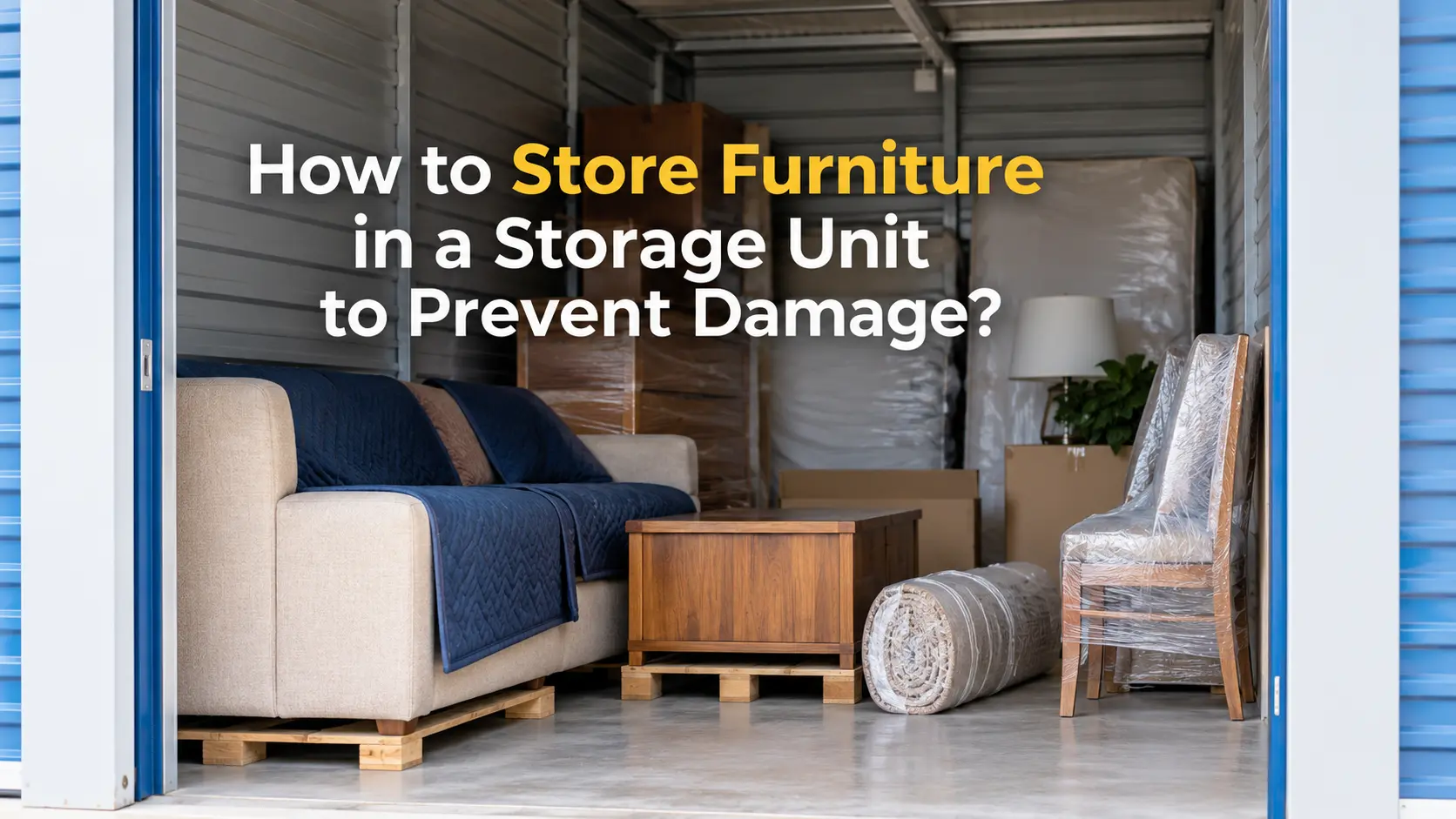
How to Store Furniture in a Storage Unit to Prevent Damage?
Want to store furniture in a storage unit without ruining it? The direct answer is simple: clean every piece first, wrap it in breathable covers, and raise it off the ground on pallets. Damage almost always comes from moisture, dust, or bad stacking, not from the storage unit itself. This guide shows you exactly how local renters protect their sofas, tables, and wood pieces for months or even years.
Furniture damage in storage is preventable when you follow a proper system. Most people lose value on their items because they skip basic prep steps like cleaning and spacing. This article breaks down every stage, from picking the right unit size to sealing wood against humidity. By the end, you will know precisely what professionals do differently.
Quick Furniture Storage Checklist
| Step | Action | Why It Matters |
| 1 | Clean and dry every item | Prevents mold and pest attraction |
| 2 | Disassemble large pieces | Saves space and reduces stress on joints |
| 3 | Use breathable covers, not plastic | Stops moisture buildup |
| 4 | Elevate on pallets | Protects against ground moisture |
| 5 | Leave airflow gaps | Reduces humidity and odor |
| 6 | Choose climate control for wood/leather | Prevents cracking and warping |
| 7 | Use a quality lock | Adds theft protection |
Why Furniture Gets Damaged in Storage
Furniture rarely gets ruined from sitting still. It gets ruined from trapped moisture, poor airflow, or direct contact with concrete flooring. Wood swells, leather cracks, and metal frames rust when humidity has nowhere to go.
Temperature swings are another silent killer. A unit that gets too hot in summer and too cold in winter causes wood glue to loosen and fabric to fade. This is why climate zones matter more than people expect.
Preparing Furniture Before You Store It
Preparation is where most storage mistakes happen. Skipping this stage is the fastest way to open your unit months later to a bad surprise.
Clean Every Piece Thoroughly
Dust, food residue, and spills attract pests and mold. Wipe wood with a dry cloth, vacuum upholstery, and condition leather before it goes into storage. Never store anything damp.
Disassemble What You Can
Take apart bed frames, table legs, and large shelving units. This reduces stress on joints and screws, and it frees up floor space. Keep all screws and small parts in labeled bags taped to the matching piece.
Wrap With Breathable Materials
Plastic sheeting traps moisture against wood and fabric. Use moving blankets, cotton sheets, or breathable furniture covers instead. Save plastic wrap only for metal parts that need rust protection.
Choosing the Right Storage Unit Size and Type
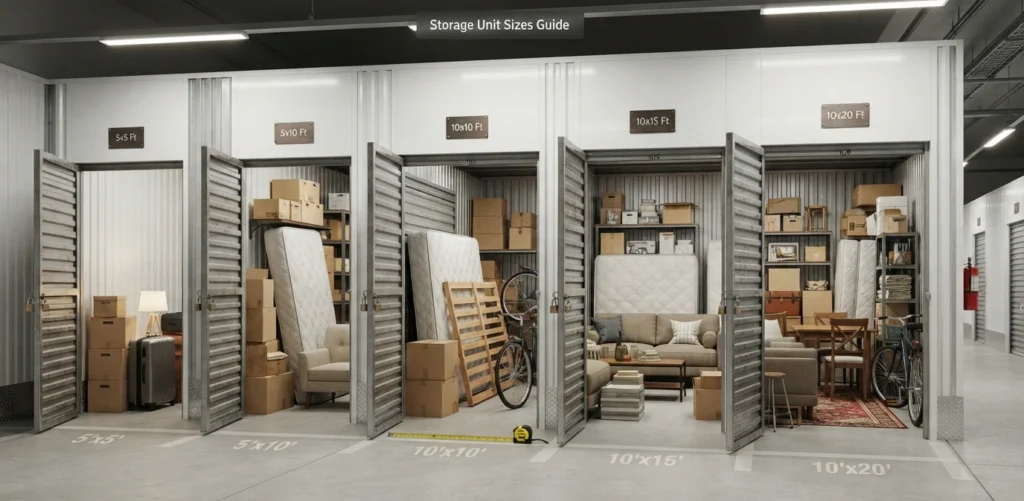
Picking the correct unit affects both cost and furniture safety. A cramped space forces bad stacking, which leads to scratches, dents, and broken legs.
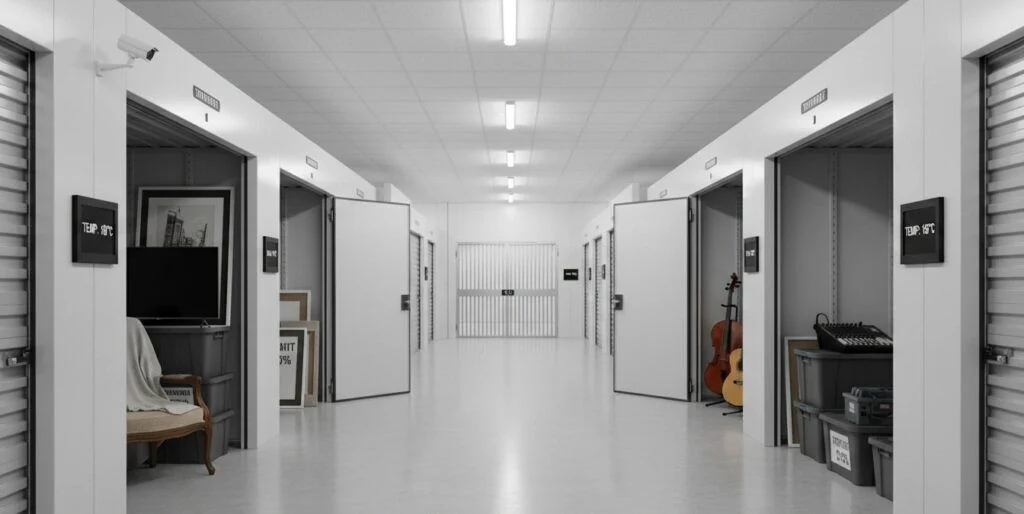
Climate controlled units matter most for wood, leather, and antique pieces. Standard units work fine for metal patio furniture or plastic outdoor sets. If you’re unsure how much space you need, checking local storage unit prices by size to compare across cities helps you match your furniture list to the right square footage before you commit.
Climate Control vs Standard Units
| Feature | Climate Controlled | Standard Unit |
| Best for | Wood, leather, electronics | Metal, plastic, outdoor gear |
| Humidity control | Yes | No |
| Temperature range | Stable year round | Follows outside weather |
| Price | Higher | Lower |
Proper Placement Inside the Unit
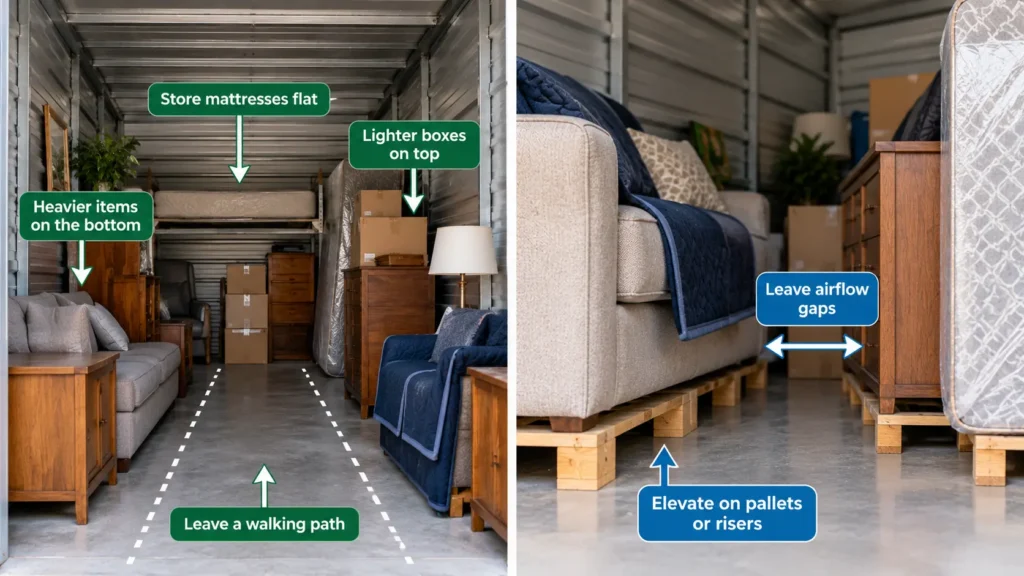
Where furniture sits inside the unit matters just as much as how it’s wrapped. Bad placement causes pressure damage and blocked airflow.
- Place heavier items on the bottom, lighter boxes on top
- Store mattresses flat, never leaned against a wall for long periods
- Leave a walking path so you can access items without moving everything
- Keep fabric furniture away from direct contact with metal shelving
Elevate Everything Off the Floor
Concrete floors pull in outside moisture, even in a sealed building. Use wooden pallets or plastic risers under every furniture piece. This one step alone prevents most water damage claims.
Leave Airflow Gaps Between Items
Furniture pressed tightly together traps humidity and blocks ventilation. Leave a few inches of space between large pieces. A small fan near the entrance, run occasionally, also helps circulate air in bigger units.
Protecting Wood, Leather, and Upholstered Pieces
Different materials need different care once inside the unit. Treating everything the same way is a common and costly mistake.
Wood furniture benefits from a light coat of furniture wax before storage, which seals out humidity. Leather needs a conditioner applied a few days before packing so it doesn’t dry out. Upholstered pieces should be vacuumed and covered with breathable fabric, never sealed plastic.
Securing Your Unit and Belongings
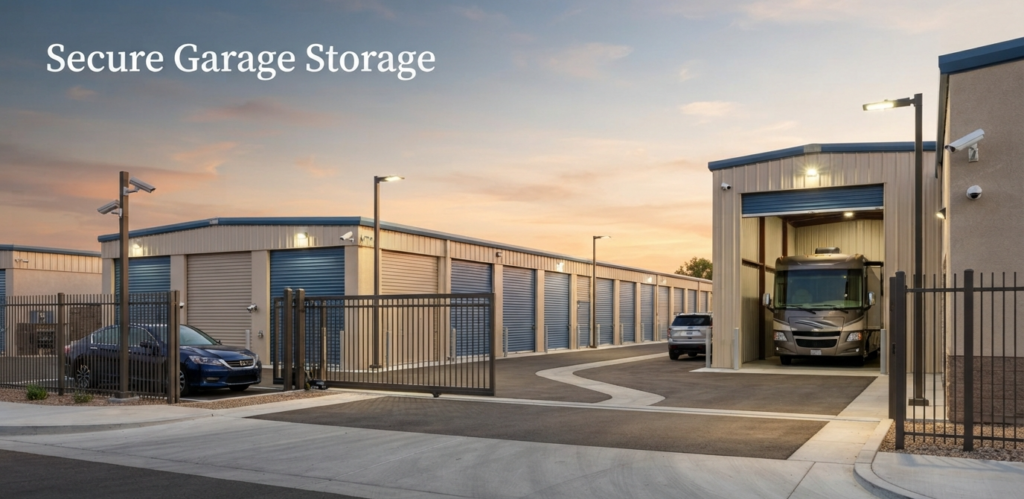
Physical prep only matters if the unit itself stays protected. Theft and forced entry are real risks in any facility, regardless of location.
Before you sign a lease, review guidance on the right lock to use for a storage unit before renting, since not every lock type resists bolt cutters equally. A disc lock or cylinder lock offers far better protection than a standard padlock.
Budgeting for Long-Term Furniture Storage
Cost planning prevents surprises down the road, especially for extended storage periods. Climate controlled units and larger sizes both raise the monthly rate.
Before committing to a facility, review the average monthly cost of self storage so you can compare that figure against your local market. Rates shift based on region, unit size, and demand, so checking current numbers saves money over a multi month lease.
Where to Store Furniture in a Storage Unit Near Your City?
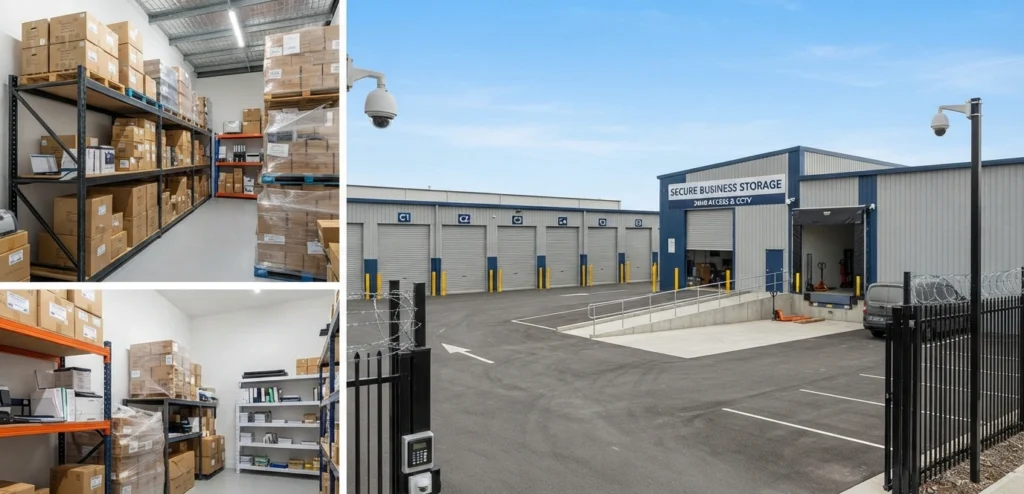
Residents across the region can store furniture in a storage unit at a facility close to their neighborhood, with flexible sizes built for apartments, full households, and business inventory. Choosing a facility within your local area cuts down transport risk and makes moving heavy pieces far easier on move day. Local access also means faster response if you ever need to adjust your unit size or add extra protection mid lease.
Common Mistakes that Ruin Stored Furniture
- Stacking heavy boxes directly on top of wood surfaces
- Using regular plastic sheeting instead of breathable covers
- Ignoring pest control before move in
- Ignoring the humidity rating of the unit type
- Ignoring the last inch of clearance near vents or walls
FAQs
Can wood furniture warp in a storage unit?
Yes, Wood absorbs and releases moisture based on humidity levels, and units without climate control experience bigger swings. Sealing wood with wax and choosing a climate controlled unit reduces this risk significantly.
How long can furniture stay in storage safely?
Furniture can stay safely stored for years if it’s properly prepped and the unit stays dry. Regular check-ins every few months help catch pest or moisture issues early. Long term storage works best in climate controlled spaces.
Is it okay to stack furniture in a storage unit?
Light stacking is fine if weight is distributed evenly and padding separates each piece. Avoid stacking anything on top of glass, mirrors, or delicate wood finishes. Heavier items always belong on the bottom.
Do storage units get too hot for furniture?
Yes, standard units without climate control can reach high temperatures in summer months. This heat can loosen wood glue and crack leather over time. Climate controlled units maintain a stable range year round.
Conclusion
Getting furniture storage right comes down to preparation, placement, and picking the right unit type for your specific pieces. Clean items before packing, wrap them in breathable materials, and always elevate furniture off the floor to block moisture. Climate control matters most for wood, leather, and anything sensitive to temperature swings. These small steps add up to a huge difference when you open your unit months later.
Taking time to store furniture in a storage unit correctly protects your investment and saves you from costly repairs or replacements. A secure lock, a properly sized unit, and a bit of airflow planning cover most of the risk. Local facilities built for household and business needs make the process even easier to manage. Follow this system, and your furniture will come out looking the same as the day it went in.