What Size Storage Unit for a 1 Bedroom Apartment?
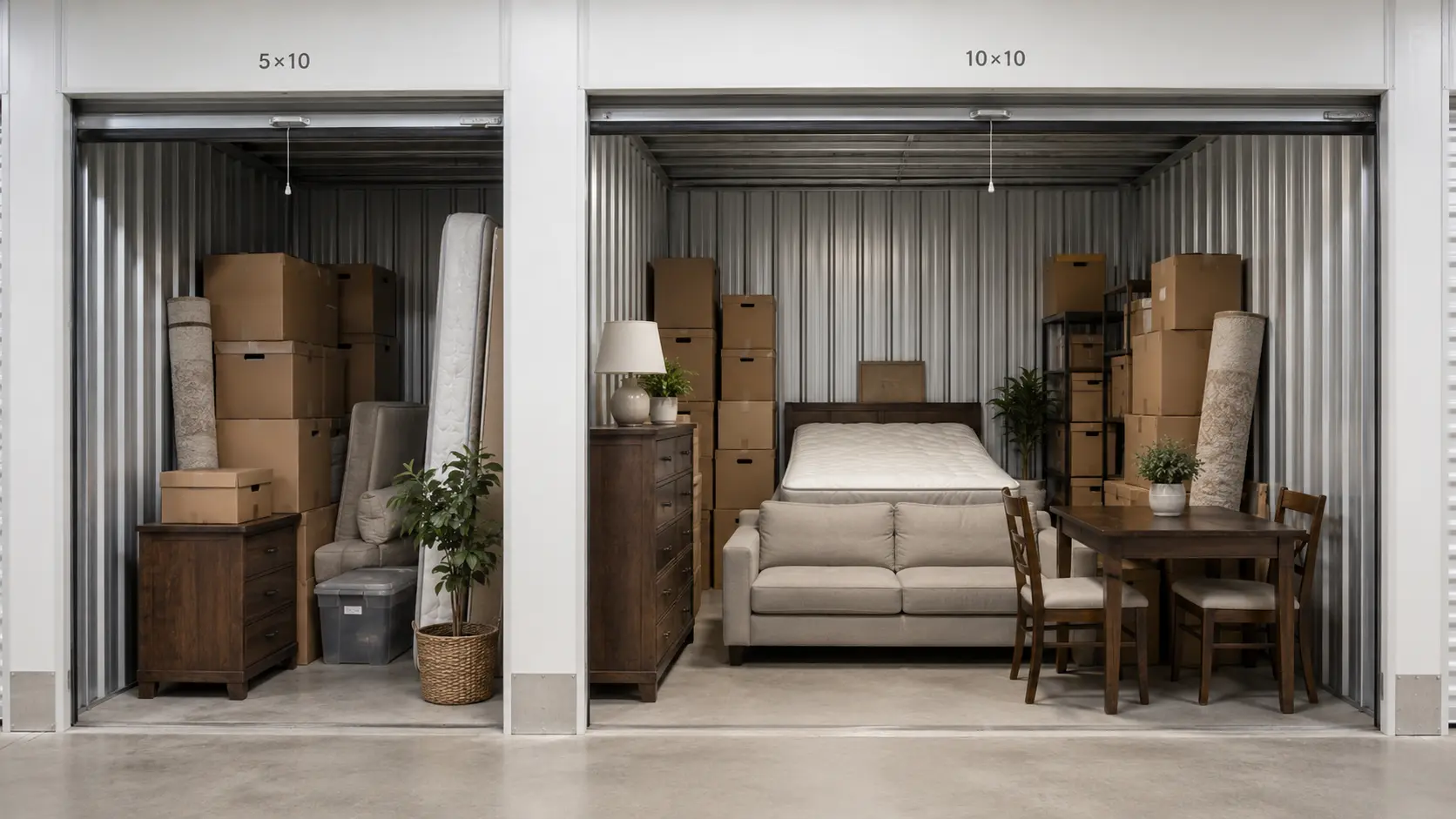
A storage unit for 1 bedroom apartment contents typically needs 5×10 to 10×10 feet of space, depending on furniture size and box count. This guide breaks down exact square footage, item-by-item space needs, and pricing so you can book the right unit on the first try. Most one-bedroom households own between 15 and 30 boxes plus a bed, sofa, dresser, and dining set. Getting the size wrong means paying for wasted space or renting a second unit mid-move.
Choosing between a 5×10 and a 10×10 comes down to one question: how much furniture are you keeping versus storing temporarily? A queen bed, sectional couch, and a few large boxes can push you past a 5×10’s limit fast. This article walks through real dimensions, seasonal storage tricks, and local pricing patterns so you don’t overpay or run out of room.
1 Bedroom Apartment Storage Size at a Glance
| Storage Unit Size | Square Footage | Best For | Typical Monthly Rate |
| 5×5 | 25 sq ft | Boxes, small appliances, seasonal items only | $40-$65 |
| 5×10 | 50 sq ft | Studio or minimalist 1BR, no large furniture | $65-$95 |
| 10×10 | 100 sq ft | Full 1BR apartment with furniture | $95-$140 |
| 10×15 | 150 sq ft | 1BR plus patio furniture or extra appliances | $130-$180 |
Rates shift based on your zip code, unit access type, and climate control needs, so treat this table as a starting point, not a final quote.
What Fits in a 10×10 Storage Unit?
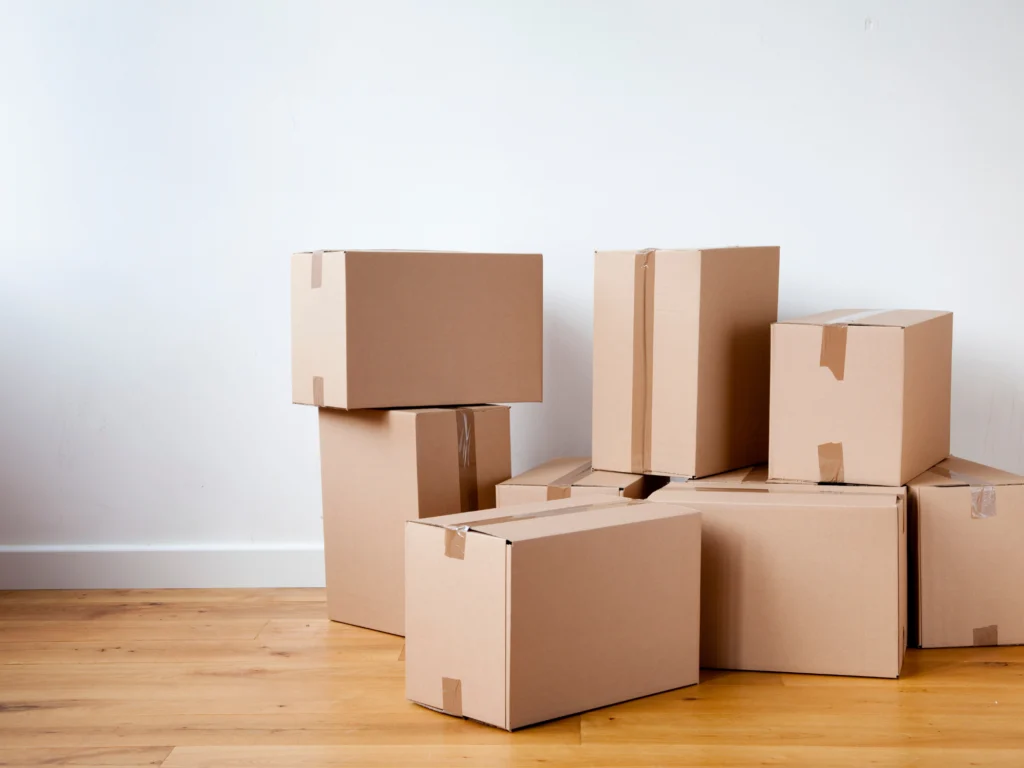
A 10×10 unit holds the full contents of a standard one-bedroom apartment. That includes a queen or full bed, a couch, a dresser, a dining table with chairs, a TV stand, and roughly 20-25 medium boxes. Most renters stack boxes and smaller furniture on top of larger pieces to use vertical space efficiently.
Room-by-Room Storage Breakdown for a One Bedroom Unit
Breaking your apartment down by room makes size estimates far more accurate than guessing.
Bedroom Furniture Space Needs
- Queen or full bed (mattress, frame, headboard): roughly 20-30 sq ft
- Dresser: 6-10 sq ft
- Nightstands: 2-4 sq ft each
- Closet contents: 8-12 medium boxes
Living Room Furniture Space Needs
- Sofa or loveseat: 15-25 sq ft
- Coffee table: 5-8 sq ft
- TV and stand: 6-10 sq ft
- Bookshelf: 5-9 sq ft
Kitchen and Dining Space Needs
Kitchen items usually pack into 6-10 boxes, including dishes, small appliances, and cookware. A small dining set with two to four chairs adds another 10-15 sq ft. Fragile items should go in dish-pack boxes with padding to prevent breakage during transport.
Factors That Change Your Storage Unit Size
Two one-bedroom apartments rarely need identical space. A few variables shift your final number up or down.
Furniture volume matters most. A sectional couch or a king-size bed eats space fast, even in a technically “1 bedroom” unit. If you’re keeping oversized pieces, size up to a 10×10 or 10×15 rather than risk a cramped 5×10.
Box count depends on lifestyle. Minimalist renters might only need 10-15 boxes, while collectors, home offices, or hobbyists often bring 30 or more. Count your boxes before booking instead of estimating.
Storage duration affects packing style. Short-term storage during a move allows looser stacking. Long-term storage benefits from tighter, more organized packing to protect items and maximize every square foot.
Best Storage Unit for a 1 Bedroom Apartment Move Locally
If you’re relocating within the same city or region, a drive-up storage unit near your current or new address cuts down on loading time and mileage on moving day. Many renters near Rotterdam and nearby South Holland neighborhoods prefer units close to their route between apartments, since it lets movers make fewer trips. If you want ground-floor loading instead of hauling boxes through hallways and elevators, drive-up self storage units are often a better fit than classic indoor units for one-bedroom moves with bulky furniture.
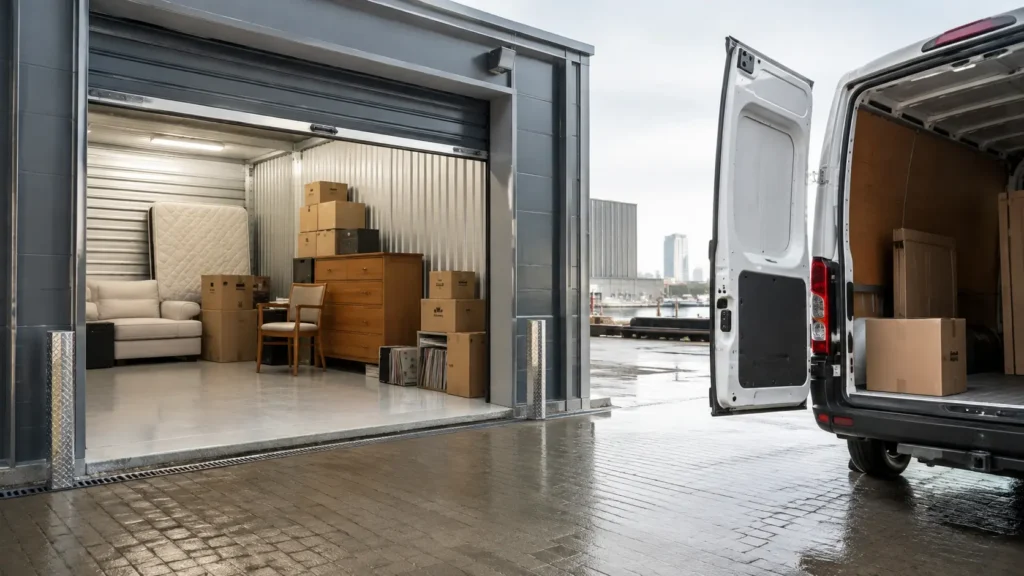
Climate matters too. Wooden furniture, electronics, and vinyl records warp or degrade in units without temperature control. If your area sees humid summers or freezing winters, climate-controlled storage protects your belongings better than a standard unit, even if it costs a bit more monthly.
How Long Should You Rent a 1 Bedroom Storage Unit?
Rental length depends entirely on your situation. Moving between leases usually calls for one to three months of storage. Downsizing or decluttering long-term might mean six months or longer.
Short rental windows are more common than people expect. If you only need space for a few days during a move, some facilities let you rent a storage unit for a week instead of committing to a full month. Always ask about prorated rates before signing a lease.
What Does a 1 Bedroom Storage Unit Cost?
Pricing varies by size, access type, and climate control, but understanding the average monthly cost of self storage in your area helps you budget accurately before committing. A 10×10 unit for a full one-bedroom apartment typically runs $95 to $140 per month in most mid-sized metro areas. Climate-controlled units add $15 to $30 on top of that baseline.
Booking in advance often unlocks better rates than last-minute reservations. Many facilities also offer a first-month discount for new renters, so it’s worth asking directly instead of assuming the listed price is final.
How to Confirm Your Exact Unit Size Before Booking
Guessing your size from a table is a good start, but a personalized estimate removes the risk entirely. Use a storage unit for 1 bedroom apartment size calculator based near your zip code to input your specific furniture list and box count for an exact recommendation instead of a general range. This takes the guesswork out of comparing a 5×10 against a 10×10 for your exact move.
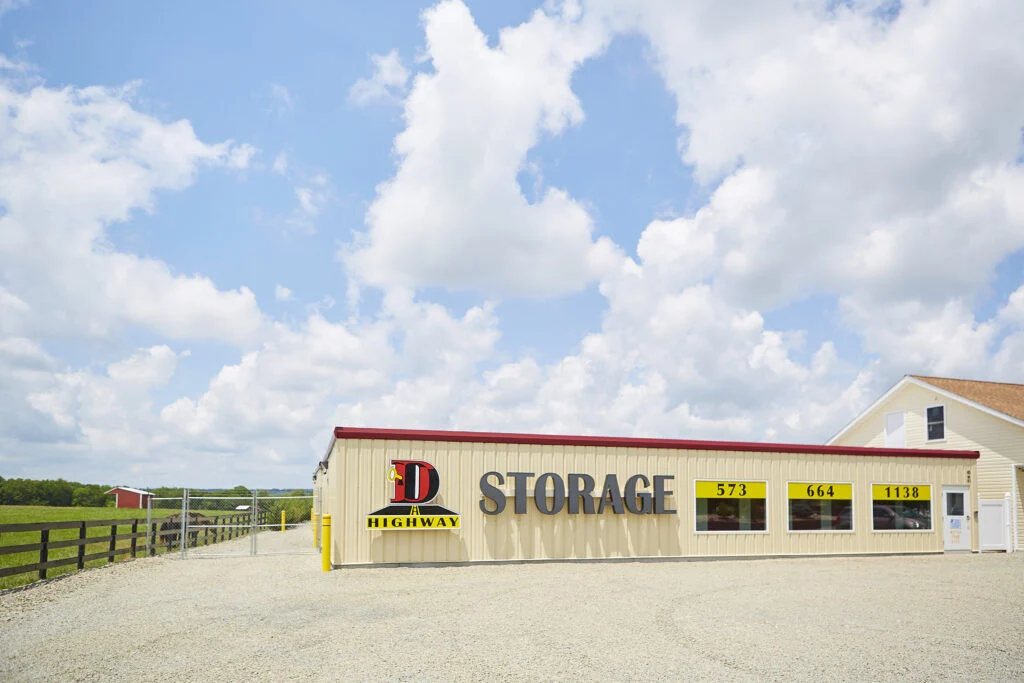
Before you finalize anything, it also helps to see what facilities in your local network offer for access hours, security, and unit availability. Visiting dhighwaystorage.com directly lets you compare real-time availability against the size estimate you just calculated.
Common Packing Mistakes That Waste Storage Space
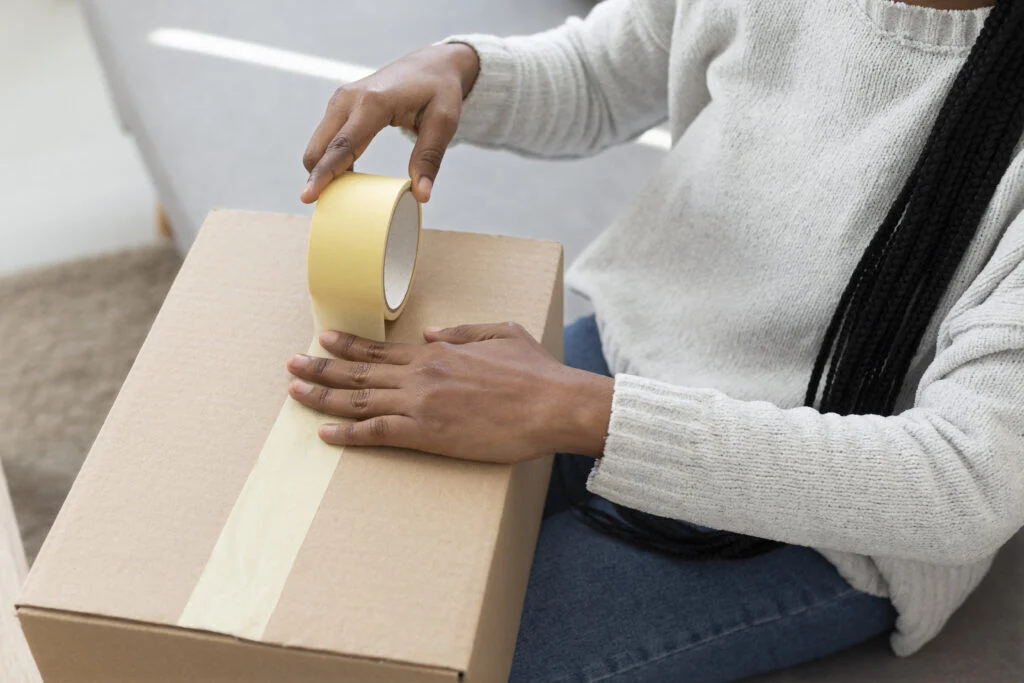
- Leaving air gaps in boxes: Unfilled boxes collapse under stacked weight and waste vertical space.
- Storing furniture assembled: Disassembling beds, tables, and shelving units saves 20-30% of total space.
- Skipping a shelving unit: Wire shelving inside the storage unit lets you stack boxes without crushing fragile items below.
- Ignoring the ceiling: Most units have 8+ feet of height that renters never use.
FAQs
Do I need a 10×10 for a 1 bedroom apartment?
Yes, a 10×10 unit fits the furniture and boxes from a standard one-bedroom apartment, including a bed, sofa, dresser, and roughly 20-25 boxes. If you’re storing only seasonal items or a partial apartment, a 5×10 may work instead.
Can a 5×10 storage unit hold a one bedroom apartment?
A 5×10 works only if you’re storing a minimal setup, like a studio-style apartment without a full bed frame or sectional couch. Most complete one-bedroom households outgrow a 5×10 once boxes and furniture are combined.
How many boxes fit in a 10×10 storage unit alongside furniture?
A 10×10 unit typically holds 20-25 medium boxes alongside a bed, couch, dresser, and dining set when packed efficiently with vertical stacking. Using a shelving unit can add a few more boxes’ worth of usable space.
Is climate control necessary for one bedroom apartment storage?
No, not always. Climate control is only necessary if you’re storing wood furniture, electronics, or items sensitive to humidity and temperature swings. Standard units work fine for plastic totes, tools, and non-sensitive household goods.
Conclusion
Picking the right storage unit for 1 bedroom apartment contents comes down to counting your furniture honestly and matching it against real square footage, not guesswork. A 10×10 covers most full apartments, while a 5×10 works for lighter, minimalist setups. Local factors like drive-up access, climate control, and rental duration all shift which option makes sense for your specific move. Getting this right the first time saves money and prevents the hassle of upgrading units mid-lease.
Use the size table and room breakdown above as your baseline, then confirm with a calculator tool before booking anything. Furniture volume, box count, and how long you need the space all play into your final decision. Local pricing and access options can shift your choice too, so compare a few facilities before committing. A little planning upfront means your one-bedroom belongings stay protected without paying for square footage you’ll never use.