Can You Rent a Storage Unit for a Week? Complete Guide
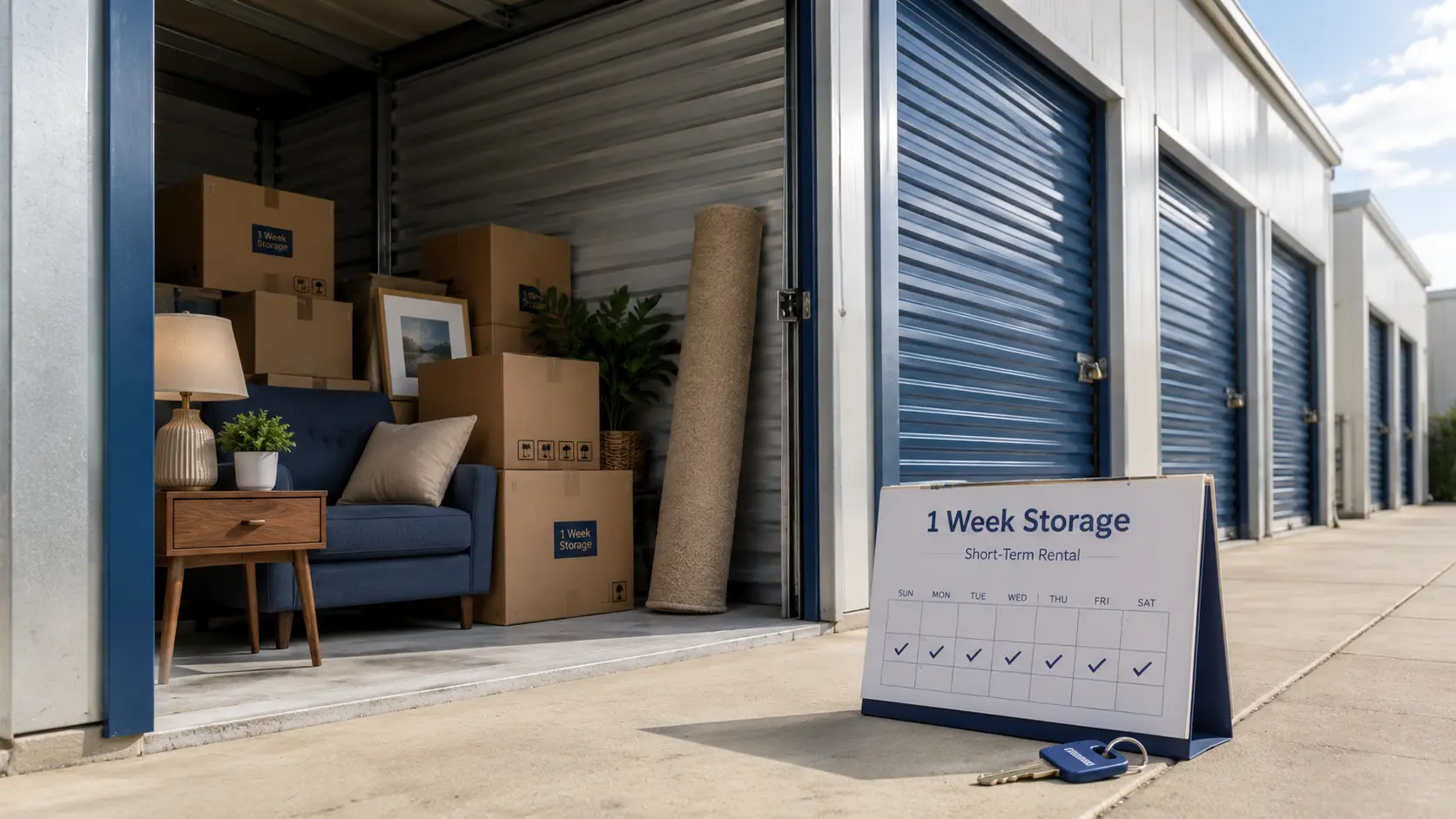
Yes, you can rent a storage unit for a week at most self-storage facilities, though policies vary by location and operator. Many providers now offer flexible short-term leases built for movers, renovators, and travelers who only need space for a few days. This guide breaks down exactly how weekly rentals work, what they cost in practice, and how to find a facility near your neighborhood that allows them. You’ll also learn the fine print landlords rarely explain upfront.
Short-term storage isn’t a niche service anymore. Life throws curveballs, closing dates shift, apartments flood, moves get delayed, and a week-long storage unit rental solves the gap without locking you into a year-long contract. This article covers pricing structures, unit sizing, facility requirements, and the exact questions to ask before you sign anything. By the end, you’ll know precisely how to book a short stay without overpaying.
Weekly Storage Rental
| Factor | What to Expect |
| Minimum rental period | Often 30 days billed, even for 1-week use |
| True weekly-only options | Limited; ask facility directly |
| Average weekly cost (5×5 unit) | $20–$35 |
| Average weekly cost (10×10 unit) | $45–$70 |
| Deposit required | Sometimes, refundable |
| Same-day availability | Common at drive-up facilities |
| Contract type | Month-to-month, prorated on exit |
This table reflects typical industry patterns across regional facilities, not one specific location, so always confirm exact terms with your chosen provider.
How Short-Term Storage Actually Works
Most self-storage companies operate on month-to-month leases, not daily or weekly contracts. That doesn’t mean you’re stuck paying for four weeks you won’t use.
Here’s the real mechanic: you sign a standard month-to-month agreement, move your items in, then move out whenever you’re done. Many facilities prorate your final bill or simply don’t charge again once you vacate before the next billing cycle.
- You pay for one month upfront in most cases
- You can leave after a week with no penalty
- Some operators refund unused days; others don’t
- Always ask about the exit policy before signing
If you’re weighing whether to book a unit close to home, our guide on how to Can You Rent a Storage Unit for a Week Near Your Neighborhood walks through local availability and same-day options.
Why People Need a Storage Unit for Just One Week
Short bursts of storage demand come from very specific life events, not general hoarding or long-term downsizing.
Common triggers include:
- Closing on a home falls through by a few days
- A renovation crew needs a clear room fast
- College move-out overlaps with a delayed move-in date
- A family visit requires temporary furniture removal
- Staging a house for sale needs decluttered rooms
Each of these situations shares one thing: the need is urgent and short. If your move is sudden, our piece on why booking a same-day storage unit rental during sudden moves matters explains how quickly you can secure space when plans change overnight.
Picking the Right Unit Size for a One-Week Stay
Sizing correctly for a short stay matters more than people expect, because paying for excess square footage for even seven days adds unnecessary cost.
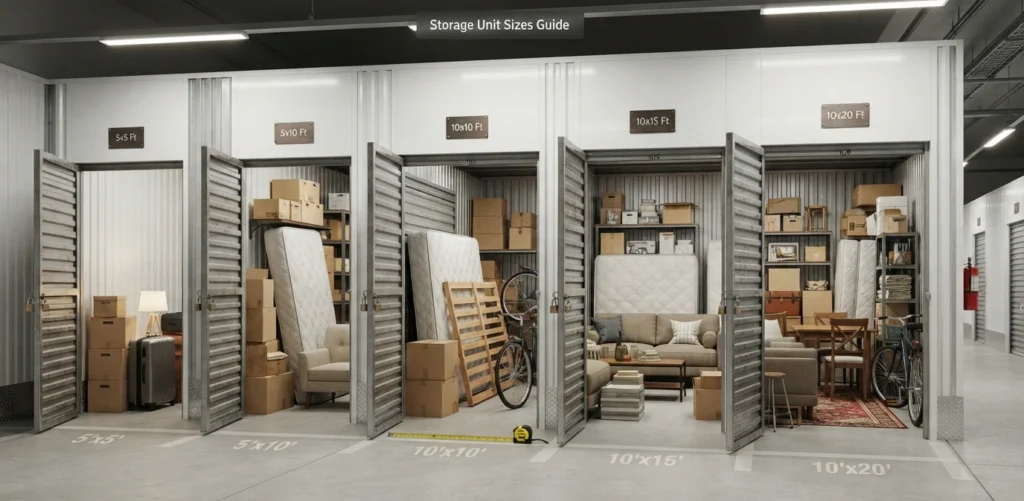
Quick sizing guide:
- 5×5 unit: fits a few boxes, small furniture, seasonal items
- 5×10 unit: fits a studio apartment’s worth of belongings
- 10×10 unit: fits a one-bedroom apartment’s furniture and boxes
- 10×15 unit: fits a two-bedroom home’s contents
For a one-week gap between moves, most renters land in the 5×10 to 10×10 range. Going smaller often means a second unit, which costs more than one correctly sized space.
Drive-Up Access Speeds Up Short Stays
For a week-long rental, access speed matters far more than it would for a six-month lease. You’re loading and unloading fast, often within days of each other.

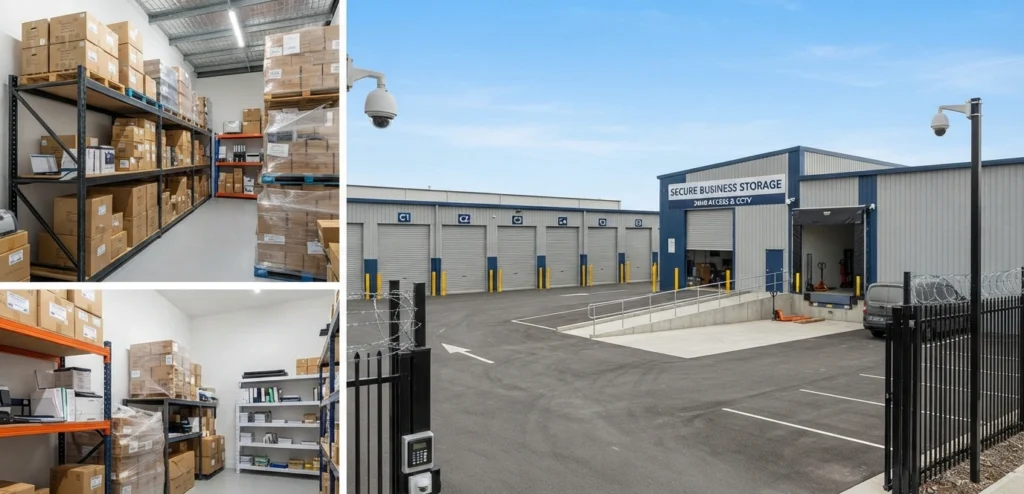
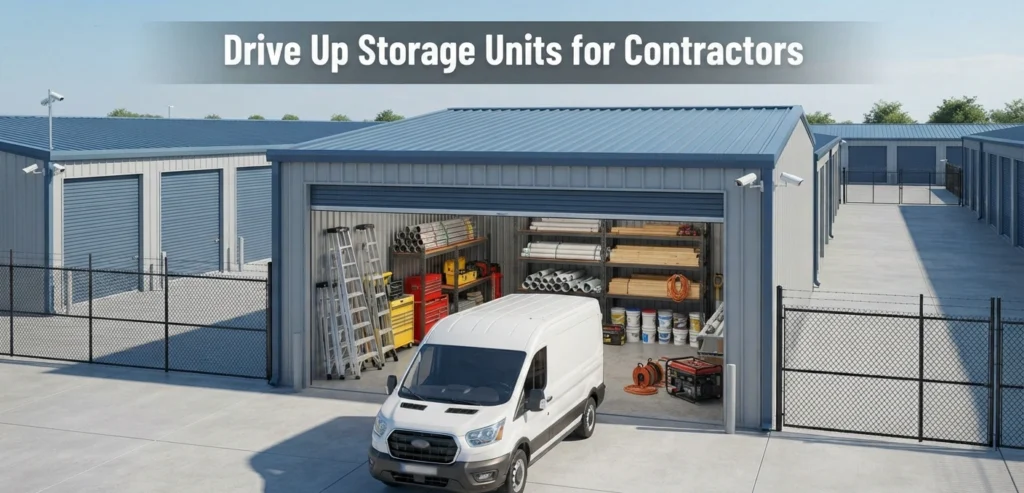
Drive-up units let you pull your vehicle directly to the door, skipping elevators, hallways, and shared loading docks entirely. This cuts move-in and move-out time significantly compared to indoor climate-controlled units on upper floors.
If speed and simplicity are your priority, our comparison of drive-up self-storage units over classic indoor units breaks down exactly when drive-up access makes sense for short rentals.
What a Weekly Storage Rental Really Costs
Pricing for short stays depends heavily on unit size, access type, and regional demand near your community. A small drive-up unit typically runs less per week than a climate-controlled space of the same size.
Factors that shift your weekly rate:
- Unit size and ceiling height
- Climate control versus standard drive-up
- Ground floor versus upper-level access
- Local facility demand in your area
- Whether a deposit or admin fee applies
Since pricing swings by market and unit type, check our detailed breakdown on the average monthly cost of self-storage to understand how monthly rates translate into your actual weekly spend.
Booking a Storage Unit Near Your Community for Seven Days
Local availability changes fast, especially during peak moving seasons in spring and summer. Facilities close to residential neighborhoods and apartment complexes tend to fill up quicker than those on the outskirts of town.
Before booking a short-term unit in your area, confirm:
- Whether they allow early move-out with prorated billing
- If a lock and insurance are included or extra
- Gate hours and access schedule during your week
- Whether online booking secures same-day move-in
Checking availability directly through DHighway Storage gives you real-time unit options based on your specific location and timeline.
Final Checklist Before You Book
Renting a storage unit for a week comes down to matching the right facility policy with your actual timeline. Confirm the billing structure, unit access type, and exit terms before you commit any money.
Run through this before signing:
- Confirm true weekly billing or standard prorated monthly terms
- Pick drive-up access for fast in-and-out moves
- Size your unit based on actual item volume, not guesswork
- Ask about lock, insurance, and gate-hour requirements
- Verify same-day move-in if your timeline is tight
Getting these five details right before you book is what separates a smooth week-long stay from a frustrating one, and it’s exactly why confirming terms with your chosen facility ahead of time saves both money and stress.
FAQs
Can you rent a storage unit for a week?
Yes, most facilities operate on month-to-month billing, but they allow you to move out after just one week without extending your stay, and some even prorate the unused time.
Is a week considered short-term in the storage industry?
Yes, one week sits at the shortest end of what facilities classify as short-term storage. The industry generally treats anything under three months as short-term, and a single week is the fastest turnaround most providers handle regularly.
Do any facilities offer true 7-day rentals?
Yes, a handful of smaller or independent operators offer genuine weekly billing instead of forcing a full month, though it’s less common at large corporate chains. Calling ahead to confirm is always the safest move.
Can you cancel a storage rental early without penalty?
Most month-to-month leases allow early cancellation without a penalty fee, though you typically won’t get a refund for the unused portion of a prepaid month. Always check the specific cancellation window with your facility first.
Do you need insurance for a one-week storage rental?
Many facilities require some form of coverage, either through their own protection plan or your existing renters or homeowners insurance. The cost for a single week is minimal, but skipping it leaves your belongings unprotected.
What documents do you need to rent for a week?
Most facilities ask for a government-issued photo ID and a valid payment method, the same requirements as a longer lease. Some also request a phone number and email for gate access alerts and lock-out notifications.
Is it cheaper to rent a smaller unit for a week instead of a larger one?
Yes, in most cases a correctly sized smaller unit costs less than a larger one, even for the same week. Oversizing to “play it safe” is the most common way renters overpay on short-term storage.
Conclusion
Short-term storage doesn’t have to mean overpaying for a full month you won’t use. Whether you can rent a storage unit for a week depends mostly on the facility’s billing structure and how clearly you understand the exit terms before signing. Match your unit size to your actual load, prioritize drive-up access if your timeline is tight, and always confirm cancellation rules in writing. A one-week stay is common enough now that most reputable facilities can accommodate it without friction.
The next step is simple: call or book online with a facility near your neighborhood, confirm the weekly cost and access hours, and move your items in with confidence. Ask directly about prorated billing so you’re not paying for days you don’t use. With the right facility and a clear checklist, a seven-day storage plan can be just as smooth as a year-long one. Getting this right the first time saves you both money and unnecessary stress during an already busy week.