How to Pack a Storage Unit to Maximize Every Square Foot?
Learning how to pack a storage unit the right way means using vertical space, heavy duty shelving, and a clear aisle path so you get full value from every square foot you rent. Most people waste up to 30% of their unit space by stacking boxes randomly and leaving no walking room. This guide breaks down the exact layout system that local movers and storage pros use in Pennsylvania and beyond. You will learn how to organize, label, and stack items so nothing gets crushed or lost.
Renters in busy areas often need a unit fast, especially during last minute relocations, which is why knowing why book a same day storage unit rental during sudden moves can save real time and stress. Before you load a single box, you need a plan. A messy unit costs you money in wasted space and time hunting for items later. This article gives you a room by room system that works for any unit size.
Smart Packing vs Random Packing
| Packing Method | Space Used Efficiently | Item Damage Risk | Time to Find Items Later |
| Random stacking | 60 to 65% | High | 15 to 20 minutes |
| Wall to wall grid method | 85 to 90% | Low | Under 5 minutes |
| Shelving with labeled zones | 90 to 95% | Very low | Under 2 minutes |
This table shows why a structured system beats tossing boxes in without a plan. Renters who use shelving and zones report far fewer damaged items and much faster retrieval.
Best Way to Pack a Storage Unit Starts With a Layout Plan
Draw your unit dimensions on paper before you load anything. This helps you decide where large furniture goes versus small boxes.
Start with these three zones:
- Back wall zone: heaviest and least used items
- Middle zone: medium weight boxes and seasonal goods
- Front zone: items you need frequent access to
A clear zone system stops you from digging through everything just to grab one box.
Measure Before You Load
Grab a tape measure and note the exact square footage of your unit. Compare that number to the total volume of boxes and furniture you plan to store.
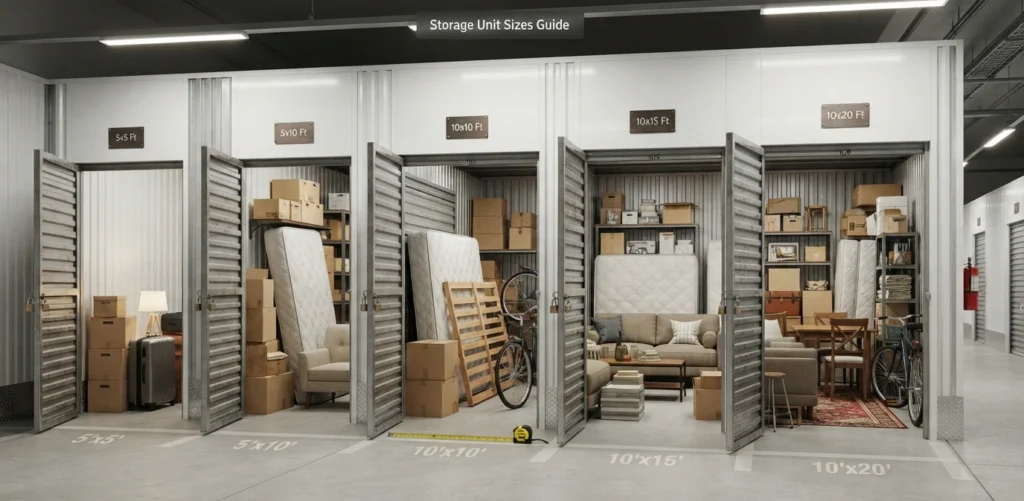
If you are unsure which unit size fits your inventory, our team can help you pack a storage unit near Bethlehem with the right size from the start. Choosing correctly the first time avoids paying for wasted square footage every month.
Organize Storage Unit Space by Category, Not Randomly
Group items by type instead of by the room they came from. This makes it much easier to locate things later.
Group your belongings into these categories:
- Seasonal items (holiday décor, winter coats)
- Furniture and large appliances
- Documents and fragile items
- Tools and equipment
Fragile boxes should always sit on top of sturdy ones, never underneath heavy furniture. Documents need a dry, elevated spot away from the unit floor.
Use Vertical Space With Shelving Units
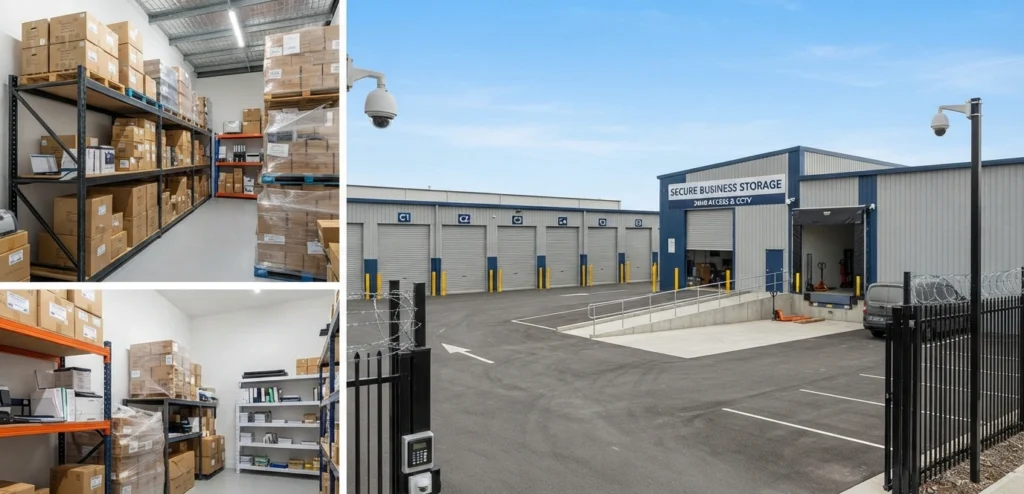
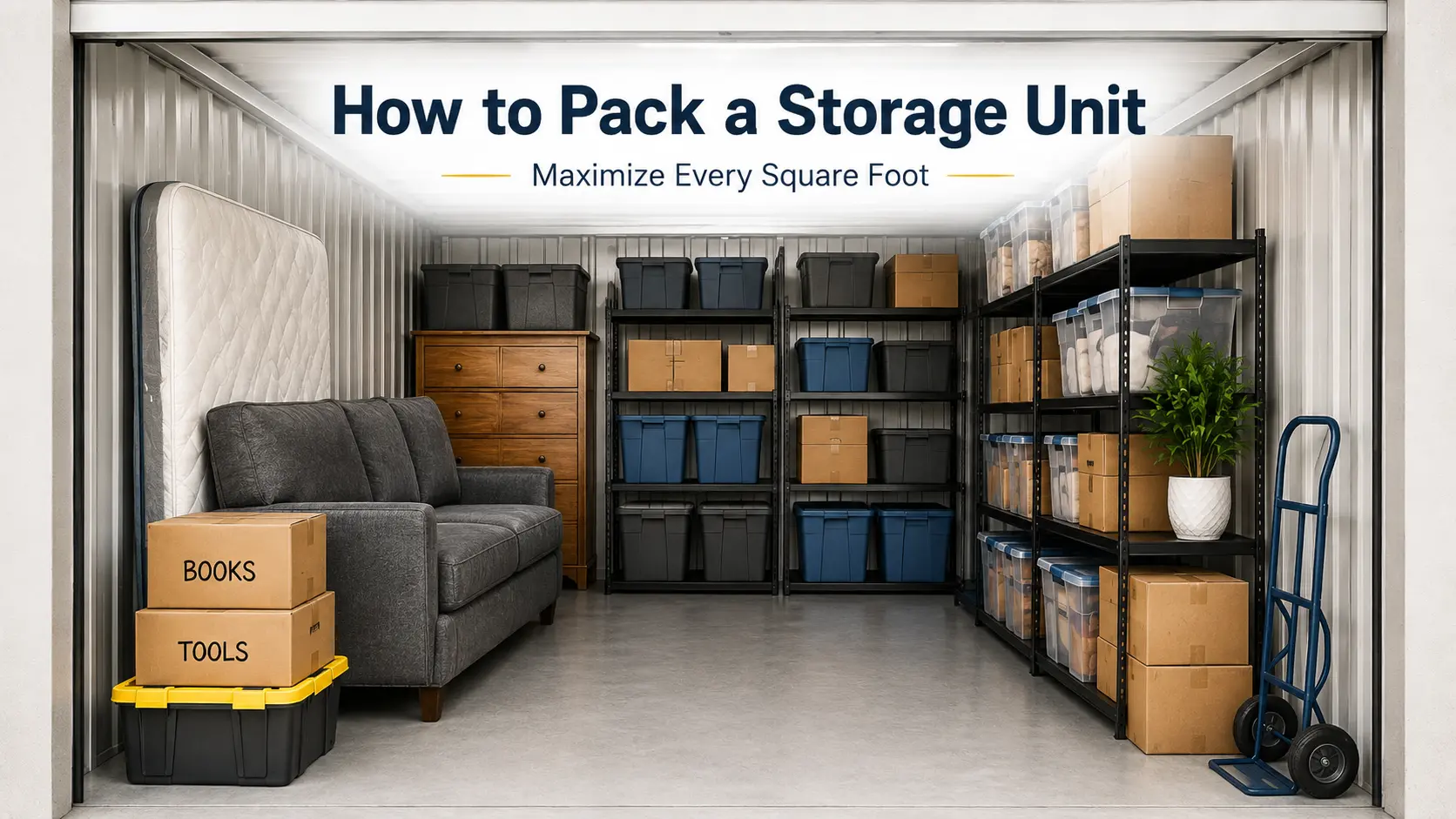
Floor space is limited, but most storage units have 8 to 10 feet of ceiling height that goes unused. Adding metal shelving lets you stack items safely up to the ceiling without crushing lower boxes.
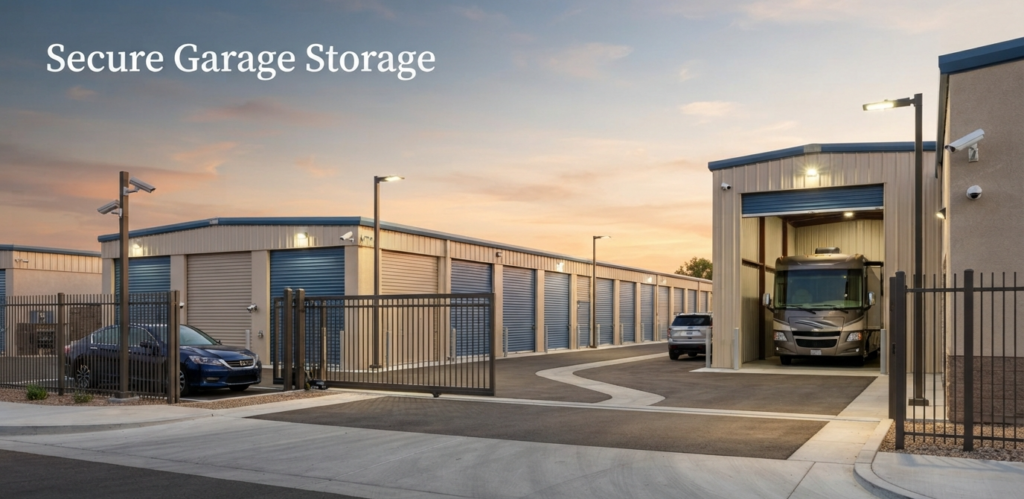
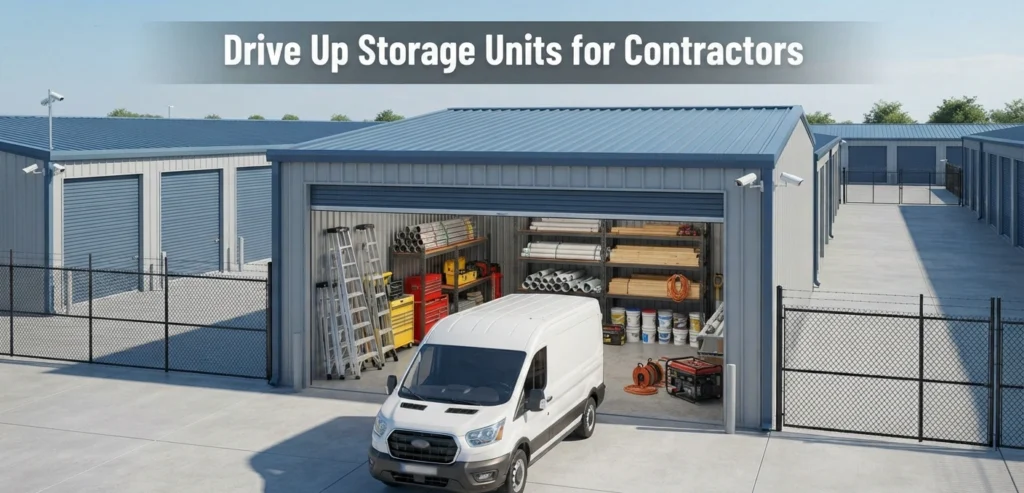
Drive up units make this even easier since you can load shelving straight from your vehicle without carrying items down long hallways. Many renters prefer drive up self storage units over classic indoor units for this exact reason.
Stacking Boxes in Storage Unit the Safe Way
Heavier boxes always go on the bottom, lighter ones on top. This single rule prevents most crushing damage inside a storage unit.
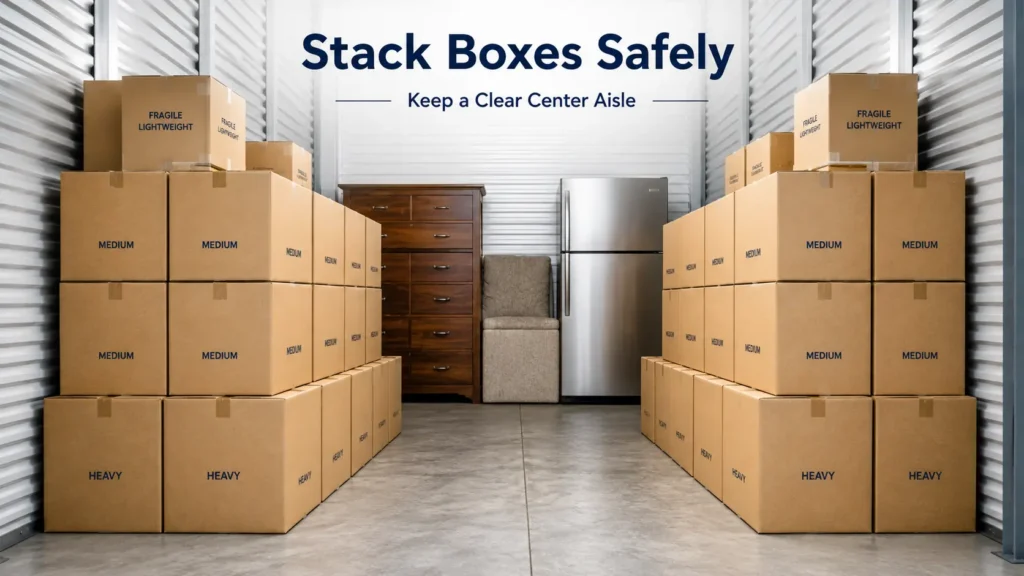
Follow this stacking order:
- Large furniture and appliances against the back wall
- Heavy boxes (books, tools) on the floor level
- Medium boxes stacked two to three high
- Lightweight or fragile boxes on the very top
Use boxes of the same size when stacking. Mixed sizes create wobbly towers that can topple and damage your belongings or block your walking path.
Leave a Center Aisle
Always keep a narrow path down the middle of your unit. This lets you reach back items without unloading the entire unit each visit.
A center aisle also protects your knees and back since you will not need to climb over furniture to grab a single box.
What Should You Put in a Storage Unit First?
Place your largest and heaviest furniture pieces first, against the back wall. Couches, mattresses, and dressers should go in standing on end when possible to save floor space, since flat storage wastes cubic footage you could use for boxes.
How Much Does Poor Packing Cost You Monthly?
Poor packing often forces renters into a bigger unit than they actually need. Understanding the average monthly cost of self storage shows how much you could save by packing smart and renting a smaller size.
Protect Furniture and Appliances Properly
Wrap wood furniture in moving blankets to prevent scratches during the loading process. Cover mattresses with plastic covers to keep them clean and dust free.
Appliance prep checklist:
- Empty and dry refrigerators completely before storage
- Leave appliance doors slightly open to prevent odor buildup
- Wrap cords and tape them to the appliance body
- Place a moisture absorber packet inside closed spaces
Skipping these steps is one of the most common mistakes local renters make, according to feedback from our dhighwaystorage.com storage team across the Lehigh Valley region.
Label Every Box Clearly
Use a permanent marker and label boxes on the side, not the top, since labels on top disappear once boxes get stacked. Write a short description plus the room name on each box for fast identification.
Labeling tips that actually help:
- Number your boxes and keep a written inventory list
- Color code by category using colored tape
- Mark fragile boxes on all four sides, not just one
A clear labeling system turns a chaotic unit into one you can navigate in minutes, even months later.
FAQs
How do I pack a storage unit to save the most space?
Stack items floor to ceiling using shelving, group boxes by category, and place heavy items on the bottom with lighter ones on top. Leaving zero wasted air gaps between boxes is the biggest space saver.
Can I stack furniture on top of boxes in a storage unit?
No, furniture should never sit on top of boxes since the weight can crush contents and cause structural damage. Always place large furniture directly on the unit floor against a wall.
Do I need a center aisle in a small storage unit?
Yes, even small units need a narrow walking path so you can access items without unloading everything each time. Skipping this step is the top reason renters struggle with small unit organization.
What size unit do I need for a two bedroom apartment?
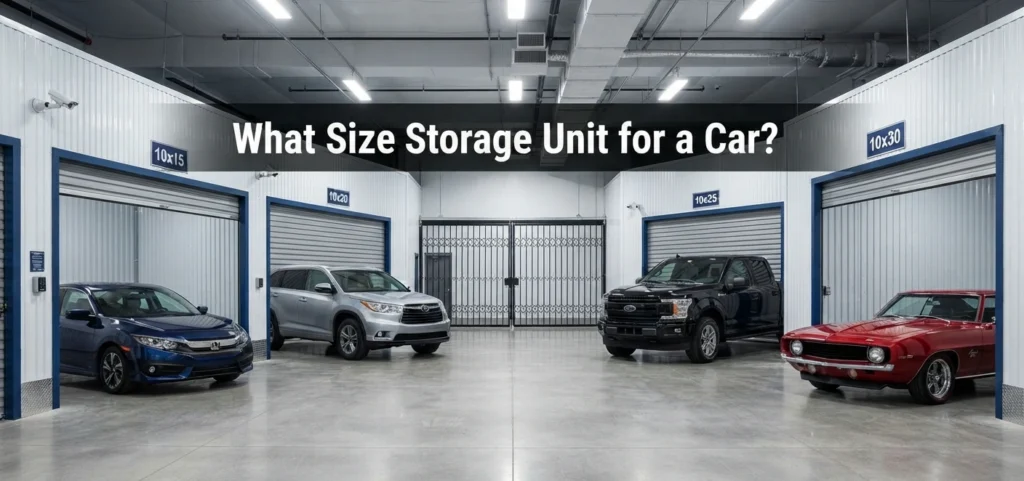
Most two bedroom apartments fit into a 10×15 unit when packed using vertical shelving and proper stacking methods. Talk to a storage specialist to confirm based on your exact furniture list.
Conclusion
Packing a storage unit correctly comes down to planning your layout before you load a single item. Zone your space, group by category, and always place heavy items low and light items high to avoid damage. Vertical shelving and a clear center aisle turn a cramped unit into an organized system you can actually use. These small changes are what separate renters who struggle every visit from renters who find any item in seconds.
Take the time to measure your space and sort your belongings before moving day arrives. A little planning up front means you will never overpay for a bigger unit than you actually need. Local renters who follow this system report better protection for fragile items and far less frustration overall. Getting the right size and layout from day one is the smartest way to pack a storage unit and keep your budget under control.