Is Climate Controlled Storage Necessary for My Vehicle Today?
Climate Controlled Storage Necessary for My Vehicle is the exact question most Farmington vehicle owners type into Google before winter hits or summer heat peaks. Yes, climate controlled storage is necessary for most vehicles because temperature swings, humidity, and moisture buildup cause real mechanical and cosmetic damage over time.
Classic cars, motorcycles, RVs, and even daily drivers left idle for weeks face battery drain, rubber cracking, and rust formation without proper environmental control. This guide breaks down exactly when you need it, what it costs, and how local Farmington conditions affect your storage decision.
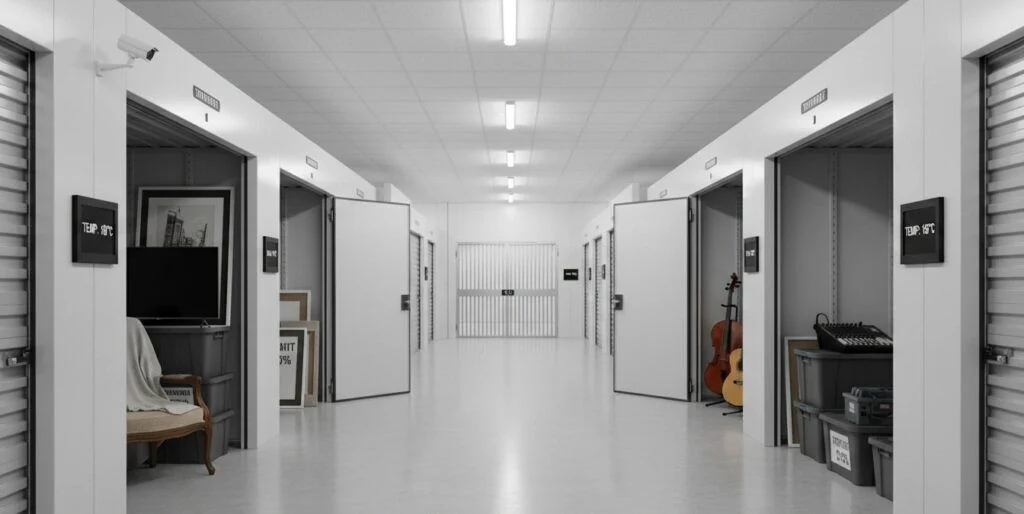
Ordinary garages and standard storage units cannot regulate humidity or block sudden temperature drops the way a controlled unit can. Farmington sits in a region where summer humidity and winter freeze cycles both hit hard, which puts uncovered vehicles at higher risk. Owners of convertibles, vintage cars, and seasonal vehicles like boats or motorcycles face the steepest risk of paint fading, seal cracking, and interior mold. The sections below cover every factor you need before choosing a unit.
Standard vs Climate Controlled Vehicle Storage
| Factor | Standard Storage Unit | Climate Controlled Storage |
| Temperature range | Follows outdoor swings | Held between 55°F and 80°F |
| Humidity control | None | Actively regulated |
| Rust and corrosion risk | High | Low |
| Battery drain in winter | Common | Rare |
| Interior mold or mildew risk | Higher, especially in summer | Minimal |
| Best suited for | Short term, non sensitive items | Vehicles, electronics, wood furniture |
| Average monthly cost | Lower | Moderately higher |
Why Vehicles Suffer Without Temperature Control
Metal expands and contracts as temperatures shift, and that constant movement stresses seals, gaskets, and paint bonds. A vehicle parked in an uncontrolled unit through a full Farmington winter and summer cycle absorbs that stress twice a year.
Rubber components age faster in extreme heat. Tires, hoses, and weatherstripping become brittle and crack within a season or two if humidity and heat are not managed.
Batteries lose charge faster in freezing conditions. Owners who store vehicles through winter often return to a dead battery, corroded terminals, or a car that simply will not start.
Vehicle Storage Humidity Control Matters More Than Temperature Alone
Humidity is often the bigger threat, not just heat or cold. Moisture trapped inside a closed unit settles into upholstery, carpet padding, and metal panels.
High humidity leads to three common problems:
- Mold growth on seats and headliners
- Rust starting on the undercarriage and wheel wells
- Fogged or cracked interior electronics
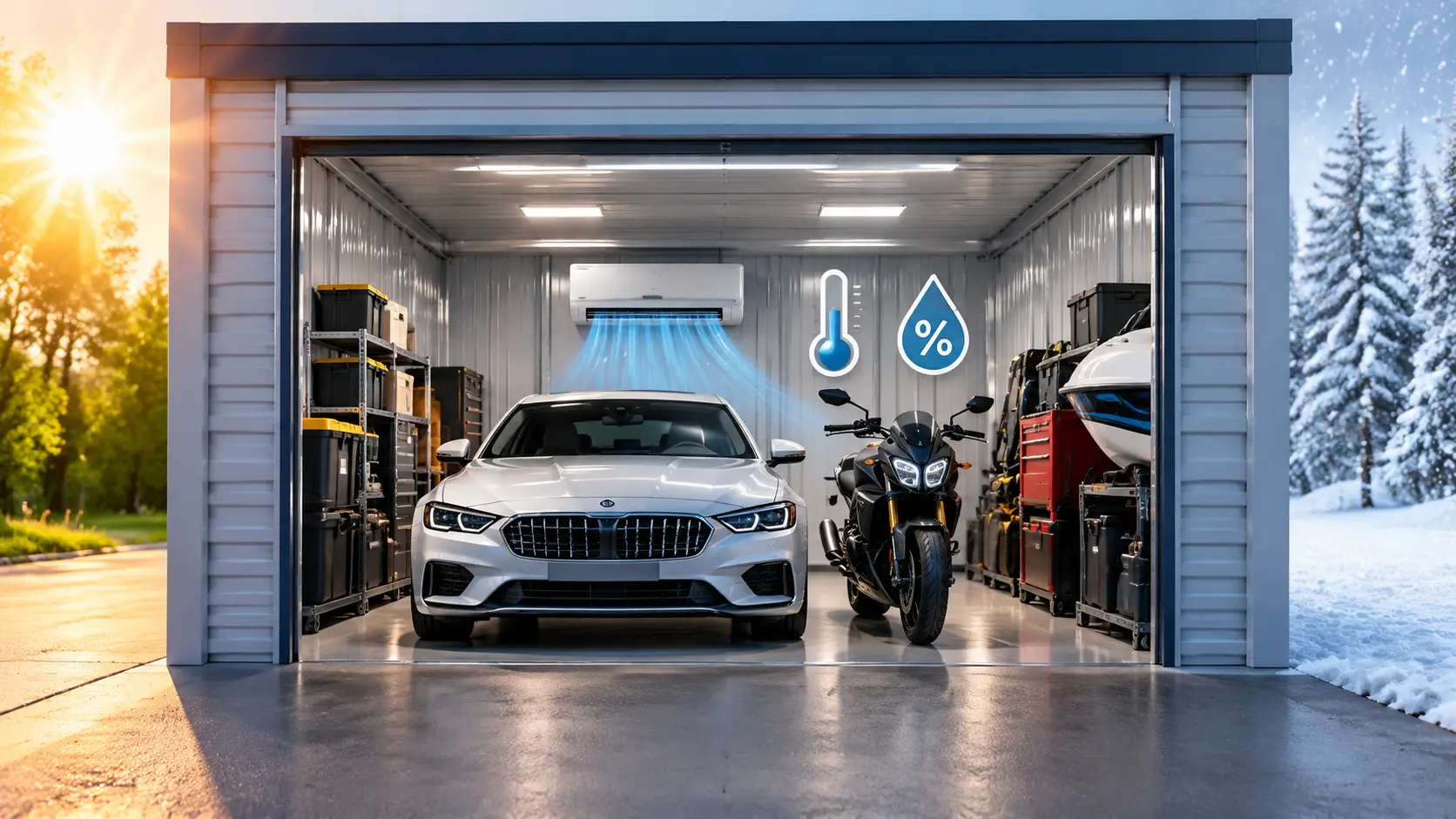
A properly controlled unit keeps relative humidity in a stable range, usually between 30 and 50 percent, which prevents all three issues before they start.
Seasonal Vehicle Storage in Farmington Weather Patterns
Farmington experiences hot, sticky summers and cold winters with freeze thaw cycles. That combination is exactly what accelerates vehicle deterioration in an unprotected space.
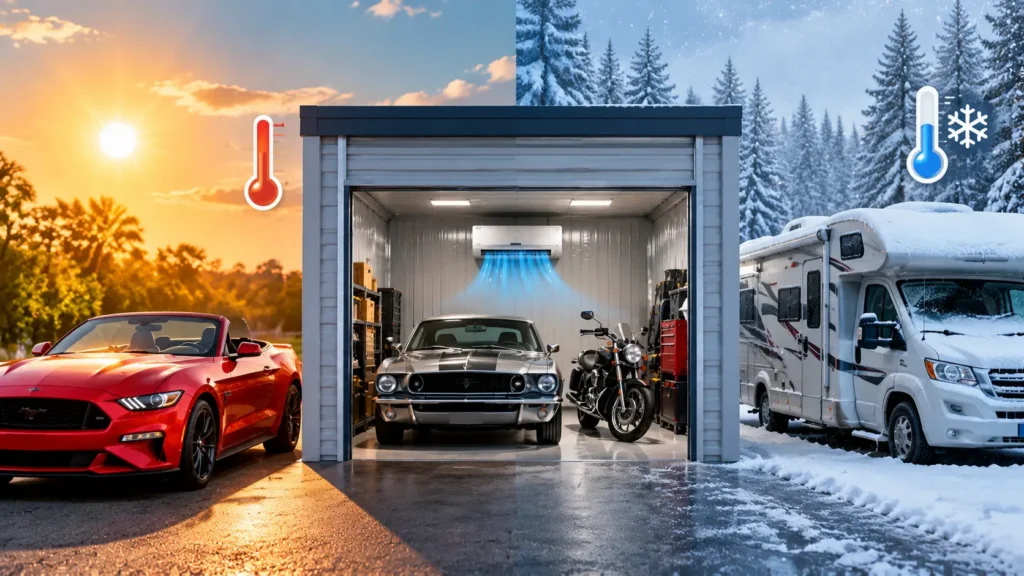
Owners storing convertibles, motorcycles, or classic cars for the off season benefit the most from regional climate protection. A car parked from October through March without heat regulation can develop condensation damage even if it never leaves the unit.
If you’re deciding between a short term rental and a longer seasonal commitment, it helps to understand how pricing structures work first, and our breakdown of the average monthly cost of self storage walks through what affects your final rate.
Indoor Vehicle Storage Units vs Outdoor Parking
Outdoor parking exposes vehicles directly to sun, rain, snow, and wind. Paint fades, trim warps, and undercarriage rust accelerates within a single harsh season.
Indoor units, especially temperature regulated ones, remove that direct exposure entirely. Your vehicle sits shielded from UV rays, precipitation, and the daily temperature swings that outdoor spots cannot avoid.
Classic Car Storage Climate Control Requirements
Classic and collector vehicles need tighter environmental control than daily drivers. Original paint, chrome trim, and vintage upholstery degrade faster under humidity and heat stress.
Enthusiasts storing a classic through winter should confirm the facility maintains consistent temperature, not just seasonal adjustment. A unit that only cools in summer but skips heating in winter still leaves your car exposed to freeze damage.
Motorcycle and RV Storage Considerations
Motorcycles and RVs carry electronics, fuel systems, and rubber seals that react badly to humidity swings. Fuel can degrade, batteries drain, and seals dry out faster than most owners expect.
A controlled unit slows all of these processes down significantly, extending the time between required maintenance checks.
When Standard Storage Is Actually Fine
Not every vehicle needs premium environmental control. A daily driver stored for just a week or two during travel usually does not face enough exposure time for real damage.
If you only need short term coverage, our guide on whether you can you rent a storage unit for a week explains flexible rental terms that fit brief storage needs without paying for features you don’t need yet.
Protecting More Than Just the Vehicle
If you’re storing a vehicle alongside electronics, tools, or entertainment systems inside it, humidity control protects those items too. Circuit boards and wiring are especially sensitive to moisture exposure over time.
For a full breakdown of protecting sensitive gear, our guide on how to store electronics in a storage unit without damage covers practical steps that apply directly to vehicles with built in tech.
Choosing the Right Facility in Farmington
Not every facility labeled climate controlled actually maintains consistent standards. Ask specific questions before signing a lease.
Checklist before booking a unit:
- Confirmed temperature range, not just “climate controlled” in marketing
- Humidity monitoring, not just air conditioning
- Drive up or ground level access for vehicles
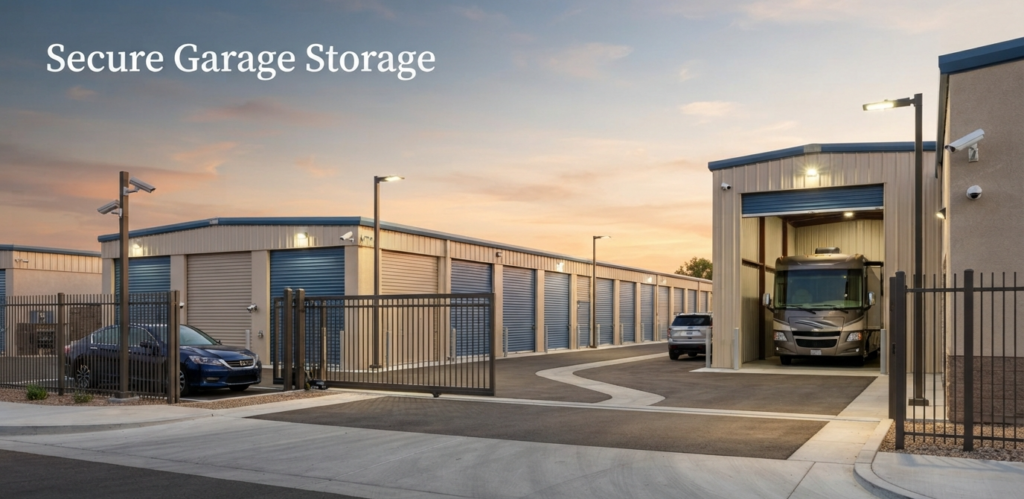
- Security cameras and gated entry
- Pest control measures in place
Farmington drivers researching local options can review our dedicated page covering Climate Controlled Storage Necessary for My Vehicle in Farmington and surrounding areas for facility specifics, unit sizes, and current pricing.
You can also start from our Dhighway Storage homepage to compare all available unit types across locations before making a final decision.
FAQs
Is climate controlled storage worth the extra cost for a car?
Yes, For vehicles stored longer than one season, the added cost typically prevents far more expensive repairs like rust removal, battery replacement, or interior mold remediation.
Can regular storage units damage my car’s paint?
Yes, uncontrolled humidity and temperature swings cause paint to fade, crack, or peel over extended storage periods, especially on older vehicles with original factory paint.
How cold does a climate controlled unit stay in winter?
Most facilities hold temperatures between 55°F and 80°F year round. This range prevents freezing while avoiding excessive heat that could damage seals or fluids.
Does climate control stop rust from forming?
Rust needs moisture to form, so units that manage humidity below 50 percent significantly slow or stop new rust development on stored vehicles.
Conclusion
Vehicle owners in Farmington face real seasonal risks that make Climate Controlled Storage Necessary for My Vehicle decisions worth taking seriously before damage happens. Rust, battery drain, mold, and paint fading all accelerate in uncontrolled environments, especially across a full winter and summer cycle. Classic cars, motorcycles, and RVs carry the highest risk due to sensitive materials and long term storage patterns. Choosing a facility with verified humidity and temperature control protects your investment far better than standard parking.
Short term storage for a week or two rarely requires the same level of protection as a full season commitment. Ask facilities direct questions about temperature range and humidity monitoring before signing any lease. Compare pricing, access hours, and security features across a few local options before deciding. A little research now saves thousands in potential repair costs later.